
 Mila Ross
Social media has transformed the way we connect, flirt, and form relationships, reshaping modern dating in ways we’re only beginning to fully understand. With endless profiles, curated photos, and constant access to attention, the digital world has subtly shifted what we expect from romantic partners.
While it may seem like having more options would raise our standards, the opposite often happens. The constant comparison, validation loops, and fear of missing out can slowly erode our boundaries and distort our perception of what healthy love looks like. Over time, we may start accepting less effort, less depth, and less respect—without even realizing it. Here are nine ways social media might be quietly lowering your dating standards.
1. You Judge People by Their Profile Pictures in Seconds
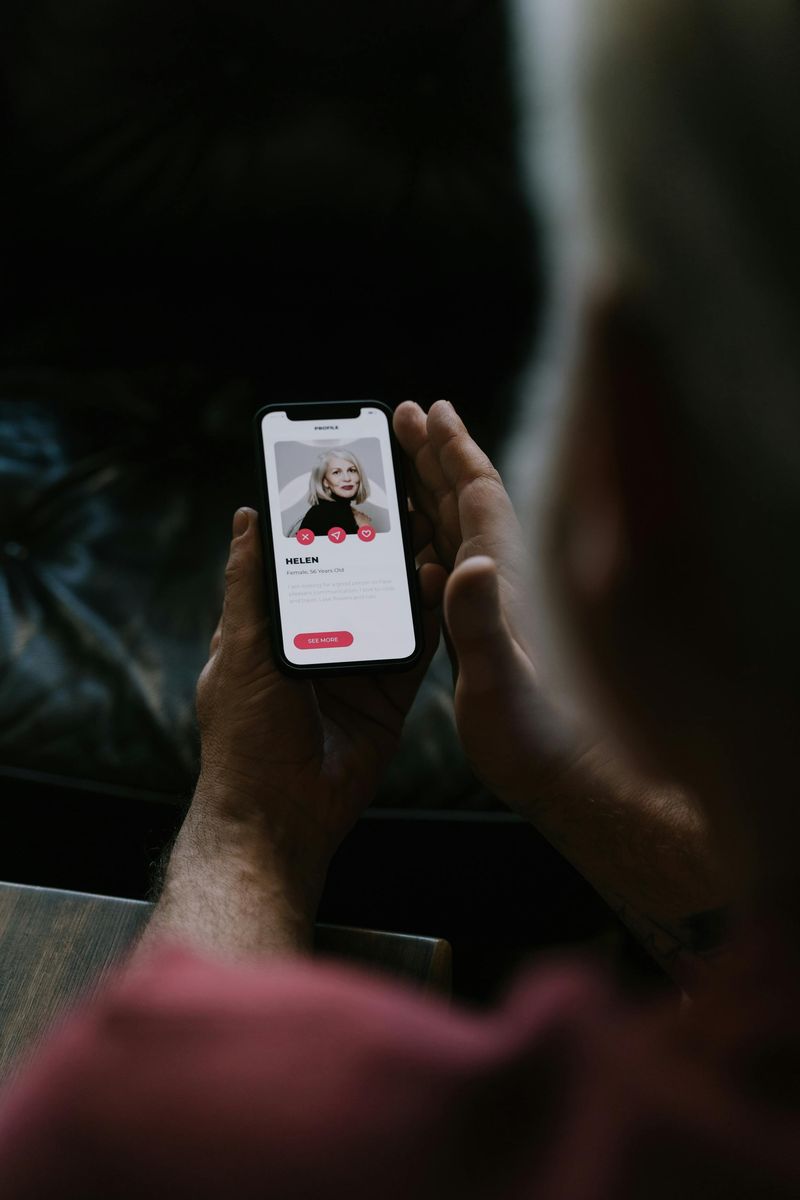
Swiping left or right based on a single photo has become second nature.
We make snap judgments about someone’s entire personality, values, and compatibility in less time than it takes to sneeze.
This surface-level evaluation means we might pass over amazing people who just aren’t photogenic or don’t know their best angles.
Real attraction develops over time through conversation, shared experiences, and getting to know someone’s quirks.
When we reduce people to their most flattering selfie, we miss out on chemistry that builds gradually.
Someone’s laugh, the way they tell stories, or their kindness to strangers can’t shine through a filtered photo.
2. Filters Make You Expect Unrealistic Appearances
Beauty filters have gotten so convincing that many people don’t even look like their online photos in person.
We’ve gotten used to seeing flawless skin, bigger eyes, and perfectly symmetrical faces that simply don’t exist in reality.
This constant exposure to enhanced images warps our expectations of what normal people actually look like.
Meeting someone face-to-face after only seeing their filtered photos can feel disappointing, even when they’re perfectly attractive.
The problem isn’t their appearance—it’s that we’ve been trained to expect digital perfection.
Real humans have pores, asymmetrical features, and bad hair days, and that’s completely normal and beautiful.
3. You Prioritize Follower Counts Over Character
Someone with thousands of followers suddenly seems more attractive, even if you know nothing else about them.
Social media has turned popularity into a currency that we unconsciously value when choosing romantic partners.
High follower counts create an illusion of social proof that this person must be worth dating.
But follower numbers reveal nothing about kindness, loyalty, sense of humor, or compatibility.
Someone might have a massive following but treat people terribly in real life.
Meanwhile, genuinely wonderful people with small social circles get overlooked because they don’t have impressive metrics to display.
We’re choosing partners like we’re investing in stocks rather than connecting with actual humans.
4. Constant Comparisons Make Everyone Seem Replaceable
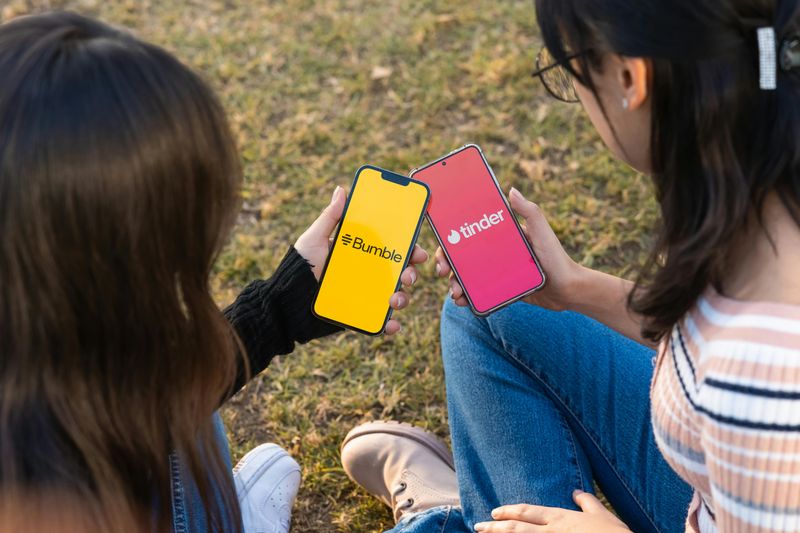
Dating apps present an endless buffet of potential partners, creating the illusion that someone better is always just one swipe away.
This abundance makes it harder to commit or work through minor issues because we’re constantly wondering if we’re settling.
Every small disagreement becomes a reason to keep searching rather than building something real.
Previous generations often chose from a limited pool of people they met through school, work, or friends.
While that had its own problems, it encouraged people to invest in relationships and discover compatibility over time.
Now we treat potential partners like items we can return if they’re not immediately perfect, never giving connections time to deepen.
5. You Value Online Persona Over Real-Life Compatibility
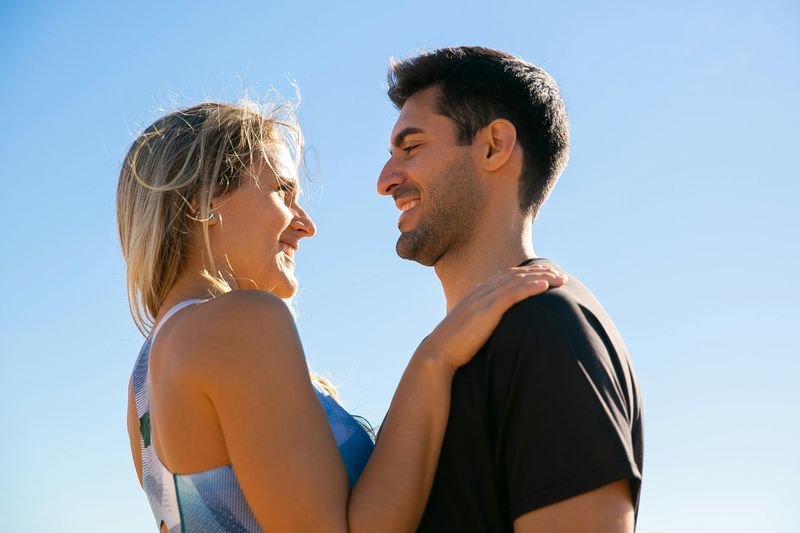
Someone’s carefully curated Instagram feed shows exotic vacations, perfect brunch spots, and an exciting lifestyle that may not reflect their actual day-to-day existence.
We fall for the highlight reel instead of getting to know the real person behind the posts.
Their online personality seems adventurous and fun, but in person they might be completely different.
Real compatibility comes from shared values, communication styles, and how you handle boring Tuesdays together—not matching aesthetics on social media.
You might have zero chemistry with someone whose feed you love, or amazing connection with someone who barely posts.
The problem is we’re screening potential partners based on their content creation skills rather than relationship potential.
6. Instant Gratification Kills Your Patience for Slow-Building Romance
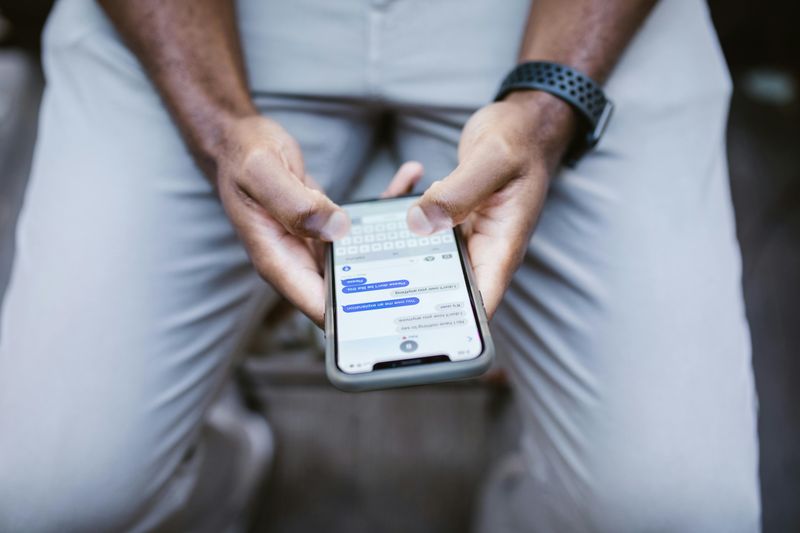
Social media trains us to expect immediate responses, instant likes, and constant validation.
This mindset spills over into dating, where we lose interest if someone doesn’t text back within minutes or if the relationship doesn’t feel exciting immediately.
Slow burns and friendships that gradually turn romantic seem boring compared to instant sparks.
Meaningful relationships often start quietly and build over weeks or months of getting to know each other.
But we’ve lost patience for that natural progression because we’re used to everything happening instantly online.
If there aren’t fireworks on the first date, we assume there’s no potential and move on to the next match, never discovering what could have developed.
7. You Accept Poor Communication Because Everyone Does It
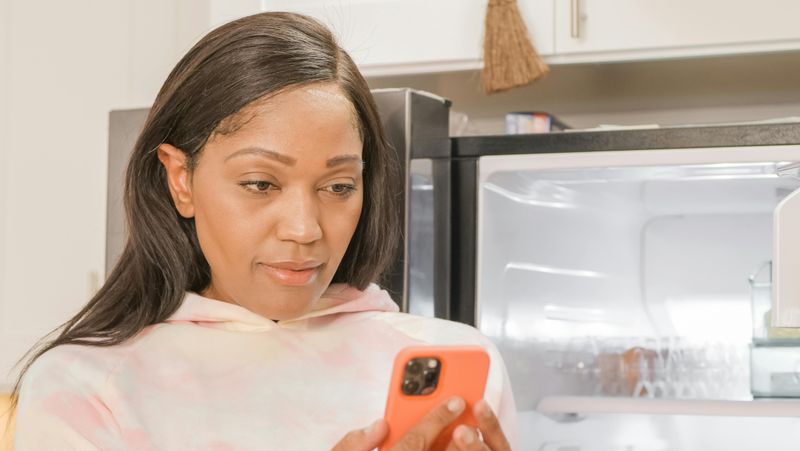
Ghosting, breadcrumbing, and leaving people on read have become so normalized that we barely protest anymore.
Because everyone communicates poorly on social media and dating apps, we’ve lowered our standards for basic respect and courtesy.
We accept behavior that would have seemed incredibly rude just ten years ago.
Someone who takes days to respond, sends only one-word answers, or disappears without explanation isn’t treating you well, even if it’s common.
We deserve partners who communicate clearly, follow through on plans, and have the courage to be honest about their feelings.
Just because bad communication is widespread doesn’t mean you should accept it as normal in your relationships.
8. Relationship Goals Posts Create Impossible Standards
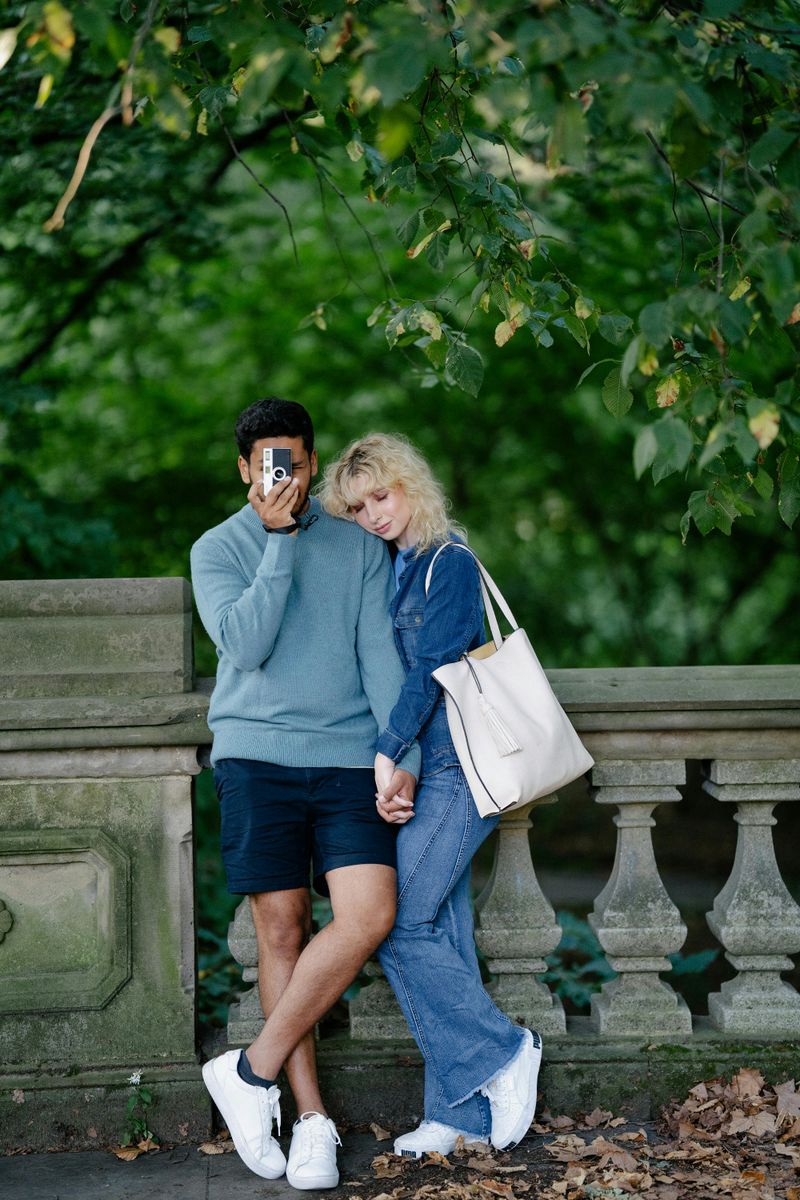
Scrolling through perfectly staged couple photos and romantic grand gestures sets unrealistic expectations for your own relationship.
Those posts show carefully selected moments, not the arguments, boring evenings, or normal life that happens between photoshoots.
We start feeling dissatisfied because our partner doesn’t plan elaborate surprises or because our relationship feels ordinary in comparison.
Real love is mostly made of small, unglamorous moments—doing dishes together, comfortable silence, and supporting each other through stress.
The healthiest relationships often don’t make good content because they’re built on trust and daily kindness rather than performative romance.
When we measure our relationships against social media highlights, we miss appreciating what we actually have.
9. You Overlook Red Flags If Someone Looks Good Online
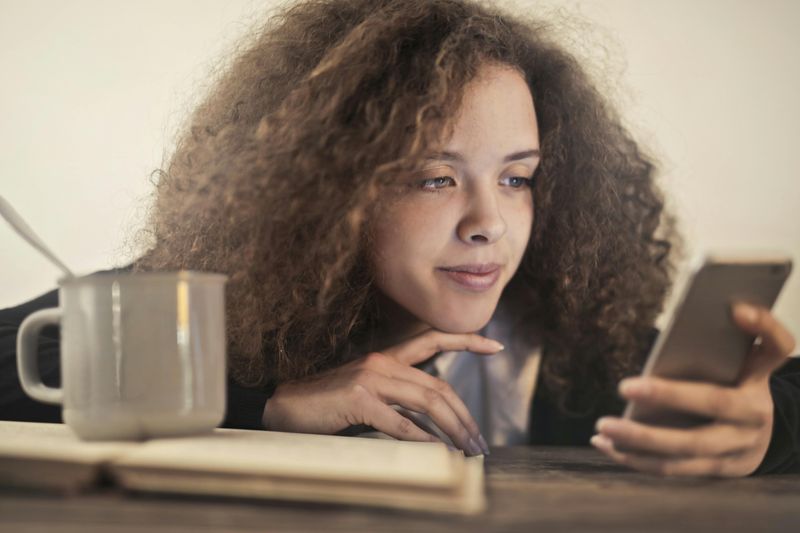
An attractive profile with great photos and witty captions can make us ignore obvious warning signs that would normally send us running.
We excuse disrespectful behavior, inconsistency, or incompatibility because we’re drawn to their online presence.
Their aesthetic appeal blinds us to the reality that they’re not treating us well or that the relationship isn’t healthy.
Physical attraction matters, but it shouldn’t override your judgment about someone’s character or how they make you feel.
If someone is rude to waiters, constantly cancels plans, or makes you feel bad about yourself, their good looks and popular social media don’t change those facts.
We need to trust our instincts about people’s behavior rather than letting their curated image override our better judgment.
Comments
Loading…