
 Isabel Parker
Social media has transformed the way we see and evaluate each other. Platforms like Instagram, Facebook, and TikTok give us constant glimpses into the lives of friends, family, and even strangers.
This endless stream of curated content has fundamentally shifted how we form opinions and make judgments about people we know and those we have never met.
1. We Judge Based on Highlight Reels
Most people only post their best moments online, creating a distorted view of reality.
You see vacation photos, celebration posts, and perfect selfies, but rarely the boring or difficult moments.
When you compare your everyday life to someone else’s carefully selected highlights, it creates an unfair standard.
Your brain starts believing that everyone else has a better, more exciting life than you do.
This constant comparison can make you feel inadequate or jealous.
Remember that what you see online is just a tiny, polished slice of someone’s actual existence, not the complete picture.
2. Profile Pictures Shape First Impressions
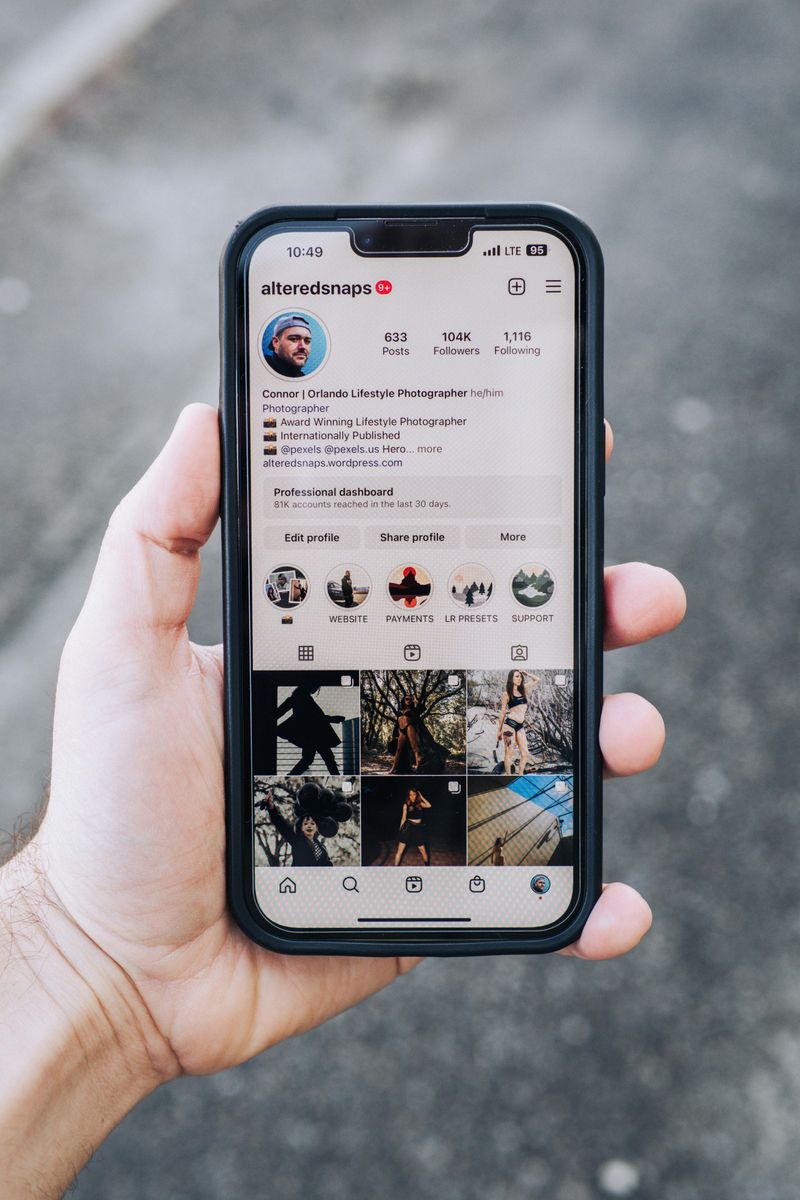
Before meeting someone new, many people look them up online first.
That profile picture becomes the foundation of your initial opinion about them.
A professional headshot might make someone seem serious and trustworthy, while a party photo could suggest they are fun-loving or immature.
Studies show that people form judgments within seconds of seeing a photo.
The lighting, angle, and even the colors in a profile picture influence how others perceive personality traits.
Unfortunately, a single image rarely captures the complexity of a real person, yet it carries enormous weight in shaping opinions before any actual interaction occurs.
3. Follower Counts Became Status Symbols
Having thousands of followers on social media is now seen as a measure of popularity and importance.
People with large followings are often viewed as more influential, successful, or interesting than those with smaller audiences.
This creates a strange new hierarchy based entirely on digital numbers.
Teenagers especially feel pressure to gain followers to boost their social standing.
Some even buy fake followers to appear more popular than they actually are.
The truth is that follower counts reveal nothing about someone’s character, kindness, or real-world relationships, yet society increasingly uses these metrics to judge worth and credibility.
4. Political Posts Define Relationships
Sharing opinions about politics and social issues online has become extremely common.
When someone posts their views, others immediately categorize them based on those beliefs.
Friendships have ended and family relationships have become strained because of disagreements that surface on social platforms.
In the past, you might not have known your neighbor’s political stance unless you had a direct conversation.
Now, bold statements and shared articles make everyone’s positions crystal clear.
People often judge others harshly for their political content, sometimes ending relationships without ever discussing the issues face-to-face or understanding the reasoning behind different viewpoints.
5. Posting Frequency Signals Personality Traits
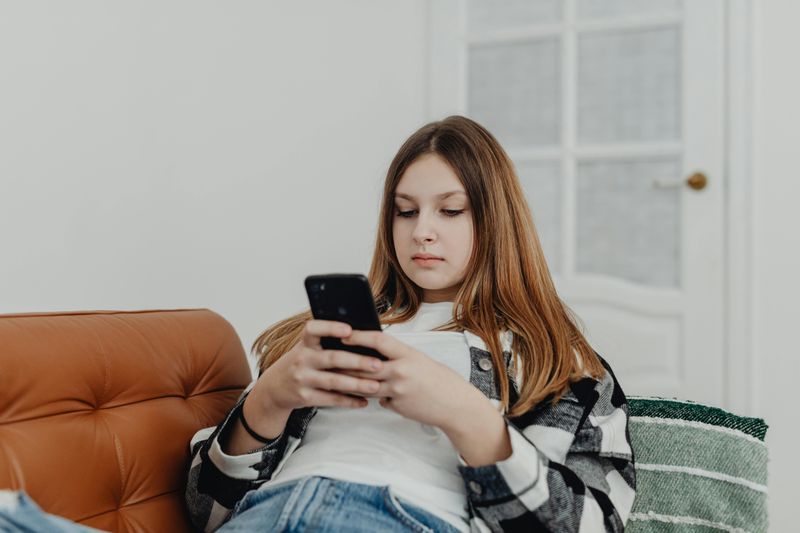
How often someone posts on social media has become a way to judge their personality.
Frequent posters might be labeled as attention-seeking or insecure, while people who rarely post could be seen as mysterious, private, or even unfriendly.
Neither assumption is necessarily accurate.
Some folks genuinely enjoy sharing their daily experiences, while others prefer to keep their lives private.
The frequency of posting says more about someone’s comfort level with social media than their actual character.
Yet people draw conclusions anyway, deciding whether someone is self-absorbed, boring, or interesting based solely on how often they update their status or share photos online.
6. Lifestyle Choices Become Public Business
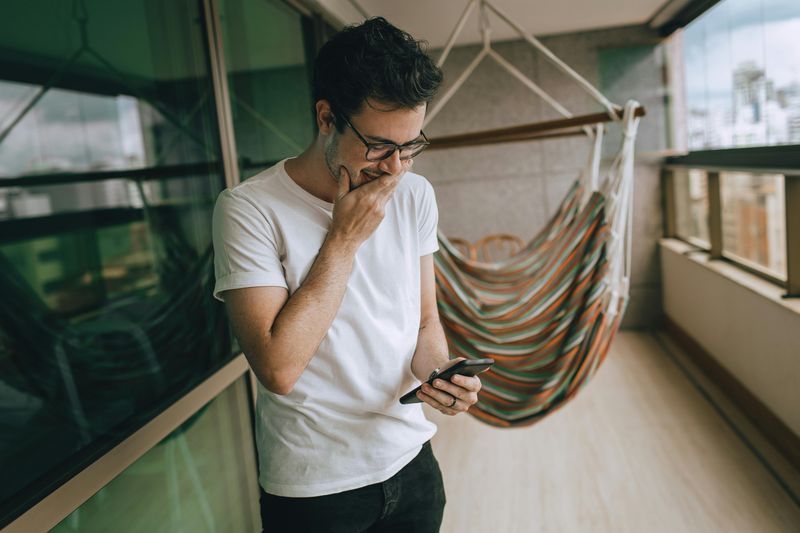
Social media makes personal choices visible to everyone in your network.
What you eat, how you exercise, where you travel, and how you spend money all become subjects for others to evaluate.
A photo of a fancy meal might lead some to think you are wasteful, while workout posts could make you seem obsessed with fitness.
Did you know?
Research shows that people judge others more harshly for lifestyle choices posted online than for the same choices observed in person.
The permanence and public nature of social media posts invite scrutiny that casual, real-life observations typically do not attract.
7. Online Silence Gets Interpreted
When major events happen, people expect others to post about them on social media.
If you stay silent during an important social or political moment, others might assume you do not care or that you hold opposing views.
This pressure to publicly comment on every issue has become overwhelming for many users.
Not posting about something does not necessarily mean indifference.
Someone might be processing information privately, taking action offline, or simply choosing not to share every opinion publicly.
However, social media has created an expectation of constant public engagement, and silence is now viewed as a statement in itself, often leading to unfair judgments about someone’s values or awareness.
8. Relationship Status Updates Matter
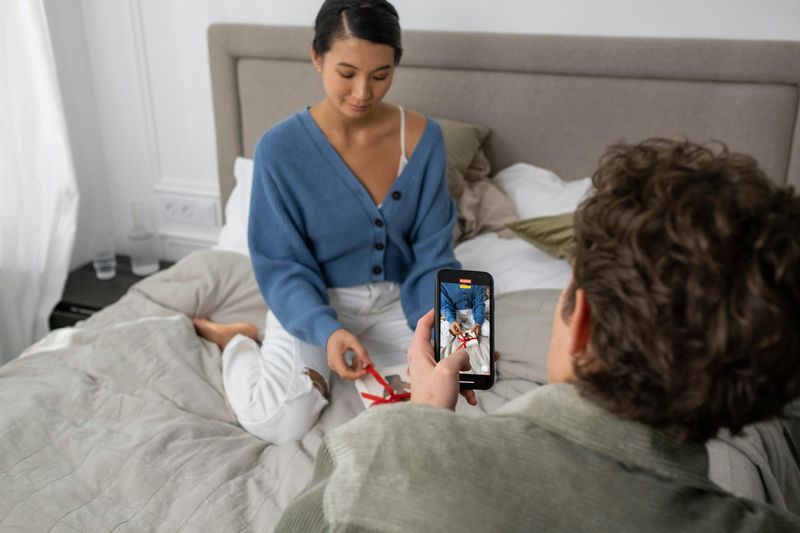
Changing your relationship status on Facebook or posting couple photos on Instagram sends signals that everyone analyzes.
When someone suddenly removes couple pictures or changes their status to single, friends and acquaintances immediately form opinions about what happened.
Even staying in a relationship but never posting about your partner invites speculation.
People judge whether relationships seem healthy, genuine, or attention-seeking based on social media behavior.
Couples who post too much might be seen as insecure, while those who post nothing could be hiding problems.
The reality is that social media activity reveals very little about the actual quality of a relationship, yet it has become a primary way people assess others’ romantic lives.
Comments
Loading…