
 Jade Reed
Staying in a relationship that causes pain might seem confusing to people on the outside looking in. Why would someone choose to remain in a situation that makes them unhappy or even hurts them?
The truth is, leaving an unhealthy relationship is much harder than it sounds, and there are many complicated reasons why couples stay together despite the problems.
1. Fear of Being Alone

Being by yourself can feel terrifying, especially if you’ve been with someone for a long time.
Many people worry they won’t find anyone else or that life will be empty without their partner.
This fear becomes so strong that staying in a bad situation feels safer than facing the unknown.
Your brain starts convincing you that something is better than nothing, even when that something is harmful.
The comfort of familiarity, even if it’s uncomfortable, can seem less scary than starting over alone.
Building confidence in your ability to be independent takes time and courage that not everyone feels ready to find.
2. Financial Dependence

Money matters create invisible chains that keep people trapped in toxic partnerships.
When one person pays most of the bills or controls the bank accounts, leaving becomes a financial nightmare.
Rent, groceries, transportation, and basic needs all cost money that might not be available.
Shared apartments, joint credit cards, and combined expenses make separating incredibly complicated.
Some individuals have given up their careers or education to support their partner’s dreams, making them financially vulnerable.
Without savings or a steady income, the thought of managing expenses alone feels impossible, so they choose to stay despite their unhappiness.
3. Hope That Things Will Change

Optimism can be both a blessing and a curse when you’re stuck in a damaging relationship.
Partners often remember the good times from the beginning and believe those days will return if they just wait a little longer.
Every small improvement or kind gesture feeds this hope, making them think real change is finally happening.
Unfortunately, temporary improvements usually don’t last, and the cycle repeats itself.
People invest so much time and energy that giving up feels like admitting failure.
They tell themselves that next month, next year, or after this stressful period ends, everything will get better and go back to normal.
4. Low Self-Esteem

Constant criticism and negativity slowly chip away at how you see yourself.
After hearing you’re not good enough, smart enough, or attractive enough, you start believing those lies.
Your confidence disappears, and you begin thinking you don’t deserve better treatment or a healthier relationship.
This damaged self-image makes you feel grateful that anyone wants to be with you at all.
You might even blame yourself for the problems, thinking if you were different, your partner would treat you better.
Breaking free requires recognizing your worth, which becomes nearly impossible when someone has spent years tearing you down emotionally.
5. Children and Family Pressure

Kids change everything when you’re considering whether to leave a troubled relationship.
Parents often sacrifice their own happiness because they want to keep the family together for their children’s sake.
They worry about custody battles, splitting time between two homes, and how divorce might affect their kids emotionally.
Extended family members sometimes add pressure by saying you should work things out no matter what.
Cultural or religious beliefs might teach that marriage should last forever, making separation feel like a moral failure.
The guilt of potentially hurting innocent children keeps many couples stuck in unhappy situations for years longer than they should be.
6. Embarrassment and Shame

Admitting your relationship is failing feels like announcing a personal defeat to the world.
Social media makes this worse because everyone posts happy couple photos, making you feel like you’re the only one struggling.
Friends and family members have invested in your relationship through weddings, celebrations, and years of memories.
Telling them it didn’t work out brings feelings of humiliation and disappointment.
Some people worry about becoming gossip in their community or having others judge their choices.
Pride prevents them from seeking help or making necessary changes, so they pretend everything is fine while suffering silently behind closed doors.
7. Emotional Manipulation
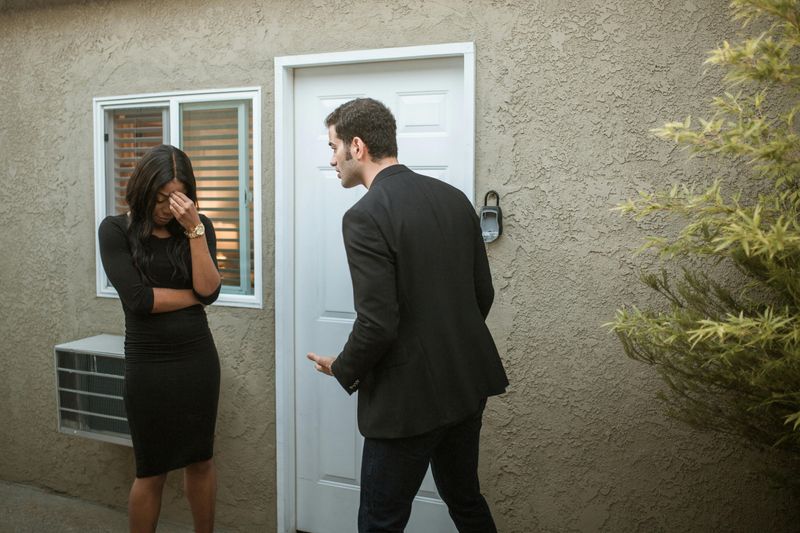
Controlling partners use guilt and threats as weapons to prevent their significant other from leaving.
They might say things like they’ll hurt themselves if you go, or that you’re abandoning them during their hardest time.
These manipulative tactics create confusion and make you feel responsible for their wellbeing and happiness.
Sometimes they alternate between being cruel and being loving, which keeps you off balance and hopeful.
You start doubting your own perceptions and memories, wondering if things are really as bad as they seem.
This psychological control makes it incredibly difficult to trust your judgment and take the necessary steps toward freedom and safety.
8. Fear of Retaliation

Safety concerns keep countless people trapped in dangerous relationships every single day.
When a partner has shown violent behavior or made serious threats, leaving becomes genuinely risky.
Some people fear their partner will track them down, harm them, or hurt people they love as revenge.
Past incidents have proven these aren’t empty threats, making the danger very real.
Without proper protection or resources, staying might seem like the only way to avoid escalating the violence.
This terrifying situation requires careful planning, outside support, and sometimes legal intervention to escape safely, which many victims don’t know how to access or are too afraid to pursue.
Comments
Loading…