
 Hailey Watson
Meeting someone new can feel exciting at first, but then things get quiet. You’ve gone on a few dates, and suddenly the texts slow down or the talks feel awkward.
This happens to almost everyone, and it’s more common than you think. Understanding why conversations fade can help you keep the spark alive and build stronger connections with people you’re interested in getting to know better.
1. Running Out of Surface-Level Topics

Small talk about weather, work, and hobbies only goes so far.
After covering the basics during your first couple of meetings, you might find yourself scrambling for new things to discuss.
Many people exhaust their go-to conversation starters quickly.
Without deeper questions or genuine curiosity, the well runs dry fast.
The solution involves moving beyond surface chatter.
Ask about childhood memories, future dreams, or opinions on interesting topics.
Sharing personal stories and being vulnerable helps conversations flow naturally and creates real connection instead of just filling silence with empty words.
2. Fear of Being Too Personal Too Soon

Worrying about oversharing can make you hold back important parts of yourself.
Nobody wants to seem too intense or scare someone away by revealing too much.
This fear creates a protective wall that keeps conversations shallow.
You stick to safe topics and avoid anything meaningful, which ironically makes things boring.
Finding the right balance takes practice and courage.
Share gradually and pay attention to how the other person responds.
If they open up too, you’re building trust.
Real relationships require some risk, so don’t let fear keep you from showing who you really are underneath the polite exterior.
3. Mismatched Communication Styles

Some folks love long, detailed stories while others prefer quick, punchy exchanges.
When your talking styles don’t match, conversations can feel frustrating or exhausting.
One person might dominate the discussion while the other barely gets a word in.
Or maybe someone gives one-word answers when you’re looking for deeper engagement.
Recognizing these differences helps tremendously.
Try adapting your approach slightly to meet them halfway.
If they’re quieter, ask specific questions that invite more than yes or no responses.
If they talk a lot, gently share your own thoughts.
Compromise and awareness make communication smoother for everyone involved.
4. Lack of Shared Interests or Values

Discovering you have nothing in common can kill conversation momentum fast.
Without shared passions or similar worldviews, finding topics that excite both people becomes challenging.
You might enjoy hiking while they prefer video games, or maybe your life goals point in completely different directions.
These gaps make meaningful dialogue difficult.
Sometimes incompatibility is just reality, and that’s okay.
Not everyone will be your match.
However, before giving up, explore new subjects together.
You might discover unexpected common ground.
If not, it’s better to recognize early that you’re not compatible rather than forcing something that doesn’t feel natural or comfortable.
5. Too Much Digital Communication
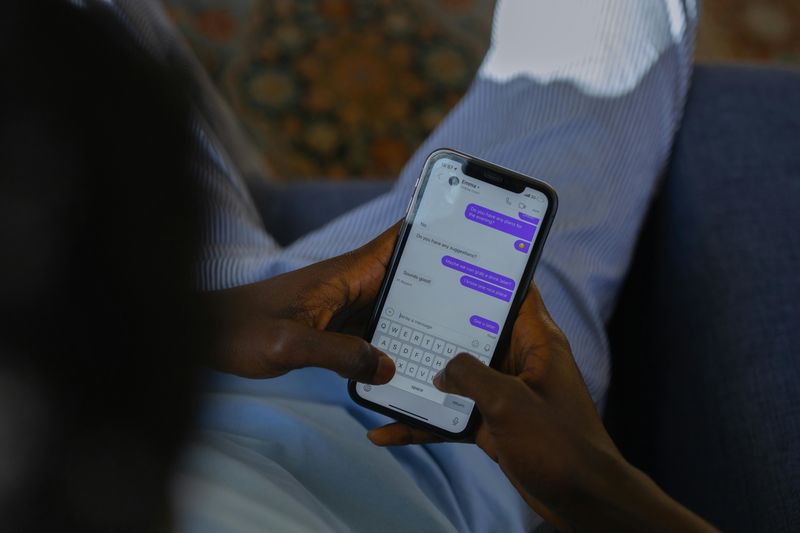
Texting constantly between dates actually hurts your in-person chemistry.
When you share everything through messages, you have less to discuss face-to-face.
Digital conversations lack tone, body language, and real emotional connection.
They can also create false intimacy that doesn’t translate to real life.
Try saving some stories and thoughts for when you’re together.
This creates anticipation and gives you fresh material to explore.
Use texts for quick check-ins and making plans, but resist the urge to have deep conversations through screens.
Real connection happens when you’re looking into someone’s eyes, not at typing bubbles on your phone.
6. Not Asking Follow-Up Questions

Conversations die when people don’t show genuine interest in responses.
Someone shares something important, but instead of exploring it further, you just nod and change subjects.
This makes the other person feel unheard and unimportant.
Why would they keep opening up if you don’t seem to care?
Active listening transforms interactions completely.
When someone mentions their job, ask what they love about it or what challenges they face.
If they talk about family, inquire about specific relationships or memories.
These follow-ups show you’re truly paying attention and value what they’re saying, which encourages them to share more and keeps dialogue flowing naturally.
7. Trying Too Hard to Impress

Putting on a performance instead of being yourself creates exhausting, inauthentic interactions.
When you’re constantly trying to say the right thing or appear perfect, conversations feel forced and unnatural.
This pressure makes both people uncomfortable.
The other person can usually sense when someone isn’t being genuine.
Relaxing into who you actually are makes everything easier.
Share your real opinions, laugh at yourself when you’re awkward, and admit when you don’t know something.
Vulnerability and honesty create comfort and trust.
People connect with real humans, not polished versions trying to win approval.
Being yourself attracts the right people and repels the wrong ones, which saves everyone time.
8. Unresolved Physical Attraction Issues

Chemistry matters, and when it’s missing, conversations struggle.
You might have great talks through text, but in person something feels off or awkward.
Physical attraction isn’t everything, but it plays a role in romantic relationships.
Without it, interactions can feel more like interviews than dates.
Sometimes attraction grows over time, so don’t dismiss someone immediately.
However, if you’re forcing connection that isn’t there, both people will sense the discomfort.
Pay attention to body language and energy.
If conversations feel strained despite trying everything else, the spark might simply not exist.
That’s nobody’s fault, and recognizing it early prevents wasting time and emotional energy on incompatible matches.
Comments
Loading…