
 Chloe Peterson
Swiping through dating apps can feel like a full-time job, and the results aren’t always what you expect. Behind the perfect profiles and endless matches lies a reality that most people don’t talk about openly.
Understanding these uncomfortable truths can help you navigate the digital dating world with realistic expectations and better protect your time and heart.
1. Most Matches Never Lead to Real Conversations
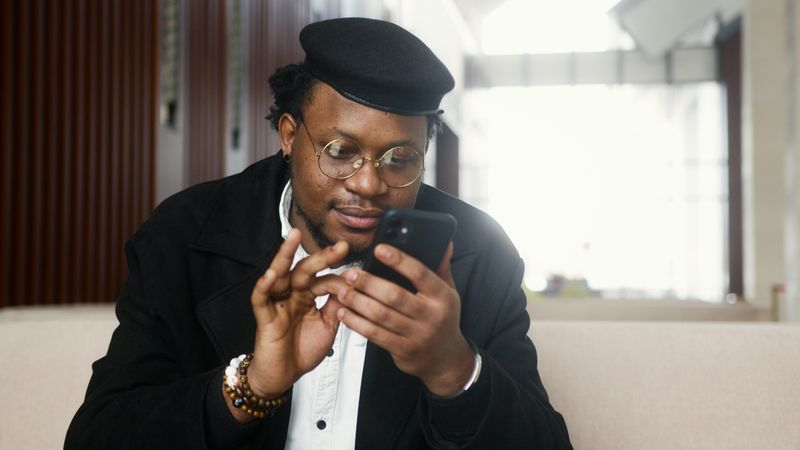
Getting a match feels exciting at first, but the thrill fades quickly when you realize most people never respond.
Studies show that only about 2% of matches actually turn into meaningful conversations that last more than a few messages.
People collect matches like trophies without any real intention of meeting up.
Many users just enjoy the validation of knowing someone found them attractive.
The endless swiping becomes more about boosting self-esteem than finding genuine connections.
Understanding this helps you avoid taking silence personally when your messages go unanswered.
2. Photos Are Carefully Curated Illusions
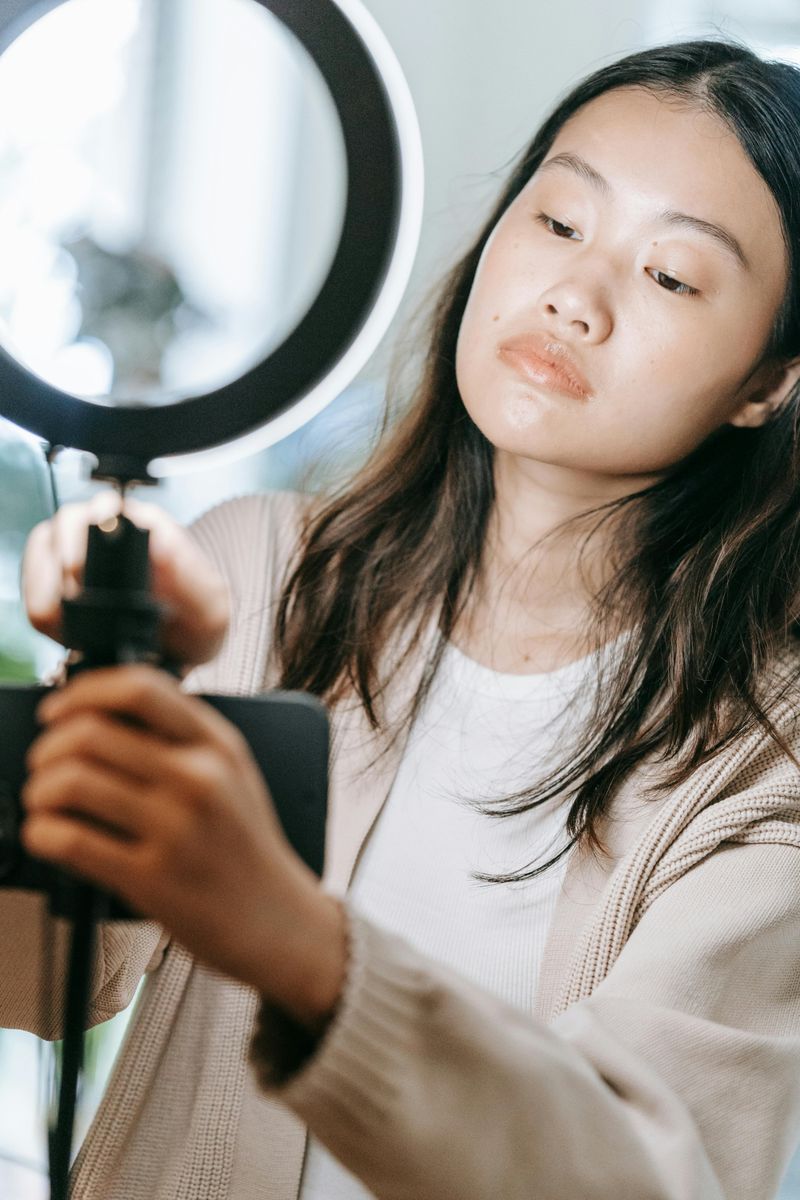
Everyone puts their absolute best foot forward online, which means profile pictures rarely show reality.
Angles, lighting, filters, and strategic cropping transform average-looking people into seemingly flawless specimens.
Some photos might be years old or heavily edited to hide weight gain, aging, or other changes.
When you finally meet someone in person, the difference between their photos and real appearance can feel like meeting a stranger.
This isn’t necessarily dishonest—everyone wants to look attractive—but it creates unrealistic expectations.
Remember that your date is probably thinking the same thing about your pictures too.
3. Attractive People Have Completely Different Experiences

Physical appearance dramatically changes how dating apps work for different users.
Conventionally attractive people get flooded with matches and messages, while average-looking users struggle to get any attention at all.
The algorithms actually favor profiles that get more right swipes, creating a popularity contest where the rich get richer.
Someone gorgeous might go on dates every weekend, while someone less photogenic sends hundreds of messages without a single reply.
This creates vastly different perspectives on whether dating apps actually work.
Your experience depends heavily on genetic lottery luck rather than personality or compatibility.
4. The Apps Are Designed to Keep You Single

Dating companies make money when you stay on their platform, not when you find love and delete the app.
Every feature is carefully engineered to be addictive—the swiping motion, the intermittent rewards of matches, the constant notifications pulling you back.
Apps introduce premium features that promise better results but mainly just extract more money from desperate users.
If everyone quickly found their perfect match, these companies would go bankrupt.
Success stories exist, but the business model fundamentally conflicts with helping you find lasting relationships.
You’re not the customer; you’re the product being sold to advertisers and premium subscribers.
5. People Are Talking to Multiple Others Simultaneously
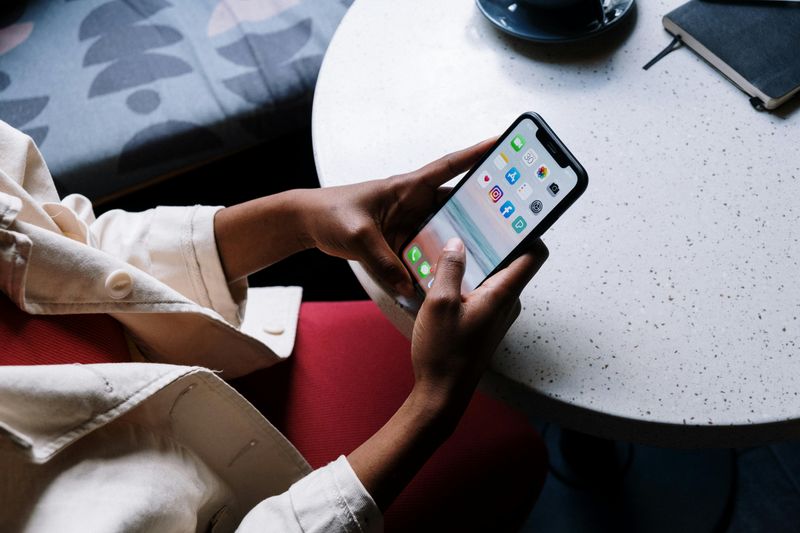
While you might be focused on one promising conversation, your match is probably chatting with ten other people.
The abundance of options makes everyone treat potential dates as disposable and easily replaceable.
One slightly awkward message and they’ll ghost you to focus on someone else from their long list.
Building genuine emotional investment becomes nearly impossible when everyone keeps their options open.
People schedule multiple first dates in the same week, comparison-shopping for humans like they’re buying shoes online.
This creates a shallow dating culture where nobody commits because something supposedly better might be just one swipe away.
6. Your Data Is Being Sold and Analyzed

Every swipe, message, and profile view gets recorded and analyzed by companies you’ve never heard of.
Dating apps collect incredibly personal information—your location history, romantic preferences, private conversations, and even how long you look at certain photos.
This data gets packaged and sold to advertisers, or used to manipulate your behavior through algorithmic tricks.
Some apps have faced scandals for sharing HIV status, political views, and other sensitive details without proper consent.
Your most vulnerable moments searching for love become profitable data points.
Privacy policies are deliberately confusing to hide how extensively your information gets exploited.
7. Rejection Becomes Normalized and Emotionally Draining
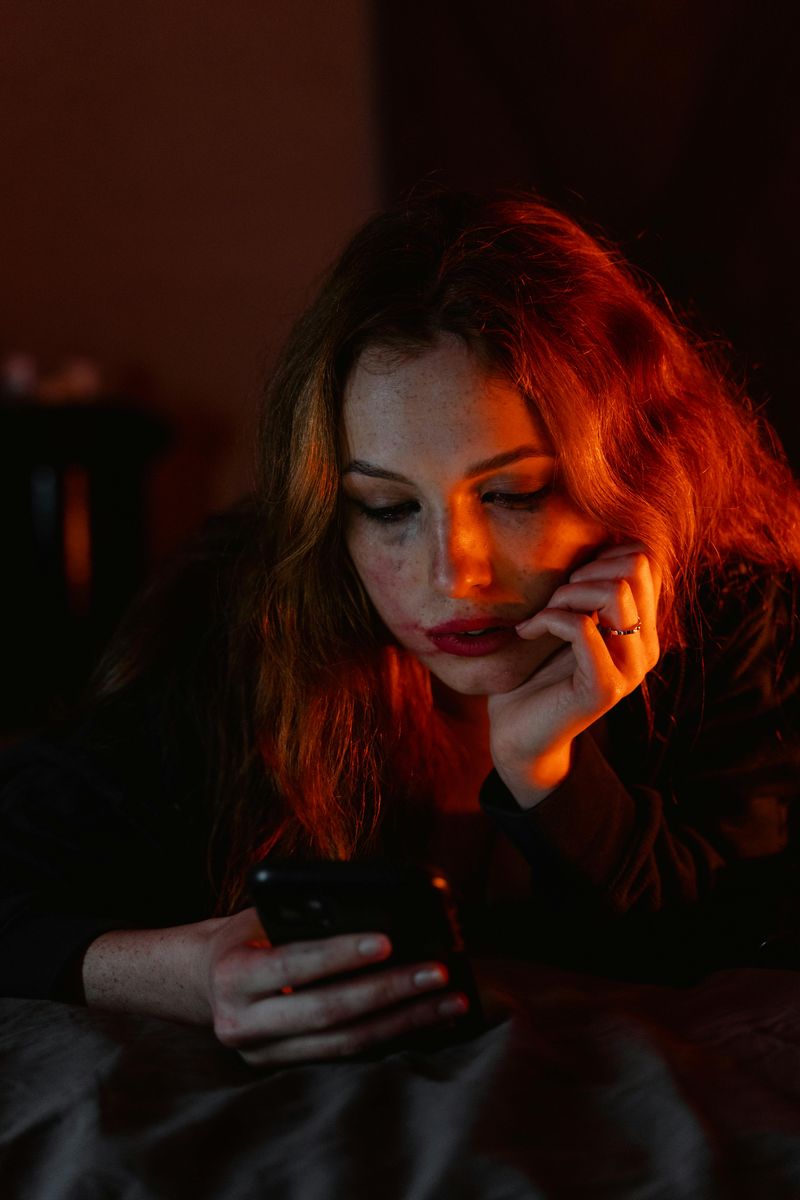
Constant rejection wears down even the most confident people over time.
Getting ignored after dozens of carefully crafted messages chips away at your self-worth.
Being ghosted after what seemed like great dates makes you question your judgment and attractiveness.
The sheer volume of rejection on dating apps far exceeds what people experienced in traditional dating.
Eventually, many users become numb, cynical, or develop serious anxiety about their romantic value.
Mental health professionals report increased depression and low self-esteem linked directly to dating app usage.
Protecting your emotional wellbeing requires taking regular breaks from the brutal cycle.
8. Success Stories Are the Exception, Not the Rule
Everyone knows someone who met their partner on a dating app, but these stories are actually quite rare.
Research indicates that most dating app users never end up in long-term relationships from these platforms.
The few success stories get amplified and celebrated, creating false impressions about how well these apps actually work.
Companies heavily promote their rare victories while quietly ignoring the millions of frustrated users who waste years swiping without results.
Traditional methods of meeting people—through friends, hobbies, or work—still produce better relationship outcomes.
Apps can work, but treating them as the primary solution often leads to disappointment and wasted time.
Comments
Loading…