
 Hailey Watson
Grandparents hold a special place in their grandchildren’s lives, offering wisdom, love, and perspectives shaped by decades of experience.
Sometimes the things they say might clash with modern parenting styles, but certain phrases carry valuable lessons that shouldn’t be dismissed.
While respecting parental boundaries is important, there’s room for grandparents to share their unique viewpoints.
Here are seven things grandparents should be allowed to express, even when parents might cringe at the words.
1. Back in My Day, We Played Outside Until Dark
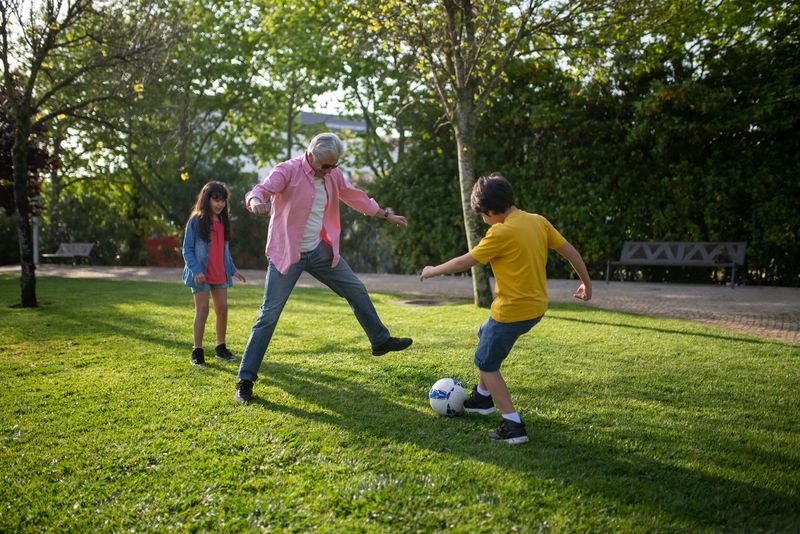
Grandparents grew up in a world without screens dominating every moment.
Their childhood memories include bike rides through neighborhoods, building forts in the woods, and games that lasted until streetlights flickered on.
Sharing these stories isn’t about shaming modern kids but about painting pictures of different possibilities.
When grandparents talk about their outdoor adventures, they’re offering windows into resourcefulness and imagination.
They survived without Wi-Fi and turned cardboard boxes into spaceships.
These tales can inspire grandchildren to occasionally unplug and discover what their own neighborhoods offer.
Parents might worry this sounds judgmental, but it’s really about expanding horizons and showing kids that fun existed long before tablets were invented.
2. A Little Dirt Never Hurt Anyone
Modern parenting often involves hand sanitizer at every turn and constant vigilance about germs.
Grandparents remember when kids ate sandwiches with slightly grimy hands and somehow survived just fine.
Their relaxed attitude toward minor messes comes from experience, not carelessness.
Research actually supports their perspective.
Exposure to everyday dirt and germs helps build robust immune systems in children.
Overly sterile environments might do more harm than good in the long run.
When grandma says this phrase, she’s not advocating for neglect.
She’s reminding everyone that childhood should include exploration, even if it means grass stains and muddy knees.
Sometimes the best memories come from getting a little messy along the way.
3. You’ll Understand When You’re Older
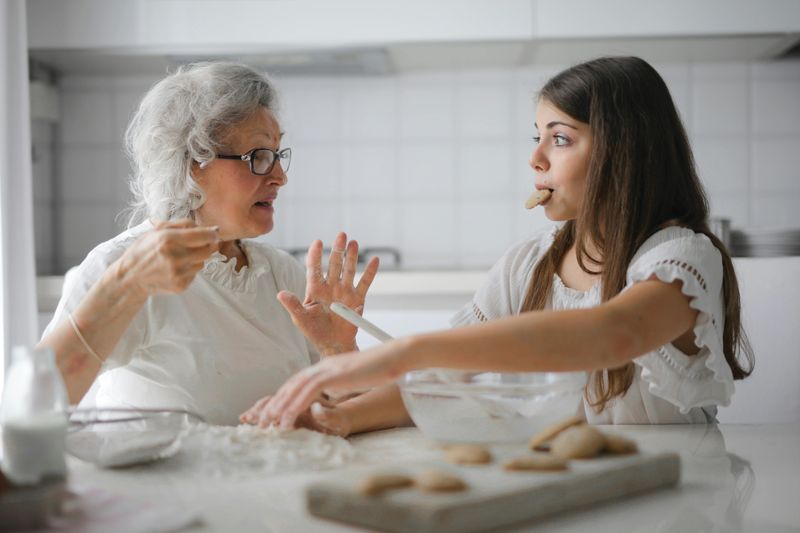
Kids want explanations for everything right now, but some life lessons truly require time and maturity to comprehend.
Grandparents have watched generations grow and know that certain truths only make sense with accumulated experience.
This phrase isn’t a cop-out but an acknowledgment of life’s complexity.
Parents sometimes feel pressured to explain every decision in child-friendly terms.
Grandparents offer a different wisdom: not everything needs immediate understanding.
Some concepts about relationships, loss, or disappointment genuinely require years to process.
This statement validates that confusion is okay and that growing up involves gradually piecing together life’s bigger picture.
It’s permission for grandchildren to be patient with themselves as they mature and discover deeper meanings over time.
4. Family Comes First, Always

In today’s busy world, schedules overflow with activities, playdates, and commitments.
Grandparents remember when family dinners happened nightly and relatives gathered regularly without needing calendar invitations.
Their emphasis on family priority stems from understanding what ultimately matters most.
This doesn’t mean isolating children from friends or outside experiences.
Instead, it highlights the foundation that family relationships provide throughout life’s ups and downs.
When soccer practice conflicts with a cousin’s birthday, grandparents advocate for choosing family connections.
Parents might worry this sounds old-fashioned, but research shows strong family bonds contribute significantly to children’s emotional health and resilience.
Grandparents aren’t being controlling—they’re protecting something precious they’ve seen erode over generations and hoping to preserve it.
5. Respect Your Elders
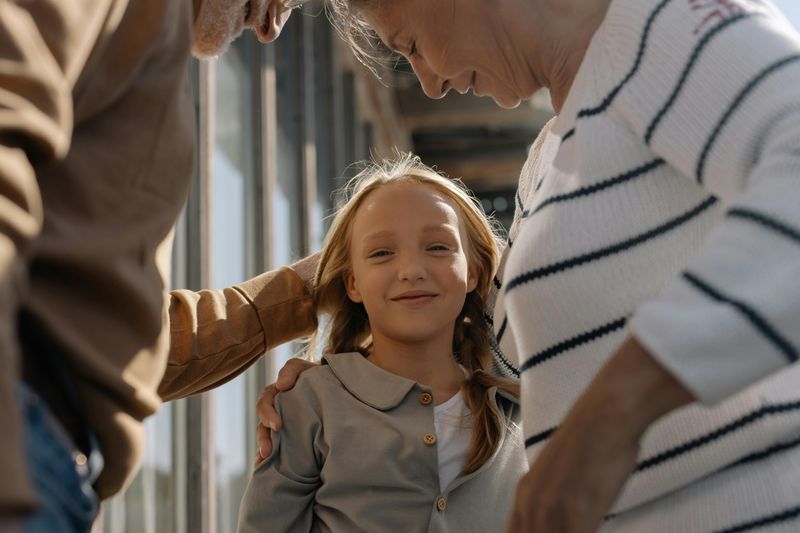
Casual disrespect toward adults has become normalized in some circles, with kids talking back or ignoring instructions without consequences.
Grandparents grew up in cultures where respecting elders wasn’t optional—it was fundamental to social fabric.
They’re not demanding blind obedience but teaching basic courtesy.
This principle extends beyond just age.
It’s about recognizing that experience deserves acknowledgment and that listening to those who’ve lived longer offers valuable shortcuts through life’s challenges.
Politeness, attentiveness, and consideration create smoother relationships everywhere.
Modern parents sometimes prioritize friendship with their kids over authority.
Grandparents balance this by modeling that respect and warmth can coexist.
Teaching children to honor their elders prepares them for workplaces, communities, and relationships where hierarchy and courtesy matter greatly.
6. Life Isn’t Always Fair

Participation trophies and constant praise can create unrealistic expectations about how the world operates.
Grandparents lived through wars, recessions, and personal hardships that taught them life distributes challenges unevenly.
This statement prepares grandchildren for inevitable disappointments with honesty rather than false promises.
Parents naturally want to shield their children from pain and rejection.
Grandparents understand that resilience develops through facing unfairness and learning to persevere anyway.
Pretending everything will work out perfectly sets kids up for crushing disillusionment later.
When grandpa says life isn’t fair, he’s not being pessimistic.
He’s equipping grandchildren with realistic perspectives that build mental toughness.
Understanding that obstacles happen to everyone helps kids develop problem-solving skills instead of victim mentalities when challenges inevitably arrive.
7. Hard Work Builds Character
Instant gratification defines modern childhood, with entertainment and answers available at fingertips constantly.
Grandparents remember earning allowances through chores, saving for months to buy desired items, and the pride that came from achieving difficult goals.
Their emphasis on effort over ease comes from knowing what truly builds self-worth.
This isn’t about making childhood miserable with endless labor.
It’s recognizing that struggling through challenges teaches persistence, problem-solving, and satisfaction that easy victories never provide.
Kids who never face difficulty often lack confidence when real obstacles appear.
Parents sometimes remove all friction from their children’s paths, wanting to spare them frustration.
Grandparents wisely know that character develops in the struggle, not the success.
Perseverance through hard tasks creates capable adults who don’t crumble when life gets tough.
Comments
Loading…