
 Mila Ross
Most people assume that a happy relationship means no arguing, but that is not always the whole story.
Some couples actually seem to grow stronger through their disagreements, and the reasons behind this are more fascinating than you might expect.
Understanding why conflict works for certain pairs can shed light on how relationships really function.
Get ready to look at fighting in a whole new way.
1. It Fulfills Deep Attachment Needs
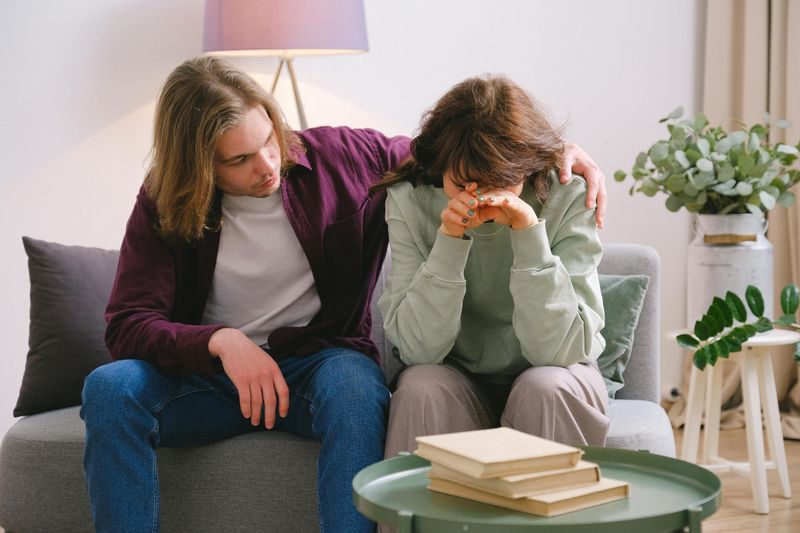
For people with anxious attachment styles, conflict can actually feel like a love language.
When arguments happen, intense emotions rise to the surface.
Then, when the dust settles and reassurance follows, it creates a powerful sense of being valued and safe.
That back-and-forth between tension and comfort can make anxious partners feel more emotionally connected than during quiet, peaceful stretches.
The reassurance they receive after a fight answers a deep internal question: “Do you still love me?”
Over time, this pattern reinforces their bond.
It is not the healthiest cycle, but for many, it genuinely feels like closeness and security.
2. The Fight-and-Makeup Cycle Builds Intimacy

Picture a rollercoaster that keeps bringing two people back to each other, again and again.
That is exactly what the fight-and-makeup cycle feels like for some couples.
The emotional tension of a disagreement, followed by the warmth of reconciliation, creates a bonding ritual unlike anything else.
Each resolution brings a mini-honeymoon moment, a rush of closeness that feels earned and real.
That contrast between conflict and calm makes the relationship feel emotionally alive.
Researchers have noted that couples who repair well after conflict often report higher satisfaction.
The key is in how beautifully they find their way back to each other.
3. Conflict Feels Like Proof of Passion
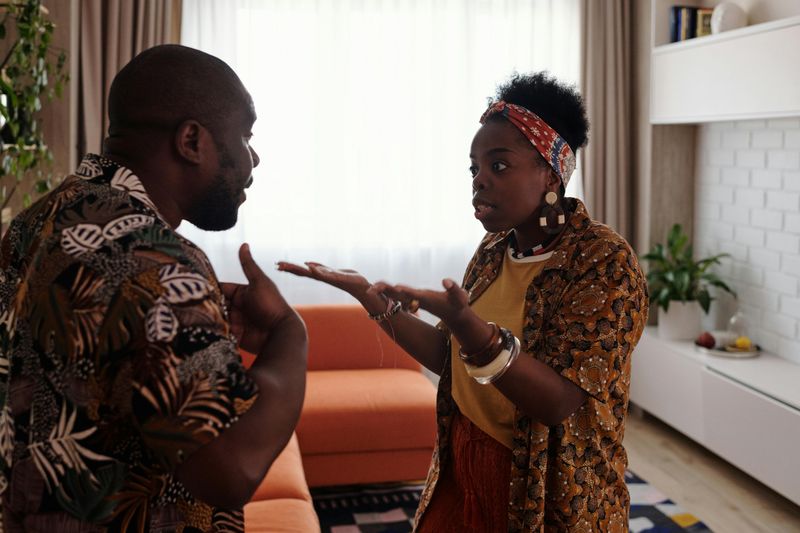
Here is a quirky truth: some couples actually worry when things are too calm.
For them, a quiet stretch in the relationship does not feel like peace, it feels like boredom.
Arguments, on the other hand, signal that strong emotions are still very much alive.
Fighting becomes proof that both partners still care deeply.
If nobody is fired up, they wonder if the spark has faded.
This mindset is more common than most people realize, especially in passionate, high-energy relationships.
While it is worth building healthier emotional habits, understanding this pattern helps explain why some couples seem energized rather than drained by their disagreements.
4. Arguments Become a Communication Shortcut

Not everyone grew up learning how to express needs calmly and clearly.
For some people, conflict is simply the most familiar tool in their communication toolbox.
Over years together, arguing becomes the default channel for getting a point across.
It is not laziness or cruelty.
It is a learned pattern, often rooted in childhood environments where raised voices were just how feelings got expressed.
When conflict is the only model someone knows, it becomes their go-to method for feeling heard.
Recognizing this pattern is the first step toward building better habits.
Many couples benefit enormously from learning calmer, more direct ways to share what they truly need.
5. Fighting Releases Built-Up Emotional Tension

Think of emotional stress like steam building inside a pressure cooker.
Without a release valve, it just keeps building.
For some couples, arguments serve exactly that purpose, letting frustration, stress, and resentment escape before they cause bigger damage.
Instead of bottling things up until they explode in truly harmful ways, these partners use conflict as a pressure release.
After the fight, there is often a noticeable emotional reset, a lighter feeling that allows both people to breathe again.
Is it the most elegant approach?
Not really.
But for couples who struggle to process emotions quietly, venting through conflict can offer genuine, if temporary, emotional relief.
6. They Associate Conflict With Honesty

Some couples genuinely believe that willingness to argue is a sign of emotional honesty.
“If we are not fighting, are we even being real with each other?” Avoiding disagreements, to them, feels like hiding feelings or pretending everything is fine when it is not.
There is actually something to this.
Couples who never argue sometimes suppress real concerns, which can quietly erode trust over time.
For those who value raw authenticity, conflict signals that nobody is faking it.
The healthiest version of this mindset pairs honesty with respect.
Disagreeing openly is powerful, but doing it with kindness and curiosity makes all the difference in keeping the relationship strong.
7. Making Up Feels Incredibly Rewarding
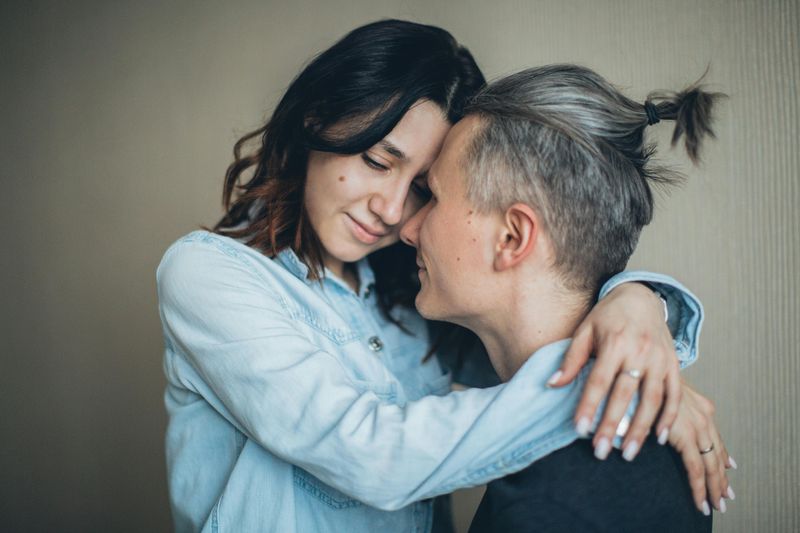
The resolution phase of a conflict can feel almost magical.
Apologies exchanged, affection restored, a hug that carries real relief, these moments create a powerful emotional payoff that is hard to match in everyday calm moments.
That rewarding feeling is not accidental.
The brain releases feel-good chemicals during reconciliation, reinforcing the entire cycle.
Over time, some couples unconsciously begin to associate conflict with that comforting closeness that follows, making the pattern self-repeating.
Understanding this cycle is genuinely eye-opening.
When partners recognize what they are chasing, they can find healthier ways to create closeness without needing the storm before the sunshine.
That awareness alone can transform a relationship.
Comments
Loading…