
 Hailey Watson
Trust forms the foundation of every healthy marriage, but sometimes small changes in behavior can make you wonder what’s really going on.
When your spouse starts acting differently with their phone, it’s natural to feel concerned or even worried.
While these habits don’t automatically mean something bad is happening, they’re worth paying attention to because they often signal that someone is trying to keep secrets.
1. Suddenly Guarding Their Phone Like a Treasure

Your spouse never used to care where their phone was, but now it’s practically glued to their hand.
They take it everywhere, even to the bathroom, and always keep the screen facing down on tables.
This sudden change in behavior often means they’re worried you might see something they don’t want you to know about.
When someone becomes overly protective of their device, it usually indicates they’re hiding messages, calls, or apps.
Pay attention if they panic when you pick up their phone innocently or if they’ve started sleeping with it under their pillow.
These aren’t normal habits for someone with nothing to hide.
2. Deleting Messages and Clearing History Constantly
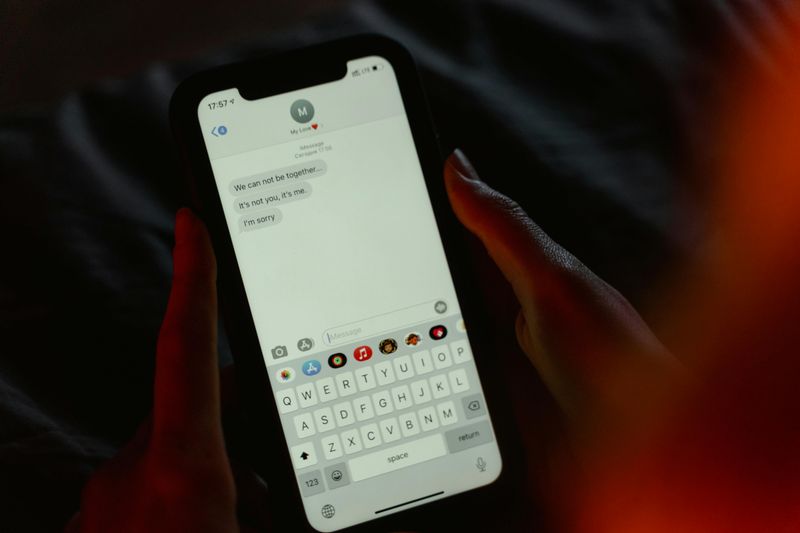
Most people don’t bother deleting their text messages or call logs unless they’re running out of storage space.
If your spouse regularly clears their phone history, something suspicious might be going on.
Watch for patterns like emptied text threads from specific contacts or completely wiped call records.
They might claim they’re just organizing their phone, but frequent deletion usually means covering tracks.
Browser history that’s always blank is another red flag.
Normal phone users accumulate some digital footprint, so a spotless history suggests deliberate erasure.
This behavior shows they’re actively trying to prevent you from discovering their communications.
3. Getting Calls from Numbers They Won’t Explain

Unknown numbers calling your spouse’s phone occasionally is normal, like telemarketers or wrong numbers.
But when these mystery calls happen frequently and your spouse refuses to discuss them, your suspicions are probably justified.
Notice how they react when these calls come through.
Do they quickly silence the phone, step outside to answer, or claim it’s just spam without checking?
Honest partners don’t usually hide who’s contacting them.
If they get defensive when you ask simple questions about unknown callers, they’re likely protecting someone’s identity.
The secrecy around these contacts matters more than the calls themselves, revealing they’re keeping relationships hidden from you.
4. Texting Late at Night When You’re Asleep

Everyone occasionally checks their phone before bed, but excessive late-night phone use tells a different story.
If your spouse waits until you’re asleep to start texting or scrolling, they’re deliberately hiding their activity.
The glow of a phone screen at 2 AM isn’t about checking tomorrow’s weather forecast.
Late-night communication patterns suggest they’re talking to someone they can’t message during normal hours when you’re awake and around.
This sneaky timing indicates guilt and awareness that their behavior would upset you.
Partners with nothing to hide don’t wait for darkness to use their phones, making this habit particularly troubling for relationships.
5. Creating New Email Accounts and Secret Apps

Has your spouse suddenly become interested in privacy apps or started using encrypted messaging services?
While privacy matters, a dramatic shift toward secretive technology raises questions about what they’re protecting.
New email addresses, especially ones they don’t share with you, serve as perfect tools for hidden communication.
Apps that delete messages automatically or require passwords to open are designed specifically for keeping secrets.
Someone who previously used regular texting but now insists on special encrypted apps is clearly trying to hide something.
This technological shift toward secrecy demonstrates intentional effort to create communication channels you can’t access or monitor easily.
6. Getting Angry When You Ask About Phone Use

Innocent people don’t usually explode with anger over simple questions.
When your spouse overreacts to casual inquiries about their phone activity, their defensiveness reveals guilt.
Reasonable partners answer questions calmly because they have nothing to hide.
But someone concealing secrets will turn the tables, accusing you of being paranoid, controlling, or jealous instead of simply explaining.
This aggressive response serves as a distraction technique, making you feel bad for asking legitimate questions.
Their goal is shutting down your curiosity before you discover the truth.
Extreme defensiveness over phone use almost always indicates they’re protecting information that would damage your relationship if revealed.
7. Spending Hours on Social Media With New Friends

Social media activity naturally fluctuates, but dramatic increases combined with new mysterious contacts should catch your attention.
If your spouse suddenly has online friends they’ve never mentioned, question marks should appear.
Watch for excessive time spent messaging people you don’t know or whose names never come up in conversation.
Private social media accounts or hidden friend lists also signal intentional concealment.
Someone genuinely making innocent new friends would naturally mention these people to their spouse.
The secrecy surrounding these online relationships, combined with increased screen time, suggests emotional or romantic connections they’re keeping hidden.
This behavior often precedes or accompanies physical infidelity.
Comments
Loading…