
 Mary Murphy
15 Things Men Complain About When They Say Today’s Women Are “Impossible to Date”
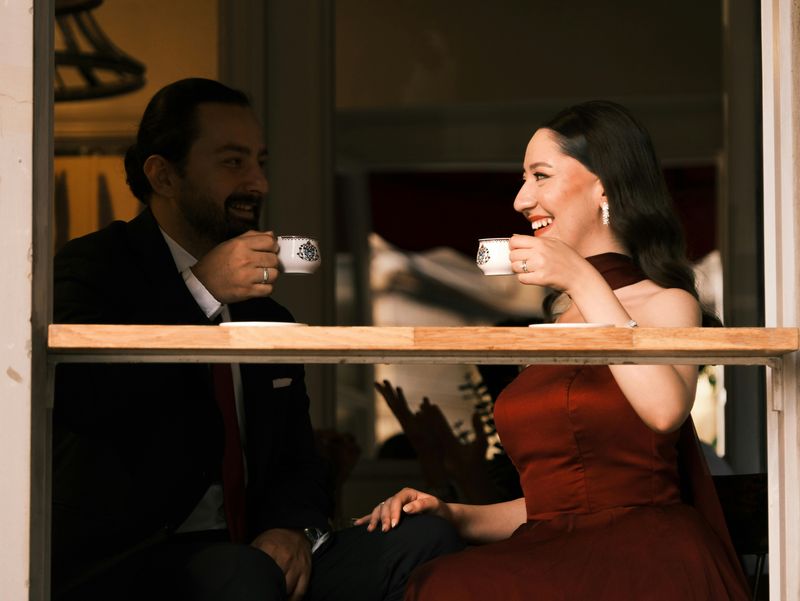
Modern dating comes with more options, more advice, and way more noise than it used to.
Some men say those changes have made certain women “impossible to date,” but the truth is usually more complicated than a hot take.
A lot of these complaints are really about mismatched expectations, bruised egos, and bad communication on both sides.
Still, the patterns show up often enough in conversations, podcasts, and group chats that they’ve become their own set of stereotypes.
This list breaks down the behaviors men say frustrate them, along with the underlying tension that tends to fuel the complaint.
Read it as a snapshot of what’s being argued online, not a verdict on how women “should” behave to be lovable.
1. Treating dating like a job interview

Plenty of men describe feeling evaluated before they feel enjoyed.
When every date turns into a rapid checklist about salaries, timelines, and future plans, they say chemistry gets squeezed out.
They often interpret intense questioning as distrust, even when a woman is simply trying to avoid wasting time.
The complaint usually isn’t about wanting less seriousness, but about wanting warmth alongside the practical stuff.
A date can hold real questions while still leaving space for humor, curiosity, and natural storytelling.
When someone feels like they’re being graded, they tend to perform instead of connect, and that performance rarely leads to real intimacy.
2. Expecting boyfriend perks with stranger effort

Many guys say the pace feels off when emotional intimacy is demanded faster than relational trust is built.
They describe being expected to text all day, plan constantly, and provide reassurance before they even know basic compatibility.
From their view, that pressure can feel like a commitment being pulled out of them rather than mutually chosen.
Women often push for consistency because inconsistency has burned them before, so the intention isn’t always selfish.
The gap happens when “show effort” gets translated into “prove you’re mine” too early.
A healthier rhythm lets attention grow as actions match words over time, instead of requiring instant devotion from a near-stranger.
3. Keeping a roster but demanding exclusivity fast

Some men complain about mixed signals when dating stays casual on paper but possessive in practice.
They’ll hear, “We’re just seeing what happens,” yet notice jealousy if they don’t behave like a committed partner.
That contradiction can create confusion, because the rules keep changing depending on emotions in the moment.
In reality, plenty of people date multiple options while still wanting to feel chosen and secure.
The problem is less about seeing others and more about not being honest about what would actually feel okay.
Clear conversations about boundaries, timing, and expectations tend to calm the drama that a silent “roster” dynamic invites.
4. Being chronically glued to the phone

A lot of men say constant scrolling makes them feel like they’re competing with a screen.
When someone checks notifications mid-story or records every moment, they interpret it as disinterest or a need for external validation.
It can also create a vibe where the date feels like content, not connection, which makes people act guarded.
To be fair, phones are how many people manage anxiety, safety check-ins, and awkward silences.
Still, attention is one of the clearest ways we signal respect, attraction, and curiosity.
When presence is broken into tiny fragments, the date rarely builds momentum, and both people walk away feeling oddly unsatisfied.
5. Using social media as a scoreboard

Many guys say they feel judged by metrics that have nothing to do with real commitment.
They’ll hear frustration about not being posted, not commenting enough, or not “claiming” a relationship publicly fast.
For them, it can feel like affection is being measured through audience signals rather than private consistency.
Some women lean on social proof because past partners hid them, breadcrumbed them, or treated them as a secret.
The healthiest version is asking for clarity and respect without turning Instagram into a relationship report card.
When both people agree on privacy and visibility, the pressure drops and the focus returns to how the relationship actually feels offline.
6. Assuming worst intentions by default

A common complaint is that neutral behavior gets interpreted as a red flag before a conversation even happens.
Men describe feeling pre-accused of cheating, disrespect, or manipulation based on past experiences they didn’t cause.
That defensiveness can trigger a cycle where they pull back, which then “proves” the fear and escalates the suspicion.
Women often develop hypervigilance because ignoring early warning signs has hurt them, so the instinct makes emotional sense.
The issue is when protection turns into prosecution, and curiosity gets replaced by constant cross-examination.
Trust doesn’t mean ignoring reality, but it does mean letting evidence build before a relationship becomes a courtroom drama.
7. Calling basic boundaries toxic

Some men say their normal limits get reframed as a character defect rather than a preference.
They mention wanting a night with friends or time alone, only to be told they’re avoidant, selfish, or emotionally immature.
From their perspective, that language feels like therapy terms used as weapons instead of tools for understanding.
At the same time, women may fear boundaries because they’ve seen “space” turn into slow ghosting.
The difference comes down to transparency, follow-through, and reassurance that distance isn’t punishment.
When boundaries are respected and communicated clearly, they create safety for both people, not a power struggle over who needs whom more.
8. Turning every disagreement into a character flaw
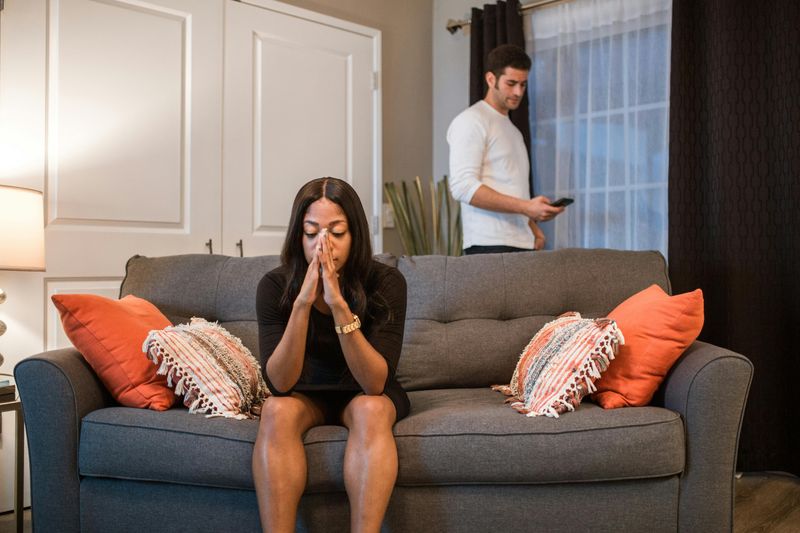
Many men say conflict feels impossible when mistakes become identity labels.
They’ll describe a small miscommunication turning into “you always” and “this is who you are” within minutes.
That style of fighting makes people defensive, because it attacks the person rather than the specific behavior.
Women may escalate like this when they feel unheard, or when past patterns taught them that subtle requests get ignored.
Still, relationships survive best when problems stay concrete, actionable, and tied to the moment at hand.
When criticism becomes a full personality indictment, repair becomes harder, tenderness disappears, and both sides start keeping score instead of seeking solutions.
9. Making sarcasm and banter a personality

A lot of guys say playful teasing stops being fun when it turns into constant edge.
They’ll tolerate jokes, but they resent feeling like they’re always being corrected, mocked, or tested for reactions.
Over time, the humor can feel less like flirting and more like low-grade contempt dressed up as wit.
Women sometimes use sarcasm as armor, especially when vulnerability has been punished in past relationships.
The line gets crossed when jokes land as disrespect, then get dismissed with “you can’t take a joke.”
If banter is the main communication style, intimacy struggles to grow, because safety requires kindness, not just cleverness.
10. Expecting constant entertainment

Some men say the pressure to be exciting every minute makes dating feel performative.
They describe partners who get bored quickly, need nonstop novelty, or treat quiet routines as a sign the relationship is dying.
That expectation can create anxiety, because real life includes errands, downtime, and evenings that aren’t cinematic.
Many women crave consistent effort because they don’t want to be stuck in a low-energy relationship where nothing ever happens.
The balance is learning the difference between neglect and normal comfort, and building fun without forcing fireworks.
When a relationship has room for both adventure and stillness, attraction becomes sustainable instead of burning out in a constant chase for thrills.
11. Overanalyzing texts instead of communicating directly

A lot of men say texting becomes exhausting when every word gets treated like a hidden message.
They’ll send a short reply during work and later find themselves defending punctuation, tone, and timing.
That dynamic can make them feel like they’re always failing an invisible test they never agreed to take.
Women often analyze texts because unclear communication can signal disrespect, cheating, or emotional unavailability, and they want to protect themselves.
The problem is when assumptions replace questions, and anxiety drives the conversation more than reality does.
Direct, calm check-ins usually reveal what a spiral cannot, and they give both people a chance to be understood instead of misread.
12. Dating for validation, not connection

Many guys say they can sense when attention matters more than intimacy.
They describe partners who crave constant compliments, reassurance, and affirmation, yet avoid deeper conversations about compatibility and values.
It can feel like being used as an emotional mirror rather than being seen as a whole person.
Women may seek validation because society grades them harshly, and dating apps amplify comparison in a way that can erode self-worth.
Still, no partner can permanently fix insecurity, and chasing reassurance can drain the fun out of bonding.
When self-esteem is supported internally and relationships are built on mutual curiosity, the connection feels lighter, steadier, and far less transactional.
13. Keeping ex drama on life support

Some men say nothing kills momentum faster than an ex who is still emotionally in the room.
They describe constant references, leftover resentments, and “we’re just friends” situations that come with blurred boundaries and late-night messages.
Even if nothing physical is happening, the emotional entanglement can make a new partner feel like a placeholder.
Women sometimes keep exes around for safety, familiarity, or closure that never fully arrived, which can be understandable.
The key issue is whether the past is actually resolved or just being managed on a daily basis.
Clear boundaries, honest disclosure, and a willingness to prioritize the present are usually what separate healthy coexisting from ongoing drama.
14. standards with zero flexibility

A common complaint is that some expectations sound more like a shopping filter than a human connection.
Men talk about height requirements, income minimums, and lifestyle rules delivered early, as if love is a strict eligibility test.
They may feel reduced to stats, especially when the standards aren’t paired with openness to personality and character.
Women often set firm criteria because they’ve learned that vague “go with the flow” dating can waste years.
The healthiest standards protect values while still allowing room for nuance, growth, and real-world complexity.
When preferences become nonnegotiable demands without self-reflection, dating narrows into a numbers game that leaves everyone frustrated and alone.
15. Performing independence as hostility

Some men say confidence stops being attractive when it comes packaged as contempt.
They describe partners who treat compromise like weakness, kindness like a trap, or teamwork like an insult to their autonomy.
That posture can make a relationship feel adversarial, as if affection must be earned through conflict instead of built through trust.
Women may adopt a tougher stance because they’ve had to protect themselves emotionally, financially, or socially, and softness once felt unsafe.
Real independence is calm, secure, and collaborative, not constantly defensive or dismissive.
When strength includes the ability to be warm, receptive, and fair, relationships feel like partnership rather than a debate about who needs who less.
Comments
Loading…