
 Hailey Watson
13 Serious Mistakes in a Relationship — Would You Forgive Them?

Every relationship faces challenges, but some mistakes cut deeper than others.
When trust is broken or boundaries are crossed, partners must decide whether forgiveness is possible or if moving on is the healthier choice.
Understanding these serious missteps can help you recognize warning signs, protect your emotional well-being, and make informed decisions about your relationship’s future.
1. Cheating or Infidelity

Breaking trust through infidelity leaves scars that can last for years.
When someone steps outside the relationship, they’re not just making a physical mistake—they’re breaking a promise and shattering the foundation you built together.
Some couples work through cheating with counseling and honest communication.
Others find the betrayal too painful to overcome.
The key is whether the cheating partner shows genuine remorse and commits to rebuilding trust through consistent actions, not just words.
Forgiveness takes time and effort from both people.
You’ll need to decide if you can truly move past the hurt or if it will always cast a shadow over your relationship.
2. Lying About Important Matters

Small white lies are one thing, but hiding major information destroys the foundation of any partnership.
Whether it’s about finances, past relationships, or future plans, big lies create a web of deception that eventually unravels.
Trust evaporates when you discover your partner has been feeding you false stories.
You start questioning everything they’ve ever told you.
Did they mean anything they said, or was it all part of an elaborate performance?
Rebuilding after major dishonesty requires complete transparency going forward.
The liar must prove through consistent honesty that they’ve changed, which can take months or even years to establish.
3. Emotional or Verbal Abuse

Words can wound just as deeply as physical harm.
Name-calling, constant criticism, manipulation, and belittling comments chip away at your self-esteem until you barely recognize yourself anymore.
Abusers often apologize after their outbursts, promising it won’t happen again.
But without professional help and genuine commitment to change, the pattern typically continues.
You deserve to feel safe, respected, and valued in your relationship.
Many experts advise leaving emotionally abusive situations rather than hoping for change.
Your mental health matters more than preserving a toxic relationship.
Forgiveness doesn’t mean staying in harm’s way.
4. Financial Betrayal or Hidden Debt

Discovering your partner has secretly racked up thousands in debt or emptied your savings feels like a punch to the gut.
Money problems affect every aspect of life, from where you live to your future plans together.
Financial deception shows a lack of respect for your partnership.
Whether they’re hiding spending habits, gambling losses, or unpaid loans, the secrecy signals they don’t view you as an equal partner in life decisions.
Recovery requires complete financial transparency and possibly professional counseling.
Some couples create joint budgets and regular money meetings to rebuild trust and prevent future surprises.
5. Addiction Issues Kept Secret

Addiction affects everyone close to the person struggling, yet many hide their problems until they become impossible to ignore.
Whether it’s alcohol, drugs, or gambling, the lies and broken promises pile up quickly.
You might have noticed warning signs but dismissed them, wanting to believe everything was fine.
Once the truth emerges, you’re left wondering how much of your relationship was built on deception versus reality.
Forgiveness often depends on whether your partner seeks help and commits to recovery.
Supporting someone through addiction is exhausting, and you shouldn’t feel guilty for protecting your own well-being first.
6. Neglecting Your Emotional Needs

Feeling invisible in your own relationship hurts in ways that are hard to explain to others.
Your partner might not be doing anything obviously wrong, but they’re not really there for you emotionally either.
You share your feelings and get met with indifference or distraction.
Important conversations get brushed aside.
Over time, you stop trying because rejection stings too much.
The emotional distance grows until you’re basically roommates.
Some partners don’t realize they’re being neglectful until it’s pointed out clearly.
Others simply aren’t capable of the emotional depth you need.
Deciding whether to stay requires honest assessment of their willingness to change.
7. Crossing Physical Boundaries

Physical abuse has no place in healthy relationships, period.
Whether it’s shoving, hitting, or any unwanted physical contact, this behavior is never acceptable regardless of the circumstances or apologies that follow.
Abusers often minimize their actions or blame their partners for provoking them.
They might promise it was a one-time mistake, but statistics show that physical violence typically escalates over time without intervention.
Your safety matters more than any relationship.
If you’re experiencing physical abuse, reach out to trusted friends, family, or domestic violence resources.
Forgiveness shouldn’t mean putting yourself in danger repeatedly.
8. Betraying Confidence or Sharing Secrets
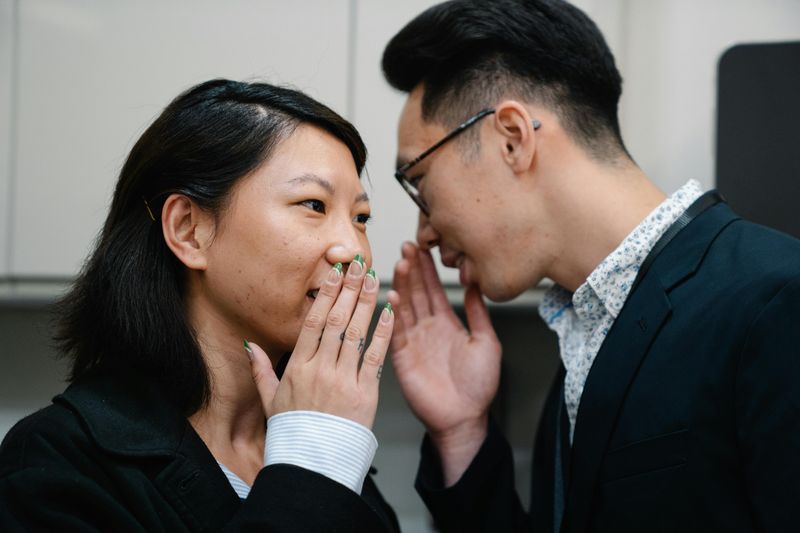
You shared your deepest fears, embarrassing moments, or private family issues in confidence.
Then you discover your partner told their friends, posted online, or used your secrets against you during arguments.
This betrayal cuts deep because it violates the intimacy that makes relationships special.
You opened your heart, made yourself vulnerable, and they treated your trust carelessly.
Now you wonder what else they’ve shared without permission.
Rebuilding trust after this violation is challenging.
Your partner must understand why their actions hurt so badly and prove they can respect boundaries going forward.
Some secrets, once spilled, can’t be taken back.
9. Refusing to Commit or Keep Promises

Year after year, you hear the same promises about getting engaged, moving in together, or starting a family.
But nothing ever changes.
Your partner keeps pushing back timelines while you feel your life is on hold.
This pattern shows they’re either not serious about the relationship or too scared to admit what they really want.
Either way, you’re stuck in limbo while your needs and dreams get ignored.
At some point, you must decide if waiting longer will change anything or if you’re wasting precious time.
Actions speak louder than words, and consistent failure to follow through sends a clear message.
10. Controlling or Jealous Behavior

Constant checking of your phone, questioning your whereabouts, and demanding you cut off friends might seem like love at first.
But controlling behavior is actually about power and insecurity, not affection.
Jealous partners isolate you from support systems, making you dependent on them alone.
They might track your location, demand passwords, or create scenes when you talk to others.
This behavior typically worsens over time.
Healthy relationships include trust and respect for independence.
If your partner can’t handle you having your own life, that’s their problem to fix, not yours to manage by shrinking yourself.
11. Disrespecting Your Family or Friends

Your partner constantly criticizes your mom, refuses to attend family gatherings, or talks badly about your best friend.
They create tension by making you choose between them and the people you’ve loved for years.
This disrespect puts you in an impossible position.
You love your partner, but you also value your other relationships.
Feeling torn between these connections creates constant stress and resentment on all sides.
Partners should make an effort with your loved ones, even if they’re not best friends.
Consistent disrespect shows they don’t value what matters to you.
That’s a significant red flag worth addressing directly.
12. Refusing to Seek Help for Problems

You’ve suggested couples counseling multiple times, but your partner refuses.
They insist nothing is wrong or that talking to a stranger won’t help.
Meanwhile, the same arguments keep happening on repeat.
Refusing professional help when a relationship is struggling shows unwillingness to do the work needed for improvement.
It suggests they’d rather maintain the status quo than face uncomfortable truths or change their behavior.
You can’t fix relationship problems alone.
Both people must be willing to examine their roles and make adjustments.
If your partner won’t even try, you’re fighting a losing battle no matter how hard you work.
13. Prioritizing Others Over the Relationship

Your partner always has time for their friends, hobbies, or work but consistently cancels plans with you.
You’ve become the last priority, fitting into whatever time slots remain after everything else.
Feeling like an afterthought in your own relationship breeds resentment and loneliness.
You start wondering why you’re even together if they clearly prefer spending time elsewhere.
The message feels clear: you don’t matter enough.
Balance is crucial in healthy partnerships.
While maintaining outside interests is important, your relationship should be a priority, not an obligation.
If they can’t make time for you, maybe they’re not ready for commitment.
Comments
Loading…