
 Isabel Parker
13 Marriage Decisions Wives Often Wish They Hadn’t Made

Marriage is full of choices, big and small, that shape the years ahead.
Some decisions feel right in the moment but later bring unexpected challenges or regret.
Understanding common missteps can help anyone navigate relationships with more awareness and confidence, whether they’re newlyweds or years into their commitment.
1. Ignoring Red Flags Early On

Warning signs rarely disappear on their own.
When something feels off at the beginning, whether it’s dismissive comments, jealousy, or communication breakdowns, those patterns often grow stronger over time.
Many wives look back and realize they noticed problems but convinced themselves things would improve.
Trusting your gut from the start can save years of heartache.
Red flags are there for a reason, and ignoring them usually leads to bigger struggles down the road.
Recognizing incompatibility early isn’t giving up—it’s protecting your future happiness and well-being.
2. Marrying Because “It’s Time”

Pressure from family, friends, or even a biological clock can push someone toward marriage before they’re truly ready.
Choosing a partner because it seems like the right age or stage feels logical in the moment.
But once the wedding excitement fades, the reality sets in.
Genuine connection and readiness matter far more than timelines.
Marrying out of obligation or expectation often leaves people wondering what they missed by rushing.
A lifelong commitment deserves more than checking off a box on society’s schedule.
3. Believing Love Alone Would Fix Everything

Strong feelings create a powerful bond, but they can’t solve every problem.
Unresolved trauma, poor communication habits, and clashing values need more than affection to heal.
Many enter marriage believing their love is strong enough to overcome anything, imagining that devotion alone will smooth out every rough edge.
Reality often proves otherwise when the same issues resurface repeatedly, no matter how deeply two people care for each other.
Effort, compatibility, emotional maturity, and a genuine willingness to grow together matter just as much as passion.
Love is essential, but it is never a magic cure for deeper challenges.
4. Ignoring Emotional Needs

Everyone needs affection, validation, and emotional support to feel truly valued in a relationship.
Dismissing your own needs or convincing yourself they don’t matter creates a slow-building resentment that’s easy to ignore at first.
Over time, emotional distance grows, communication weakens, and the connection becomes harder to repair.
Wives who push aside their feelings often find themselves lonely even while sharing a life and home with someone.
Speaking up about what you need isn’t selfish—it’s essential for long-term emotional health.
Relationships thrive only when both partners feel seen, heard, supported, and deeply fulfilled by each other.
5. Thinking Kids Will Fix a Broken Relationship

Children bring immense joy, but they also introduce stress, sleepless nights, and constant demands that test even the strongest relationships.
A struggling marriage rarely improves simply because a baby arrives; in fact, existing problems often intensify under the pressure of parenting.
Many wives hope a child will bring them closer to their partner, only to feel even more disconnected as responsibilities pile up.
Kids deserve a stable, loving foundation—not the unrealistic burden of holding a relationship together.
Addressing the marriage first, before adding more complexity, is the wiser and healthier choice for everyone’s long-term well-being and emotional security.
6. Settling for “Good Enough”

Fear of being alone or staying comfortable can keep someone in a relationship that’s just okay.
But “good enough” often leads to unmet needs, quiet dissatisfaction, and a lingering sense that something important is missing.
Over the years, that feeling grows heavier and harder to ignore, especially when personal dreams or emotional fulfillment are sacrificed.
Many wives later realize they accepted less than they deserved simply because settling felt safer than taking a risk.
True happiness requires more than avoiding loneliness—choosing a partner who genuinely fulfills you emotionally and mentally creates a far richer, more meaningful life together.
7. Giving Up Financial Independence

Relying completely on a partner for money might seem practical at first, especially when life feels easier with shared responsibilities.
But over time, it can create subtle power imbalances that shift the relationship dynamic in ways that don’t feel healthy or fair.
Financial dependence limits freedom, reduces confidence, and makes leaving a bad situation far more difficult than most expect.
Many wives who gave up their careers or income later felt trapped and deeply regretful as opportunities faded.
Maintaining financial independence protects your autonomy, strengthens equality, and keeps your options open.
Money isn’t just security—it’s personal power.
8. Not Setting Boundaries with In-Laws

Family involvement can be wonderful, but too much interference creates lasting friction that slowly chips away at the relationship.
When boundaries aren’t established early, in-laws may feel entitled to weigh in on personal decisions, parenting choices, or daily routines.
This creates tension between spouses and builds deeper resentment as the years go on.
Many wives later wish they had spoken up sooner about what was and wasn’t acceptable in their household.
Clear, respectful boundaries protect the marriage from outside pressures, and a united front with your partner keeps the relationship strong while preventing family drama from taking over your home.
9. Doing All the Emotional Labor

Planning dates, managing feelings, remembering birthdays, and keeping the relationship running smoothly—it becomes exhausting when one person is responsible for everything.
Emotional labor is invisible but incredibly draining, often taking a toll long before anyone notices what’s happening.
Many wives carry this weight quietly, not realizing how much it costs them mentally and emotionally until burnout sets in.
Over time, frustration builds and the relationship feels increasingly unbalanced.
A healthy partnership means sharing that responsibility equally, with both partners contributing to nurturing the connection—not one person doing the heavy lifting while the other simply coasts along.
10. Avoiding Hard Conversations

Uncomfortable topics don’t disappear just because you choose to ignore them.
Sidestepping difficult discussions about money, intimacy, responsibilities, or long-term plans allows small issues to quietly fester until they become major sources of stress.
Many wives later regret not speaking up sooner, when solutions were still easier to reach and emotions hadn’t hardened.
Avoiding conflict might feel calmer in the moment, but it creates far more tension over time.
Honest, open communication—even when it feels intimidating—strengthens the relationship.
Addressing concerns directly prevents resentment, encourages mutual understanding, and builds a solid foundation of trust between partners.
11. Losing Personal Identity

Hobbies, friendships, and personal interests are a vital part of who you are.
Letting those pieces of your life fade away for the sake of the relationship often leads to a painful sense of self-loss that grows slowly over time.
Many wives wake up one day and barely recognize themselves, realizing they sacrificed too much in the belief that it showed commitment or loyalty.
But a healthy marriage supports individuality, not the erasure of it.
Staying connected to what makes you unique keeps the relationship vibrant and prevents the emptiness that comes from losing yourself entirely.
12. Staying Too Long Out of Fear
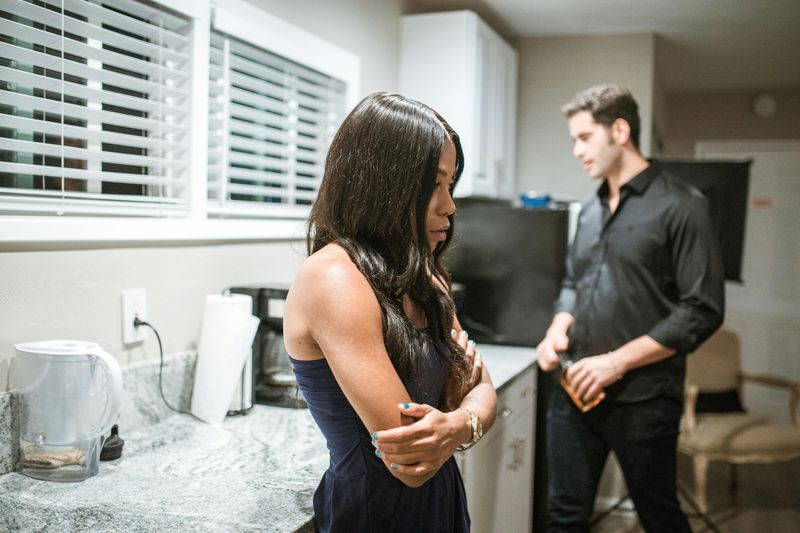
Fear of starting over, financial worries, or judgment from others keeps many women stuck in unhappy marriages far longer than they ever expected.
The longer you stay, the harder it feels to leave, as comfort and routine slowly replace hope and possibility.
But remaining in an unhealthy situation damages your well-being, confidence, and sense of self-worth in ways that become harder to undo.
Many wives later wish they had found the courage to walk away much sooner.
Life on the other side of fear is often far better than staying in misery—choosing your happiness isn’t selfish, it’s survival.
13. Choosing a Partner for Their Potential—Not Who They Are

Hoping someone will change or grow into the person you want them to be is a gamble that rarely pays off.
Patterns established early usually stick around, no matter how much you hope or how patient you try to be.
Many wives believed their partner would mature, become more responsible, or finally prioritize the relationship once life settled down.
Years later, they often realize nothing truly changed.
Accepting someone as they are right now—not who they might become—is essential for long-term happiness.
Building a future on potential instead of reality almost always leads to disappointment, frustration, and regret.
Comments
Loading…