
 Mila Ross
12 Things to Reflect On If You’ve Been Single for a While

Being single for an extended period can feel confusing, especially when everyone around you seems to be pairing up. However, this time alone offers a valuable opportunity to understand yourself better and figure out what you truly want in life and relationships.
Rather than viewing your single status as something negative, consider it a chance to grow, learn, and prepare for healthier connections in the future. Here are twelve important areas worth thinking about as you navigate this chapter of your life.
1. Your Relationship with Yourself
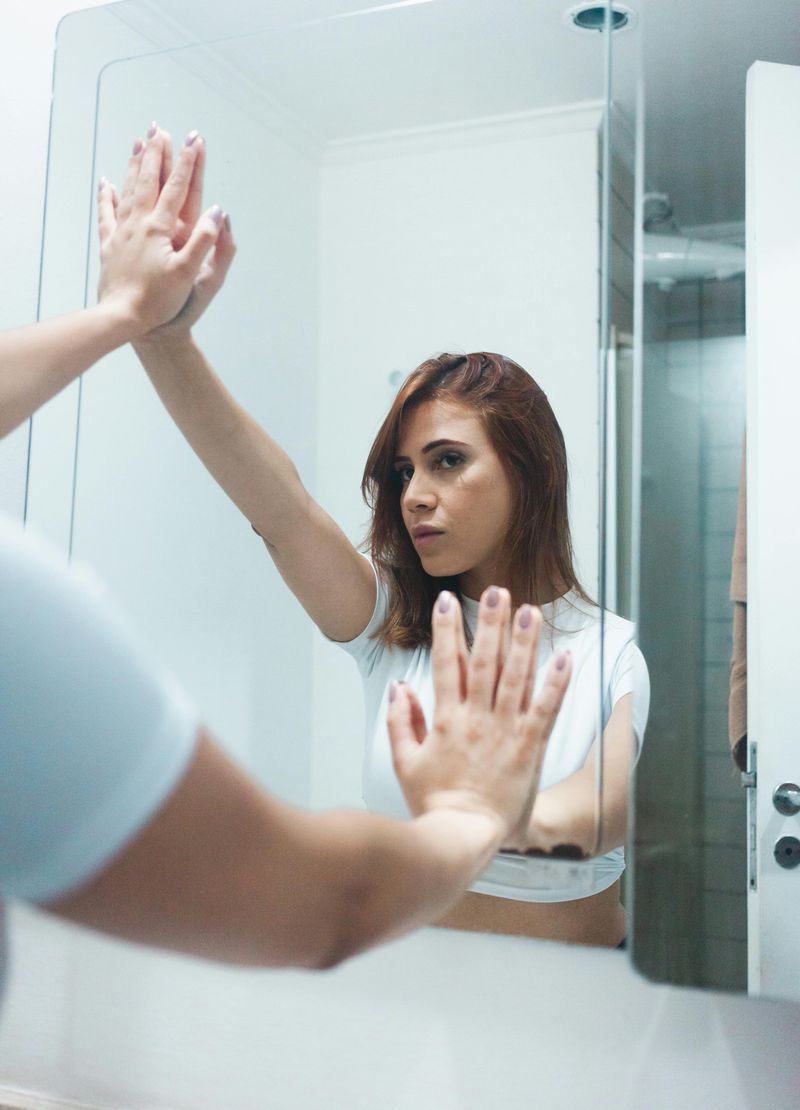
How well do you actually know yourself?
Many people rush from one relationship to another without taking time to understand their own needs, values, and dreams.
Being single gives you the perfect opportunity to build a strong friendship with yourself.
When you’re comfortable being alone, you stop seeking validation from others.
You learn what makes you happy independent of someone else’s opinions.
This self-knowledge becomes your foundation for future relationships.
Think about your hobbies, passions, and the qualities that make you unique.
The better you know yourself, the easier it becomes to find someone who truly complements your life rather than just filling a void.
2. Patterns from Past Relationships

Have you noticed yourself attracted to the same type of person repeatedly?
Looking back at your dating history can reveal surprising patterns you might not have noticed before.
Maybe you always choose people who are emotionally unavailable, or perhaps you ignore red flags early on.
Understanding these patterns helps you break unhealthy cycles.
Write down what went wrong in previous relationships and look for common themes.
Were there warning signs you dismissed?
Did you compromise your values to make things work?
Recognizing these tendencies isn’t about blaming yourself.
Instead, it’s about learning from experience so you can make better choices moving forward and attract healthier partnerships.
3. Your Standards and Deal-Breakers
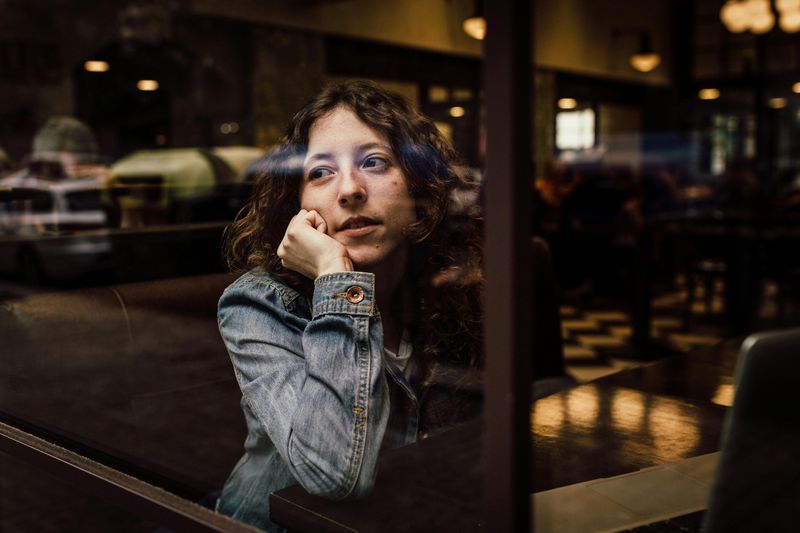
What do you absolutely need in a partner, and what are you unwilling to accept?
Being single allows you to establish clear boundaries without the pressure of an ongoing relationship.
Many people lower their standards when they’re lonely, which leads to disappointing situations.
Create two lists: one for qualities you genuinely need and another for things you won’t tolerate.
Your needs might include honesty, kindness, or shared life goals.
Deal-breakers could be dishonesty, disrespect, or incompatible values.
Having clarity about your standards helps you recognize good matches faster.
You’ll waste less time on people who aren’t right for you and feel more confident saying no when necessary.
4. Fear of Being Alone

Are you avoiding relationships because you’re scared, or are you desperately seeking one because loneliness terrifies you?
Both extremes can prevent you from finding genuine connection.
Fear often drives poor decision-making in romance.
Some people stay single because they’re afraid of getting hurt again.
Others jump into bad relationships simply to avoid being alone.
Neither approach leads to happiness or fulfillment.
Examine your motivations honestly.
If fear controls your choices, consider talking to a counselor or trusted friend.
Learning to be comfortable with yourself, whether single or partnered, creates the foundation for authentic relationships built on desire rather than desperation.
5. Your Social Circle and Support System
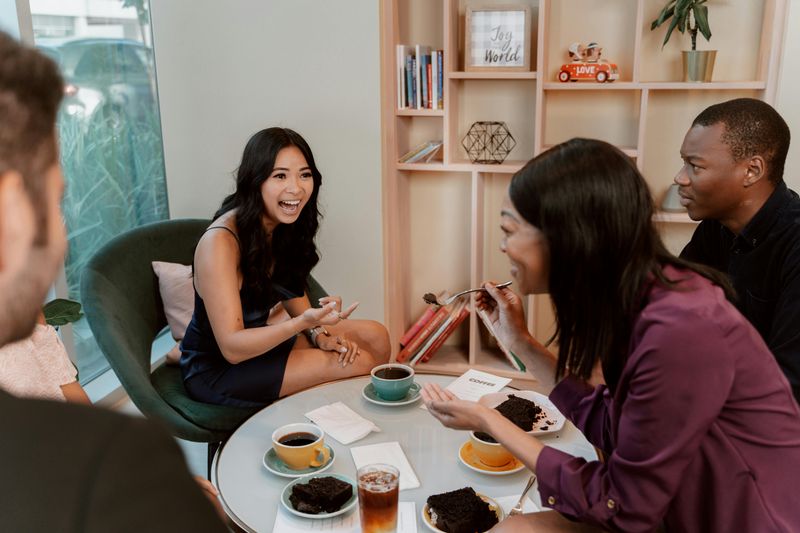
Strong friendships matter just as much as romantic relationships, sometimes even more.
When you’re single for a while, your friends become your primary support system.
Have you been nurturing these important connections, or have you neglected them while searching for romance?
Quality friendships provide emotional support, fun experiences, and different perspectives on life.
They remind you that love comes in many forms beyond romance.
Plus, people with rich social lives tend to be more attractive partners because they’re already fulfilled.
Invest time in your friendships now.
Plan regular hangouts, be there when friends need you, and build a community that enriches your life regardless of your relationship status.
6. Personal Growth and Goals

What dreams have you put on hold waiting for a partner?
Being single offers uninterrupted time to pursue education, career advancement, creative projects, or personal development.
This freedom is actually a gift many coupled people wish they had.
Instead of viewing singleness as waiting time, treat it as your season of growth.
Learn new skills, travel to places you’ve always wanted to visit, or work toward career goals.
Personal accomplishment builds confidence and makes you more interesting.
When you eventually meet someone, you’ll bring a fuller, more developed version of yourself to the relationship.
Partners are attracted to people who have their own passions and pursuits beyond romance.
7. Emotional Availability and Healing

Past hurts don’t disappear just because you want them to.
Unresolved pain from previous relationships, family issues, or personal trauma can sabotage future connections.
Are you truly ready for a healthy relationship, or do you still have healing work to do?
Emotional baggage affects how you show up in relationships.
You might build walls to protect yourself, push people away when they get close, or project past issues onto new partners who don’t deserve it.
Consider whether therapy, journaling, or honest conversations with trusted friends might help you process old wounds.
Taking time to heal isn’t delaying your love life; it’s preparing yourself for something real and lasting.
8. Where and How You’re Meeting People

Complaining about being single while doing nothing to meet new people doesn’t make much sense.
Where are you actually going to encounter potential partners?
If your routine involves only work and home, your options remain extremely limited.
Expand your social world by trying new activities, joining clubs, attending community events, or exploring online dating with intention.
Go places where you might meet people who share your interests and values.
Meeting people requires some effort and stepping outside your comfort zone.
Say yes to invitations, strike up conversations, and be open to connections developing naturally.
Sometimes love finds you when you’re busy living an interesting, engaged life.
9. Your Communication Skills

Can you express your feelings clearly and listen without getting defensive?
Good relationships require strong communication, yet many people never learn these essential skills.
Your single time is perfect for developing better ways to express yourself and understand others.
Practice active listening with friends and family.
Work on stating your needs directly instead of hinting or expecting people to read your mind.
Learn to handle disagreements without attacking or shutting down.
Books, videos, or even communication workshops can teach you techniques that transform how you connect with others.
When you do enter a relationship, these skills will help you build something healthy and lasting.
10. Realistic Expectations About Relationships

Movies, social media, and romance novels create unrealistic pictures of what relationships actually look like.
Do you expect constant passion, a partner who completes you, or love that solves all your problems?
These fantasies set you up for disappointment.
Real relationships involve compromise, boring moments, disagreements, and two imperfect people choosing each other daily.
No partner will make you whole or fix your insecurities.
That’s your job.
Adjusting your expectations doesn’t mean settling.
It means understanding that healthy love is built through effort, communication, and commitment, not just magical chemistry.
When you expect reality instead of fantasy, you’ll appreciate genuine connection more.
11. Your Independence and Identity

Who are you when you’re not part of a couple?
Some people lose themselves completely in relationships, abandoning hobbies, friends, and personal interests.
Building a strong individual identity now prevents that unhealthy pattern.
Develop interests and routines that belong only to you.
Maintain friendships your future partner won’t share.
Create a life you genuinely enjoy living, whether you’re single or partnered.
Partners should enhance your life, not become your entire existence.
When you have a solid sense of self, you bring more to relationships and maintain healthy boundaries.
You’ll choose partners who respect your independence rather than demanding you sacrifice it.
12. Whether You’re Actually Ready

Sometimes the universe keeps you single because you’re not ready yet, even if you think you are.
Readiness isn’t just about wanting a relationship; it’s about having the emotional maturity, self-awareness, and stability to build something healthy with another person.
Ask yourself honestly: Can you handle conflict maturely?
Do you know what you want?
Have you healed from past hurts?
Are you emotionally available and willing to be vulnerable?
If the answer to these questions is no, that’s okay.
Use this time to prepare yourself.
When you’re truly ready, you’ll approach relationships differently, make better choices, and attract partners who match your growth.
Patience with yourself pays off.
Comments
Loading…