
 Hailey Watson
12 Things Husbands Say They’re Tired of in Marriage

Marriage takes work from both partners, and sometimes frustrations can build up over time.
Many husbands have shared common concerns that wear them down in their relationships.
Understanding these issues can help couples communicate better and create stronger, happier marriages together.
1. Constant Criticism

Nobody likes feeling judged all the time, especially in their own home.
When every action gets picked apart, from how dishes are loaded to how work is handled, exhaustion sets in quickly.
Criticism becomes a heavy weight that crushes confidence and creates distance.
Men often shut down emotionally when they feel constantly evaluated and found lacking.
Healthy relationships need constructive feedback, not daily fault-finding.
Partners should build each other up rather than tear each other down.
Finding balance between honest communication and appreciation makes all the difference in keeping love alive.
2. Feeling Unappreciated

Working hard every day only to have your efforts go unnoticed.
Many husbands feel invisible when their contributions become expected rather than valued.
Whether providing financially, fixing things around the house, or helping with kids, acknowledgment matters.
A simple thank you can transform someone’s entire outlook on their efforts.
Taking people for granted is one of the fastest ways to damage a relationship.
When appreciation disappears, resentment quietly grows in its place.
Expressing gratitude regularly keeps the connection strong and reminds partners why they fell in love originally.
3. Harsh Communication

Words carry tremendous power to heal or harm.
Sharp tones and irritated responses, even about small matters, create an emotionally unsafe environment that wears down trust.
Husbands often withdraw when conversations feel like battlegrounds.
The way something is said matters just as much as what is actually being communicated between partners.
Speaking with kindness doesn’t mean avoiding difficult topics entirely.
Respectful dialogue allows both people to feel heard and valued.
Softening your approach can turn potential fights into productive conversations that actually solve problems instead of creating new ones.
4. Imbalanced Responsibilities

Carrying more than your fair share eventually leads to burnout.
When one partner consistently handles most responsibilities without reciprocal effort, resentment builds like pressure in a volcano.
Marriage should be a team effort where both people contribute meaningfully.
Whether it’s childcare, housework, or emotional labor, balance matters tremendously for long-term happiness.
Discussing expectations openly helps prevent this imbalance from developing.
Regular check-ins about who’s doing what can reveal hidden inequalities.
Adjusting responsibilities based on changing circumstances shows respect and keeps the partnership feeling genuinely equal and supportive.
5. Emotional Neglect

Men have feelings too, though society often discourages them from expressing vulnerability.
When husbands’ emotional needs go unacknowledged, they can feel invisible and isolated even while sharing a home.
Emotional fatigue is real and deserves recognition just like physical exhaustion.
Ignoring a partner’s struggles creates walls that become harder to break down over time.
Checking in regularly about how your spouse is truly feeling strengthens your bond.
Active listening without immediately trying to fix everything shows genuine care.
Creating space for emotional honesty helps both partners feel seen, valued, and connected.
6. Unfair Comparisons

Being compared to others, especially family members, cuts deep into self-esteem.
Statements like “You’re just like your father” or “Why can’t you be more like…” undermine a husband’s sense of worth.
Everyone wants to be valued for who they are, not measured against someone else’s standard.
Comparisons breed resentment and make people feel inadequate no matter how hard they try.
Focusing on your partner’s unique strengths builds confidence and connection.
If concerns exist, address them directly rather than through hurtful comparisons.
Celebrating individuality rather than demanding conformity creates healthier, more authentic relationships.
7. Mind-Reading Expectations

“You should just know what I need” is an impossible standard that sets everyone up for failure.
Husbands aren’t psychic, and expecting them to read minds creates unnecessary frustration for both partners.
Clear communication prevents countless misunderstandings and arguments.
Dropping hints instead of stating needs directly leads to disappointment when those unspoken wishes go unfulfilled.
Being direct about wants and needs isn’t demanding or unromantic.
It’s practical and respectful of your partner’s limitations.
When both people communicate openly, relationships run smoother and everyone feels more satisfied with the outcomes.
8. Disrespectful Treatment

Respect forms the foundation of every healthy relationship.
When husbands’ thoughts and opinions get dismissed or mocked, trust erodes rapidly and connection suffers tremendously.
Demeaning comments, eye rolls, or public put-downs damage relationships in ways that apologies struggle to repair.
Everyone deserves to feel valued and heard by their life partner.
Disagreements will happen, but they should never include personal attacks or belittling behavior.
Maintaining respect even during conflicts shows maturity and commitment.
Treating your spouse with dignity, especially when you disagree, keeps the relationship strong through challenging times.
9. Lack of Physical Affection

Physical connection matters beyond the bedroom.
Simple gestures like holding hands, unexpected hugs, or spontaneous kisses communicate love in powerful ways that words sometimes can’t capture.
When affection disappears, husbands can feel rejected and unwanted.
Touch is a fundamental human need that keeps couples feeling bonded and appreciated throughout their years together.
Making small physical connections throughout the day strengthens emotional intimacy.
A quick kiss before work or hand-holding during walks costs nothing but means everything.
Prioritizing physical affection keeps the spark alive and reminds both partners they’re loved.
10. Housework Over Husband

A spotless house means nothing if the relationship crumbles from neglect.
When cleaning and organizing consistently take priority over spending quality time together, husbands feel less important than the furniture.
Balance between maintaining a home and nurturing the relationship is essential.
Perfection in housekeeping shouldn’t come at the cost of connection with your spouse.
Sometimes dirty dishes can wait while you share a conversation or laugh together.
Memories get made with people, not with perfectly organized closets.
Adjusting priorities to include relationship time alongside household tasks creates a warmer, happier home for everyone.
11. Avoiding Conflict Resolution
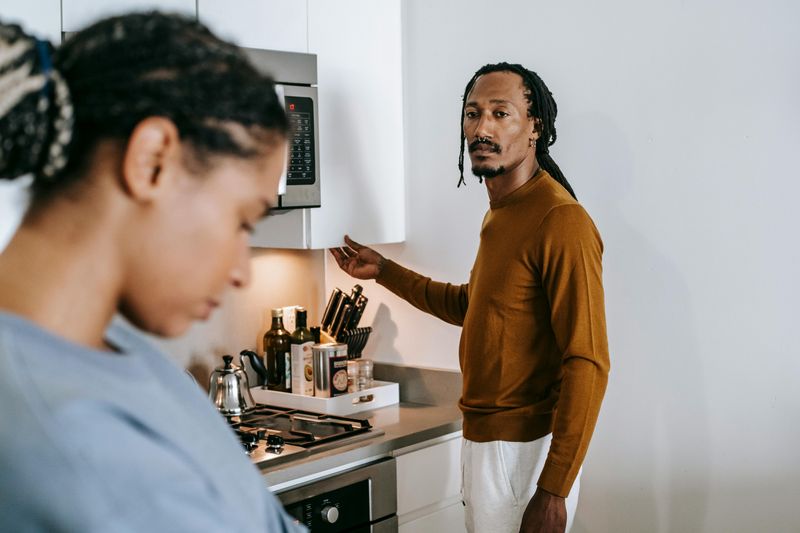
Walking away or giving the silent treatment during disagreements prevents problems from getting solved.
Husbands grow weary when issues get buried instead of addressed, creating emotional distance that widens over time.
Healthy couples work through conflicts rather than avoiding them entirely.
Shutting down during arguments leaves problems festering beneath the surface, poisoning the relationship slowly but surely.
Learning to stay engaged during difficult conversations, even when uncomfortable, leads to real solutions.
Taking breaks is fine, but completely avoiding resolution creates resentment.
Facing issues together, with patience and respect, actually strengthens bonds instead of weakening them.
12. Broken Trust

Trust is like glass—once shattered, it never quite looks the same again.
Financial dishonesty, emotional affairs, or repeated lies destroy the foundation marriages are built upon, making recovery incredibly difficult.
Husbands tire of constantly wondering if they’re being told the truth.
Living with suspicion is exhausting and prevents genuine intimacy from flourishing between partners.
Rebuilding trust requires consistent honesty, transparency, and time.
Prevention is far easier than repair, so protecting trust through integrity should be a daily priority.
When trust exists, everything else in marriage becomes easier and more fulfilling for both people involved.
Comments
Loading…