
 Isabel Parker
12 Subtle Ways People Compete With Their Friends

Friendships are built on trust, laughter, and shared experiences, but sometimes there’s an underlying current of competition that neither person wants to admit. From subtle one-upmanship to quiet comparisons, these behaviors can sneak into even the closest relationships.
Recognizing these patterns helps us understand our own motivations and build healthier connections with the people we care about.
1. Social Media One-Upmanship

Ever notice how someone always posts a better vacation photo right after you share yours?
Social media has become the ultimate stage for subtle competition between friends.
When one person shares a milestone or achievement, another might feel compelled to post something even more impressive.
This behavior stems from wanting validation and fearing being left behind.
People scroll through feeds comparing their lives to others, which creates anxiety.
Instead of celebrating each other’s wins, some friends turn every post into a chance to prove they’re doing better.
The constant need to outshine others online can damage real-world friendships.
Genuine connections require supporting each other rather than competing for likes and comments.
2. Career Achievement Comparisons

Promotions, raises, and job titles become silent battlegrounds among friends who work in similar fields.
When someone announces a career win, others might downplay it or quickly shift the conversation to their own professional accomplishments.
This creates an uncomfortable atmosphere where people feel they can’t fully celebrate their successes.
The workplace comparison trap often starts innocently with casual conversations about work.
Soon, every discussion turns into an unspoken contest about who’s climbing the ladder faster.
Friends begin measuring their worth by job status rather than personal growth or happiness.
True friendship means cheering for each other’s victories without feeling threatened.
Career paths look different for everyone, and success isn’t a race with a single finish line.
3. Relationship Status Rivalry

Some friends can’t help but compare their romantic lives, turning love into a competition.
Whether it’s who gets engaged first, who has the more romantic partner, or whose wedding is fancier, these comparisons create unnecessary pressure.
Single friends might feel judged, while those in relationships face constant scrutiny.
This rivalry intensifies during major life events like engagements or anniversaries.
Friends might exaggerate how perfect their relationships are or subtly criticize others’ partners.
The truth is, every relationship faces challenges, but competition makes people hide their struggles.
Healthy friendships celebrate all relationship statuses without judgment.
Being single, dating, or married doesn’t determine anyone’s value or happiness level in life.
4. Parenting Style Judgments

Parents often find themselves in unspoken competitions with friends who have kids.
From whose child walked first to which parenting method is superior, these comparisons create stress and self-doubt.
Every choice becomes a statement about who’s the better parent, even when nobody says it out loud.
Playground conversations can quickly turn into subtle bragging sessions about developmental milestones and achievements.
Friends might judge each other’s discipline strategies, food choices, or screen time rules.
This competitive atmosphere makes parents feel isolated rather than supported.
Raising children is challenging enough without adding friendship competition to the mix.
Every family is unique, and what works for one might not work for another, which is perfectly okay.
5. Fitness and Appearance Contests

Gym memberships and diet plans can become weapons in subtle friendship competitions.
When one friend starts a fitness journey, others might feel pressured to prove they’re equally committed to health.
Comments about weight loss, muscle gain, or workout routines turn into veiled comparisons about who looks better or tries harder.
This competition extends beyond the gym to clothing choices, hairstyles, and overall appearance.
Friends might offer unsolicited advice or backhanded compliments that highlight their own perceived superiority.
The constant scrutiny makes people feel insecure rather than encouraged.
Bodies and fitness levels vary tremendously between individuals.
Supporting each other’s health goals without comparison creates stronger, more authentic friendships that last.
6. Financial Success Displays

Money talks, and some friends make sure everyone hears it.
Designer handbags, expensive cars, and luxury vacations become status symbols used to establish dominance within friend groups.
People drop hints about their salaries, home values, or investment portfolios to prove they’re financially ahead.
This competition often masks deeper insecurities about self-worth and accomplishment.
Friends might feel pressure to spend beyond their means to keep up appearances.
The focus shifts from genuine connection to material comparison, which hollows out the friendship’s foundation.
Financial situations differ based on countless factors beyond anyone’s control.
Real friends respect each other’s circumstances without judgment or show-off behavior that creates division and resentment.
7. Educational Accomplishments Bragging

Degrees, certifications, and academic achievements can fuel quiet competitions between friends.
Someone might casually mention their advanced degree or prestigious university whenever possible, making others feel less intelligent or accomplished.
These conversations rarely feel like genuine sharing and more like establishing intellectual hierarchy.
The competition intensifies when friends pursue similar educational paths or career fields.
Every test score, honor, or recognition becomes ammunition in an unspoken battle.
People forget that intelligence comes in many forms beyond traditional academic measures.
Learning is a lifelong journey that looks different for everyone.
Education matters, but using it to make friends feel inferior damages relationships and reveals personal insecurity issues.
8. Travel Experience Rivalry

Passport stamps become badges of honor in the modern friendship competition.
When one friend returns from an exotic destination, another immediately plans an even more adventurous trip.
Conversations turn into subtle contests about who’s been to more countries or had more authentic experiences abroad.
This rivalry makes travel feel like an obligation rather than a joy.
Friends exaggerate their adventures or dismiss others’ trips as too touristy or common.
The focus shifts from creating memories to collecting destinations that impress people.
Travel enriches life regardless of where you go or how often.
Weekend road trips hold just as much value as international adventures when measured by personal growth and happiness.
9. Home and Lifestyle Upgrades

House hunting turns competitive when friends start comparing square footage, neighborhoods, and interior design choices.
Every home improvement project becomes an opportunity to showcase superior taste or bigger budgets.
Friends might visit each other’s homes and make subtle comments that highlight their own living situations as better.
This extends to furniture, decorations, and even appliances that become status symbols.
Social media posts featuring beautifully staged rooms create pressure to constantly upgrade.
The joy of making a house a home gets lost in the race to have the most impressive space.
Living spaces should reflect personal needs and preferences, not impress friends.
Comfort and functionality matter more than keeping up with interior design trends or outspending others.
10. Social Circle Popularity
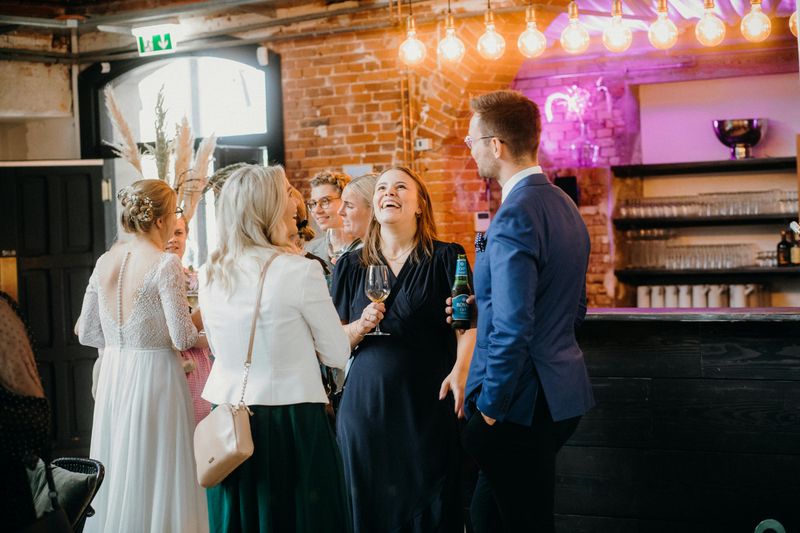
Some friends compete over who has more connections, better party invites, or closer relationships with mutual acquaintances.
They might name-drop frequently or casually mention exclusive events they attended.
This behavior stems from equating social status with personal worth, which creates shallow friendships.
The competition can turn petty when friends try to exclude each other from gatherings or form alliances within larger groups.
People keep score of who gets invited where and feel hurt when they’re left out.
Friendships become transactional rather than genuine.
Quality relationships matter far more than quantity of social connections.
Having a few close friends who truly care beats having hundreds of acquaintances who barely know you.
11. Talent and Hobby Superiority

Hobbies should bring joy, but they sometimes become arenas for friend competition.
Whether it’s cooking, painting, sports, or music, people turn leisure activities into contests about who’s more talented or dedicated.
Someone might dismiss a friend’s new interest or immediately try to prove they’re better at it.
This competitive attitude discourages people from trying new things or sharing their creative work.
Friends become critics rather than cheerleaders, pointing out flaws instead of celebrating effort.
The fun drains out of hobbies when everything feels like a performance being judged.
Everyone starts somewhere, and skills develop at different paces.
Encouraging friends to explore their interests without comparison creates an environment where everyone can grow and enjoy themselves freely.
12. Personal Growth and Wellness Battles

Self-improvement has become another competition zone where friends compare meditation practices, therapy progress, and personal development journeys.
Someone might brag about their morning routine, book collection, or how much they’ve grown emotionally.
These conversations feel more like performance than genuine sharing.
The wellness industry feeds this competition with endless trends and products to buy.
Friends might judge each other’s choices or suggest their methods are superior.
Personal growth becomes about appearing enlightened rather than actually developing as a person.
Everyone’s healing and growth journey is deeply personal and shouldn’t be compared.
True progress happens internally and doesn’t require external validation or competition with friends to prove its worth.
Comments
Loading…