
 Isabel Parker
12 Romantic Behaviors That Aren’t Actually Romantic

We’ve all seen those grand romantic gestures in movies and read about them in novels. They look amazing on screen, but in real life, some of these so-called romantic behaviors can actually be uncomfortable, unhealthy, or even creepy. Understanding the difference between genuine love and problematic patterns helps us build better, healthier relationships.
1. Showing Up Unannounced
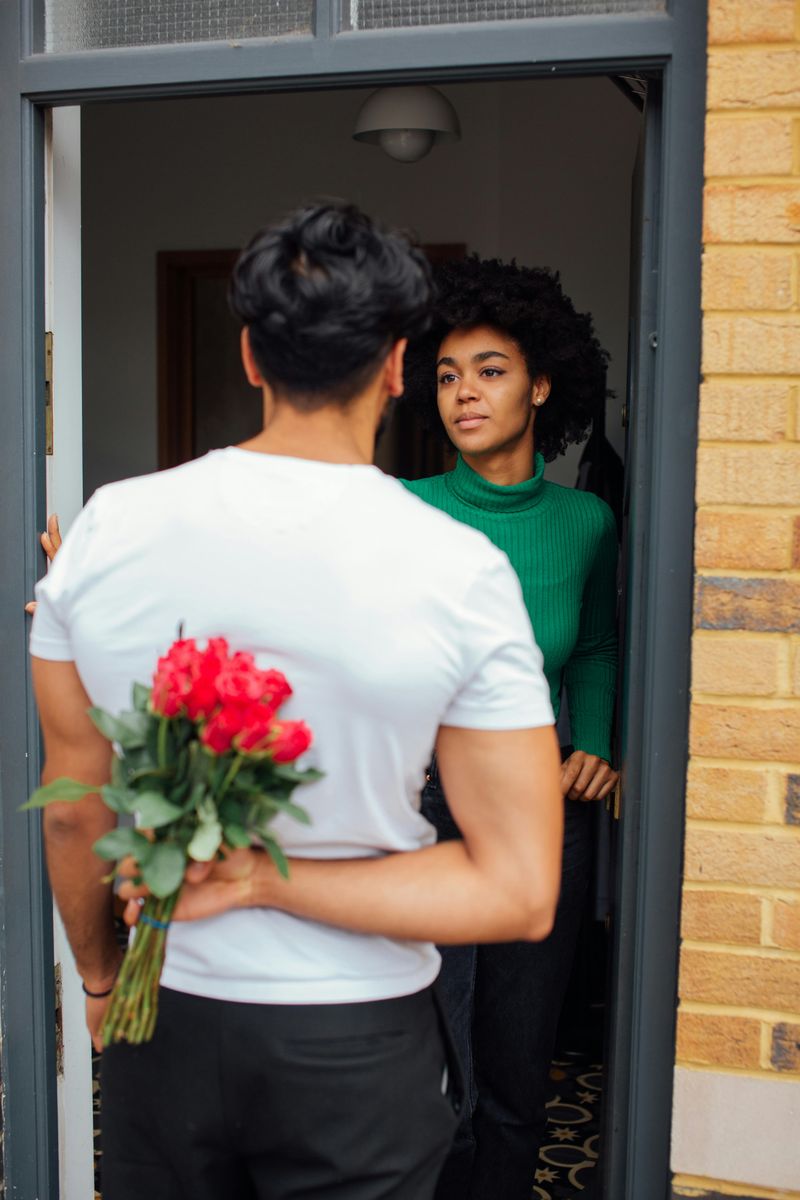
Surprise visits might seem sweet in romantic comedies, but they’re actually invasive.
Everyone needs personal space and time to themselves.
When someone drops by without warning, it shows they’re not respecting your schedule or boundaries.
You might be busy, not feeling well, or simply need alone time.
Real romance involves communication and respect.
A thoughtful partner will text or call first.
Healthy relationships require both people to have their own lives outside the relationship.
Respecting each other’s time and space is essential.
If someone truly cares, they’ll ask before showing up at your door.
2. Constant Texting and Calling

Getting a text from someone you like feels great. Getting fifty texts feels overwhelming and controlling.
When someone demands constant communication, they’re not showing love—they’re showing possessiveness.
Everyone needs time to work, study, hang out with friends, or just relax without their phone.
Partners who respect you understand you have a life beyond them.
They won’t panic if you don’t respond immediately.
Excessive contact often masks insecurity or trust issues.
It’s exhausting trying to keep up with someone who needs constant attention.
Quality matters more than quantity in communication.
3. Jealousy as Proof of Love

Some people think jealousy means someone cares deeply.
Actually, it signals insecurity and control.
A jealous partner might get upset when you talk to friends, dress nicely, or spend time without them.
This behavior stems from fear and lack of trust, not affection.
Healthy love involves trusting your partner to have other relationships and interests.
Possessiveness suffocates rather than nurtures.
Real confidence means supporting your partner’s friendships and activities.
Nobody should have to limit their life to make someone else feel secure.
Trust forms the foundation of lasting relationships, not jealousy.
4. Grand Public Displays Without Consent

Flash mobs, public proposals, and surprise declarations might look magical in videos.
For many people, they’re actually nightmares.
Public gestures put enormous pressure on someone to respond positively, even if they’re uncomfortable.
Not everyone enjoys being the center of attention.
These displays often prioritize the performer’s desires over their partner’s comfort.
Some people feel trapped into saying yes because everyone’s watching.
Truly romantic gestures consider what your partner actually enjoys.
Private, thoughtful moments often mean more than public spectacles.
Know your partner’s preferences before planning anything involving crowds.
5. Love Bombing Early On

Receiving constant compliments, gifts, and attention feels amazing at first.
When it happens too fast, though, it’s usually a red flag.
Love bombing is when someone overwhelms you with affection early in a relationship.
They might say they love you after just days or shower you with expensive presents.
This intense behavior often precedes controlling or manipulative actions.
Once you’re attached, the person may become demanding or change completely.
Genuine relationships develop gradually over time.
Real love grows through getting to know someone, not instant obsession.
Be cautious of anyone who seems too perfect too quickly.
6. Tracking Your Location

Apps that share locations can be useful for safety during travel.
Using them to monitor your partner constantly is surveillance, not romance.
When someone insists on knowing your whereabouts every minute, they’re exhibiting controlling behavior.
This shows they don’t trust you to be honest about where you are.
Privacy matters even in committed relationships.
You shouldn’t have to prove your innocence by sharing your location 24/7.
Partners who truly care will respect your autonomy.
Constant tracking creates anxiety and resentment instead of closeness.
Healthy relationships are built on trust, not surveillance technology.
7. Ignoring When You Say No
Persistence in movies often wins the day.
In reality, ignoring someone’s no is disrespectful and potentially dangerous.
When you decline a date or say you need space, a respectful person accepts it.
Someone who keeps pushing, begging, or trying to change your mind doesn’t respect your decisions.
This behavior suggests they value what they want over your feelings.
No means no, whether it’s about dates, physical affection, or anything else.
Healthy partners honor your boundaries immediately.
Pressure tactics are manipulation, not romance.
Anyone who truly cares will respect your choices without argument.
8. Wanting to Change You

Someone who claims they’ll love you if you just change certain things doesn’t actually love you.
They love an imaginary version of you.
Real affection accepts people as they are, flaws included.
Partners who constantly criticize your appearance, interests, or personality are being controlling.
Suggestions disguised as concern—like commenting on your weight or clothes—aren’t helpful.
They chip away at your self-esteem.
Growth happens naturally in healthy relationships, not through pressure.
The right person will appreciate who you are right now.
Never change yourself to earn someone’s love or approval.
9. Isolating You From Friends and Family

Partners who want you all to themselves might seem devoted initially.
Gradually cutting you off from loved ones is actually a major warning sign.
Isolation tactics start subtly—complaining about your friends, acting hurt when you make plans without them, or creating drama before family events.
Eventually, you might find yourself alone except for this one person.
Healthy relationships encourage outside connections.
Your partner should want you to maintain friendships and family bonds.
Abusers isolate victims to maintain control.
Strong relationships enhance your life without replacing everyone in it.
Keep your support network strong and active.
10. Moving Too Fast

Whirlwind romances make exciting stories.
In practice, rushing into serious commitment often leads to problems.
When someone wants to move in together, get married, or make major life decisions after only weeks or months, they’re not being romantic.
They’re being impulsive.
Strong foundations take time to build.
You need to see how someone handles stress, disagreements, and everyday life before making huge commitments.
Pressure to speed things up might mean they’re trying to lock you in before you see their true colors.
Take your time getting to know someone.
Lasting love develops gradually, not overnight.
11. Dramatic Emotional Reactions
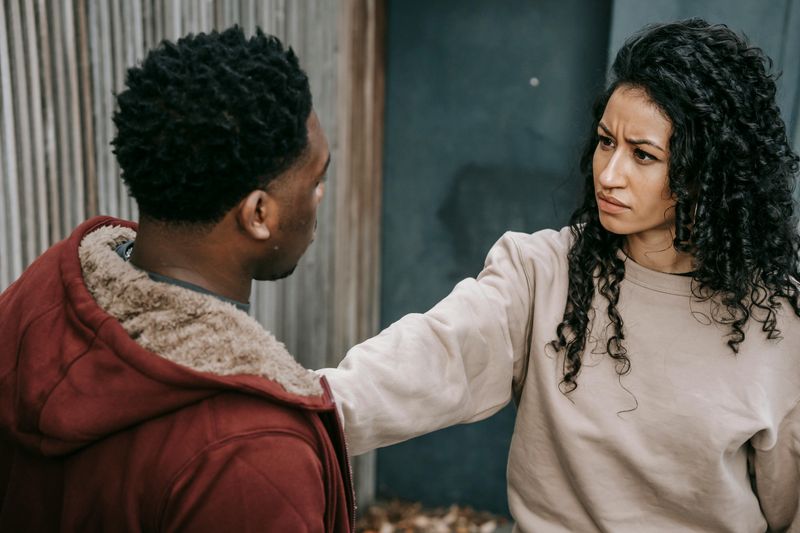
While cinema celebrates fiery emotional moments, real-life partners find continual conflict and big reactions tiring.
Someone who threatens to hurt themselves if you leave, cries excessively over small issues, or creates emotional chaos isn’t showing deep feelings.
They’re being manipulative.
These tactics make you responsible for managing their emotions.
You’ll find yourself walking on eggshells to avoid triggering another scene.
Mature love involves emotional stability and healthy communication.
Partners should discuss problems calmly, not through theatrical displays.
Drama is entertaining on screen but damaging in real life.
12. Expecting Mind Reading

The idea that true love means knowing what your partner wants without asking sounds magical.
It’s actually impossible and unfair.
Nobody can read minds, no matter how much they care.
Partners who get upset because you didn’t anticipate their unstated needs are setting you up to fail.
Healthy communication means expressing your wants, needs, and feelings clearly.
Expecting someone to just know creates resentment and misunderstanding.
Good relationships involve talking openly about expectations.
Guessing games lead to disappointment on both sides.
Use your words instead of expecting telepathy from your partner.
Comments
Loading…