
 Isabel Parker
12 Harsh Truths About Loving Someone Who Lacks Empathy

Loving someone who lacks empathy can feel like speaking a language no one else understands.
You share your feelings, but they seem to vanish into silence or misunderstanding.
This emotional gap creates a unique kind of loneliness that many people face but few openly discuss.
Understanding these harsh truths can help you navigate the challenges and decide what’s best for your well-being.
1. Emotional Disconnect Is Real and Frequent

When your partner can’t pick up on your emotional cues, it creates a constant sense of being misunderstood.
You might express sadness or excitement, only to receive a blank stare or an unrelated response.
This isn’t just an occasional mishap—it happens repeatedly.
People with low empathy struggle to read facial expressions, tone of voice, or body language that others naturally interpret.
What feels obvious to you remains invisible to them.
Over time, these missed connections pile up and create emotional distance.
The frustration grows because you keep hoping they’ll eventually understand, but the pattern continues.
Recognizing this as a consistent challenge rather than a one-time issue helps set realistic expectations for your relationship.
2. Their Emotional Response May Feel Absent or Superficial

Imagine sharing something deeply personal, only to get a shrug or a quick “that’s tough” in response.
Moments that deserve genuine emotional connection instead feel hollow and dismissive.
Their reactions don’t match the weight of what you’re experiencing.
Without empathy, people often respond in ways that seem emotionally flat or inappropriate.
They might laugh when you need comfort or stay silent when you need reassurance.
This mismatch isn’t always intentional rudeness—it’s a genuine inability to connect with your emotional state.
You start questioning whether they care at all, even though the real issue is their limited emotional range.
These superficial responses leave you feeling unseen and unheard in moments that matter most.
3. Relationship Trust Is Hard to Build and Maintain

Trust grows when you feel understood and supported, but empathy is the foundation of that safety.
When your partner can’t tune into your emotions, you never quite feel secure enough to be vulnerable.
Every time you open up, there’s a risk of being met with indifference.
Emotional safety requires someone to recognize when you’re hurting and respond with care.
Without that recognition, you’re left protecting yourself even within the relationship.
You hold back because past experiences taught you that sharing doesn’t lead to comfort.
Building trust becomes an uphill battle when your emotional needs consistently go unmet.
The relationship lacks the mutual understanding that allows trust to flourish naturally over time.
4. You’ll Often Feel Alone With Them

There’s a special kind of loneliness that comes from being with someone who doesn’t reflect or validate your feelings.
You can be physically together yet emotionally miles apart.
This isolation feels worse than being actually alone because you expect connection from a partner.
When you share joy, sadness, or fear and receive no emotional echo, it creates a void.
You realize you’re carrying your emotional world entirely by yourself.
The person beside you isn’t joining you in those experiences.
This emotional solitude wears you down over time.
You might find yourself seeking emotional support from friends or family instead, which creates its own complications.
The relationship becomes a place where you coexist but don’t truly connect.
5. Low Empathy Isn’t Always Intentional—but It Still Hurts

Some people genuinely can’t access empathy the way others do.
Conditions like alexithymia make it difficult to identify and understand emotions—both their own and others’.
Personality traits and brain differences play a real role in empathy capacity.
Knowing their lack of empathy isn’t deliberate doesn’t erase the pain it causes.
You still feel dismissed and hurt when your emotions aren’t acknowledged.
Intent matters, but impact matters more when you’re the one suffering.
Understanding the why behind their behavior can bring some compassion, but it doesn’t fix the problem.
You’re left balancing sympathy for their limitations with the very real damage to your emotional well-being.
6. Conflict Escalates Because Emotional Needs Go Unmet
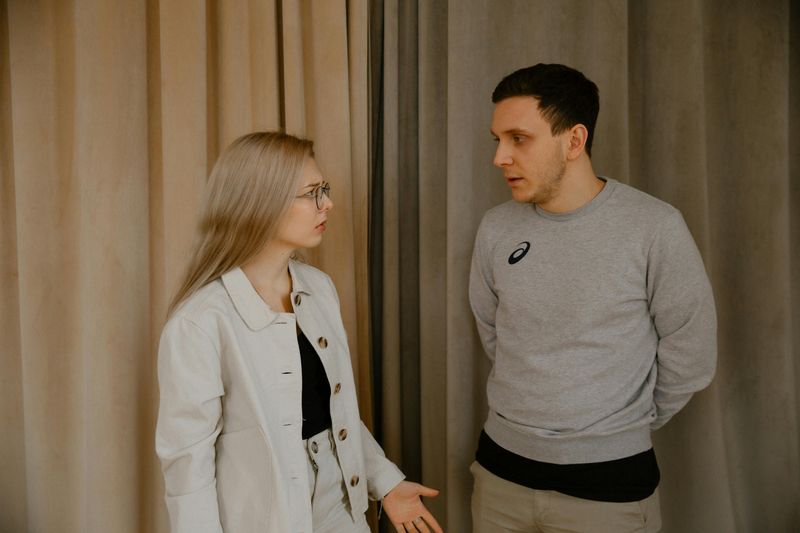
Arguments become circular nightmares when empathy is missing.
You explain how something hurt you, but your partner can’t grasp why it matters.
Without understanding your emotional perspective, they can’t offer meaningful resolution.
Empathy helps people see conflict from multiple angles and find compromise.
When one person lacks this ability, disagreements spiral without progress.
The same fights replay endlessly because the core emotional issue never gets addressed.
You grow exhausted from explaining your feelings repeatedly with no breakthrough.
Meanwhile, your partner might feel frustrated too, confused about why you’re still upset.
The absence of empathy creates a deadlock that damages the relationship with each unresolved conflict.
7. You May Internalize Their Lack of Response

When emotional bids for connection consistently fail, you start wondering if you’re the problem.
Maybe you’re too sensitive, too demanding, or asking for too much.
Self-blame creeps in because it feels easier to control than accepting your partner’s limitations.
You begin questioning your own emotional validity rather than recognizing the empathy gap exists in their capacity, not your worthiness.
This internalization damages your self-esteem over time.
You shrink your emotional needs to avoid the pain of rejection.
The truth is, your feelings are legitimate regardless of whether your partner can understand them.
Their cognitive and affective limitations don’t diminish your emotional reality.
Recognizing this distinction protects your sense of self.
8. Your Emotional Growth Can Be Stunted

Healthy relationships support emotional development through a process called co-regulation.
You learn to manage emotions better by experiencing how your partner responds to and validates your feelings.
When empathy is absent, this growth process stalls.
You miss out on the emotional mirroring that helps you understand and process your own experiences.
Instead of developing emotional skills together, you’re stuck managing everything alone.
Your emotional vocabulary and resilience don’t expand the way they would with an empathetic partner.
Over time, you might notice you’re not growing emotionally within the relationship.
The partnership becomes a place where your emotional development is paused rather than nurtured and encouraged forward.
9. Their Lack of Empathy Might Be Linked to Personality Traits

Callous-unemotional traits represent a persistent pattern of disregarding others’ feelings rather than occasional insensitivity.
These characteristics run deeper than simple thoughtlessness or distraction.
They’re woven into how the person fundamentally relates to others.
Recognizing this as a personality pattern rather than a temporary behavior helps you understand what you’re dealing with.
It’s not something that will change with the right conversation or enough patience.
The trait is stable and consistent across situations.
This realization can be both clarifying and devastating.
You finally understand why your efforts haven’t created change, but you also face the reality that meaningful improvement is unlikely without significant intervention or personal motivation from them.
10. Love Alone Can’t Fill the Empathy Gap
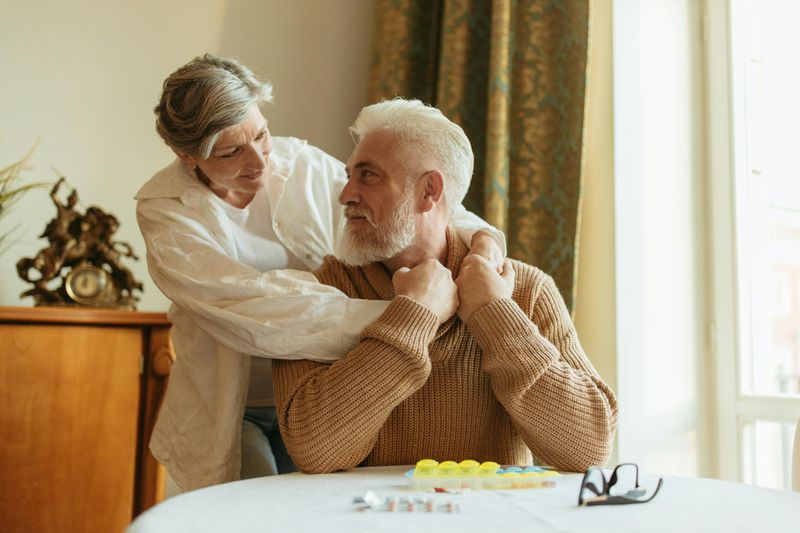
You can love someone with your whole heart and still suffer in the relationship.
Love and empathy are related but distinct—you can have one without the other.
Your deep feelings don’t magically grant them the ability to understand your emotional experiences.
Many people stay in painful relationships believing love will eventually bridge the gap.
They think if they just love hard enough, their partner will learn to respond empathetically.
Unfortunately, empathy deficits don’t respond to the intensity of your affection.
This truth hurts because we’re taught that love conquers all.
In reality, love provides motivation but not capability.
Your partner needs actual empathy skills, not just your love, to meet your emotional needs.
11. You May Need to Set Strong Boundaries to Protect Yourself

When emotional validation isn’t available, protecting yourself becomes essential.
Strong boundaries help you maintain your emotional health even when your partner can’t provide support.
This means limiting what you share or how much you expect from them emotionally.
Setting boundaries with someone you love feels counterintuitive, but it’s necessary for self-preservation.
You decide which emotional needs you’ll meet elsewhere and what you’ll stop requesting from your partner.
These limits reduce disappointment and protect your well-being.
Research and expert guidance consistently emphasize boundaries when empathy is absent.
It’s not giving up on the relationship—it’s creating a sustainable way to remain in it without constantly being hurt by unmet emotional needs.
12. In Some Cases, Professional Support Is Necessary

Long-term empathy deficits often stem from deeper psychological patterns that require professional intervention.
Couples therapy provides tools and strategies for navigating these challenges that you can’t develop alone.
A trained therapist understands the complexity of empathy issues.
Individual counseling also helps you process the emotional impact of being in such a relationship.
You need support to maintain your mental health and make informed decisions about your future.
Professional guidance offers perspective you can’t achieve from inside the situation.
Seeking help isn’t admitting failure—it’s recognizing the seriousness of the issue.
Many couples find therapy essential for either improving the relationship or helping them separate healthily.
Either way, professional support provides clarity and direction forward.
Comments
Loading…