
 Isabel Parker
12 Common Red Flags That Define Bad Wife Material

Finding the right life partner is one of the most important decisions you’ll ever make.
While nobody is perfect, certain patterns of behavior can signal serious problems in a long-term relationship.
Recognizing these warning signs early can save you from years of unhappiness and help you make better choices about your future.
1. Lack of Communication

Have you ever felt like you’re talking to a brick wall?
When someone can’t share their feelings or refuses to listen, relationships become exhausting.
Conversations turn into guessing games where you’re left wondering what’s really going on inside her head.
Good relationships thrive on honest dialogue.
Partners should feel comfortable discussing both happy moments and tough situations without fear.
Without this skill, small problems grow into massive conflicts.
Misunderstandings pile up like dirty dishes, and nothing ever gets truly resolved.
Emotional distance grows wider each day, leaving both people feeling lonely even when they’re together.
2. Unsupportive Attitude

You land your dream job opportunity, but instead of celebrating with you, she finds reasons why it won’t work.
A truly loving partner cheers for your victories and stands beside you during challenges, not tears you down.
Life throws curveballs at everyone.
Career changes, personal goals, and growth opportunities require encouragement from the person closest to you.
When that support disappears, dreams start feeling impossible.
Someone who dismisses your ambitions or makes you feel guilty for pursuing growth isn’t building a future with you.
She’s holding you back.
Real partnership means lifting each other higher, not keeping someone small to feel better about yourself.
3. Trust Issues

Constant accusations feel like wearing a tracking device on your ankle.
When she checks your phone obsessively or questions every innocent interaction, freedom disappears from the relationship.
Trust forms the bedrock of any healthy partnership.
Jealousy occasionally happens to everyone, but persistent suspicion creates toxic environments.
You shouldn’t need to prove your loyalty daily or defend normal friendships.
Living under surveillance drains the joy from love.
Dishonesty works both ways too. If she lies about small things, bigger deceptions likely hide beneath the surface.
Relationships without trust crumble like houses built on sand, collapsing under the weight of insecurity and doubt.
4. Self-Centered Behavior

Everything revolves around her schedule, her preferences, her mood.
Your needs become background noise in the symphony of her life.
Healthy partnerships require balance, where both people’s happiness matters equally.
Watch how she reacts when you need something.
Does she show up, or suddenly become too busy?
Self-centered people view relationships as one-way streets designed for their benefit alone.
Plans change to suit her convenience.
Decisions get made without your input.
Your feelings take a backseat to her desires every single time.
This isn’t partnership—it’s servitude.
True love considers both hearts, not just one, creating harmony instead of hierarchy in the relationship.
5. Inability to Handle Conflict

Arguments happen in every relationship, but how people handle disagreements reveals their character.
Screaming matches that wake the neighbors or days of silent treatment solve absolutely nothing.
Mature adults discuss problems calmly, seeking solutions together.
Running away from difficult conversations only postpones problems.
They don’t disappear—they grow stronger in the darkness of avoidance.
Some people explode like volcanoes at the slightest frustration.
Others freeze you out with icy silence, punishing you emotionally.
Both approaches damage relationships beyond repair over time.
Conflict resolution requires patience, respect, and willingness to compromise.
Without these skills, every disagreement becomes a battle nobody wins.
6. Emotional Unavailability

Dating someone emotionally unavailable feels like hugging a mannequin.
The physical form exists, but warmth and connection remain absent.
She keeps walls built so high around her heart that genuine intimacy becomes impossible.
Vulnerability scares her, so she never shares deep feelings or allows you inside her emotional world.
Conversations stay surface-level, never reaching meaningful depths where real bonding happens.
Affection gets rationed like wartime supplies.
You’re left starving for emotional connection while she remains comfortably numb.
Long-term happiness requires two people willing to open their hearts fully.
Without emotional availability, relationships stay shallow and ultimately unfulfilling for both partners involved.
7. Lack of Respect

Respect isn’t optional in relationships—it’s essential.
When she rolls her eyes at your opinions or insults you in front of friends, love dies a little each time.
Everyone deserves dignity and consideration from their partner.
Dismissive comments disguised as jokes still hurt.
Boundaries exist for good reasons, and partners who ignore them show their true colors.
Disrespect poisons relationships faster than almost anything else.
Notice how she speaks to you during disagreements.
Does she attack your character or focus on the actual issue?
Respectful partners never belittle, mock, or intentionally hurt each other.
They value their loved one’s feelings even when frustrated or angry themselves.
8. Financial Irresponsibility

Money problems destroy more marriages than most people realize.
When she maxes out credit cards on unnecessary purchases or refuses to discuss budgets, financial disaster looms ahead.
Responsible adults understand money management basics and communicate openly about finances.
Shopping addictions aren’t cute quirks—they’re serious problems that create real consequences.
Debt piles up while savings accounts stay empty.
Building a future together requires financial teamwork.
If she hides purchases or becomes defensive about spending habits, trouble brews beneath the surface.
Partners should work together toward shared goals, not sabotage financial stability through reckless behavior.
Money stress ruins relationships when ignored.
9. Inability to Compromise

Her way or the highway—that’s the only option she offers.
Compromise forms the glue holding relationships together, yet some people refuse to bend even slightly.
Every decision becomes a power struggle where only her preferences matter.
Relationships require give and take from both sides.
When one person dominates every choice, resentment builds like pressure in a volcano ready to erupt.
From picking restaurants to making major life decisions, she insists on total control.
Your opinions get dismissed or overruled consistently.
This controlling behavior shows a lack of respect and partnership mentality.
Healthy couples find middle ground, creating solutions that honor both people’s needs and desires.
10. Excessive Nagging or Criticism
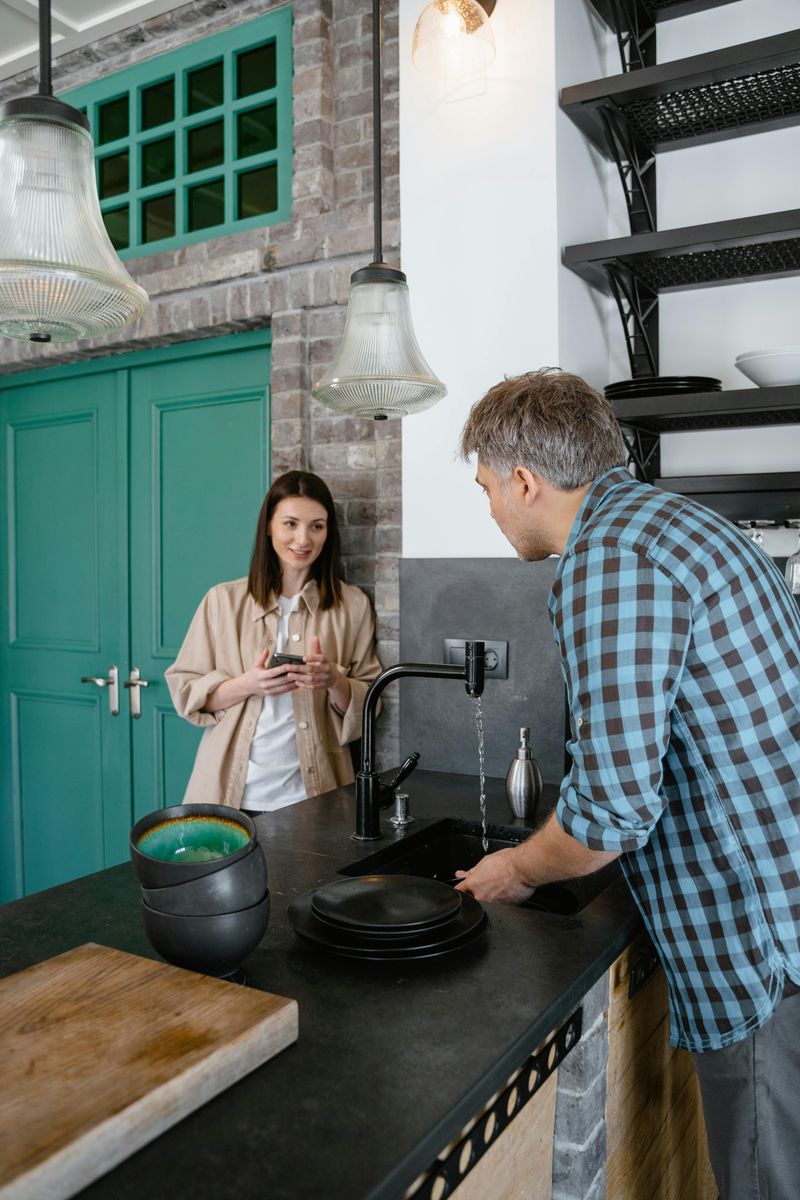
Imagine coming home to a daily performance review where nothing you do measures up.
Constant criticism chips away at self-esteem like water eroding stone. Instead of encouragement, she offers a never-ending list of your shortcomings and failures.
Nobody’s perfect, but loving partners focus on positives rather than dwelling on every tiny mistake.
Nagging about the same issues repeatedly accomplishes nothing except creating tension and frustration.
Appreciation disappears while complaints multiply.
You feel like you’re walking on eggshells, trying desperately to avoid her next criticism.
Relationships should build people up, not tear them down.
Partners who constantly criticize reveal their own insecurities and unhappiness.
11. Neglect of Intimacy

Physical and emotional closeness keeps relationships alive and thriving.
When she consistently avoids intimacy or treats affection like a chore, distance grows between partners.
Connection requires effort from both people, not just one doing all the reaching out.
Excuses pile up endlessly—too tired, too stressed, too busy.
Meanwhile, the relationship starves for warmth and closeness that never arrives.
Intimacy involves more than just physical contact.
Emotional vulnerability and deep conversations create bonds that last.
Without these elements, couples become roommates sharing space rather than life partners sharing souls.
Neglecting intimacy signals deeper problems that won’t fix themselves without serious effort and commitment.
12. Controlling or Manipulative Behavior

Freedom shouldn’t disappear when you enter a relationship.
Controlling partners isolate you from friends and family, making decisions about your life without permission.
They use guilt, pressure, and emotional tricks to get their way constantly.
Manipulation wears many disguises. Sometimes it looks like concern, other times like jealousy or protection.
Regardless of packaging, it remains toxic and damaging to your wellbeing and independence.
Healthy relationships celebrate individual identities while building shared lives together.
Controlling behavior stems from insecurity and fear, creating prison-like conditions where love cannot flourish.
You deserve a partner who trusts and respects your autonomy, not someone who treats you like property to control.
Comments
Loading…