
 Mila Ross
11 Wrong Lessons We Teach Kids About Love
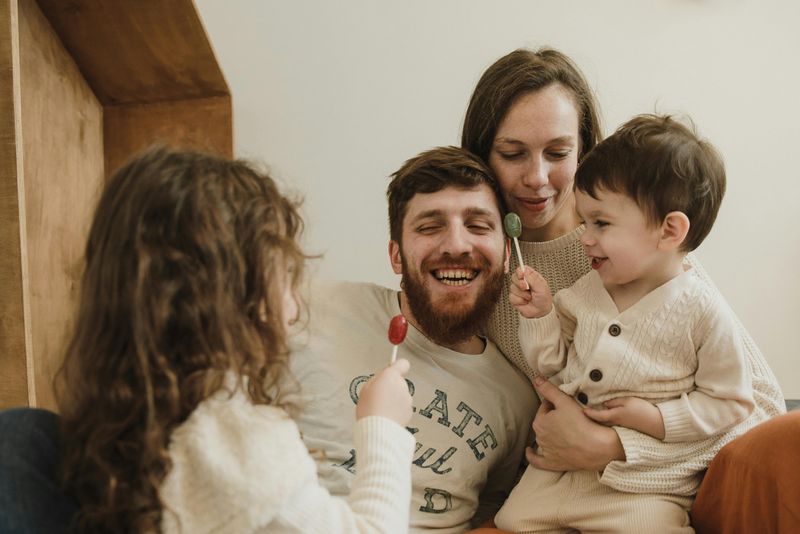
From fairy tales to movies, children absorb messages about love everywhere they look. Unfortunately, many of these lessons set them up for confusion and heartache later in life. Understanding which ideas we accidentally pass along can help parents and teachers guide kids toward healthier, more realistic expectations about relationships and affection.
By recognizing these hidden messages, adults can model love and respect in ways that truly benefit children. Over time, this awareness helps kids develop a stronger sense of self-worth and a clearer understanding of what healthy relationships look like.
1. Love Conquers All Problems

Many stories tell kids that true love magically solves every problem.
Romantic movies show couples overcoming impossible odds just because they care deeply for each other.
This creates unrealistic expectations that affection alone fixes everything.
Real relationships require communication, compromise, and hard work.
Love provides motivation to solve problems, but it doesn’t make challenges disappear on its own.
Couples must actively work through disagreements and differences.
Teaching children that love requires effort alongside emotion prepares them better.
They learn that caring deeply means choosing to address issues together rather than expecting feelings alone to carry them through tough times.
2. There’s Only One Perfect Soulmate

Fairy tales often present the idea of one destined person meant just for you.
Kids hear about soulmates who complete them and make everything perfect.
This notion can lead to endless searching and disappointment when relationships feel imperfect.
Reality shows us that many people could make compatible partners.
Successful relationships depend more on shared values, mutual respect, and willingness to grow together.
Chemistry matters, but compatibility comes from effort and understanding.
When we teach kids about building connections rather than finding “the one,” they approach relationships more realistically.
They understand that love grows through shared experiences and conscious choices rather than magical destiny alone.
3. Jealousy Proves You Really Care

Popular culture sometimes portrays jealousy as romantic proof of deep feelings.
Songs celebrate possessive behavior, and stories show characters getting jealous to demonstrate their passion.
Kids might believe that being controlling shows how much someone cares.
Healthy love actually involves trust and security, not constant suspicion.
Jealousy often stems from insecurity or control issues rather than genuine affection.
Partners who trust each other feel confident rather than threatened.
Children benefit from learning that real love respects independence and personal space.
Possessiveness damages relationships instead of strengthening them, and trust forms the foundation of lasting connections between people who truly care about each other’s happiness.
4. You Should Change for Someone You Love

Romantic comedies frequently show characters transforming themselves to win someone’s heart.
The message suggests that changing your personality, interests, or appearance proves devotion.
Kids absorb the idea that love means becoming whoever their partner wants.
Genuine relationships celebrate who people already are rather than demanding transformation.
Partners should inspire growth without requiring fundamental changes to core identity.
Healthy love accepts imperfections while encouraging personal development.
Teaching children to value authenticity helps them build stronger connections.
They learn that someone who truly cares will appreciate their genuine self rather than expecting them to become a different person entirely.
5. Love at First Sight Is Real

Movies and books romanticize the concept of knowing immediately that someone is special.
Characters lock eyes across crowded rooms and instantly recognize their future partner.
This creates expectations of immediate, overwhelming certainty about romantic feelings.
Attraction can certainly happen quickly, but deep love develops over time through shared experiences.
Initial chemistry might spark interest, but understanding someone’s character requires patience and observation.
Many successful relationships start with gradual friendship before romance blooms.
Kids need to understand that building meaningful connections takes time and effort.
Rushing into intense feelings based on appearance or first impressions often leads to disappointment when reality doesn’t match fantasy expectations.
6. Grand Gestures Matter Most

Dramatic declarations and expensive surprises fill romantic stories that children watch.
Characters win hearts through elaborate public proposals or sweeping romantic gestures.
Kids learn to expect and value these big moments over everyday kindness.
Consistent small acts of consideration actually matter more than occasional grand displays.
Remembering preferences, offering support during difficult times, and showing daily respect build stronger bonds.
Reliability and thoughtfulness create lasting happiness more than spectacular one-time events.
Teaching children to appreciate consistent care helps them recognize genuine devotion.
They understand that real love shows up in ordinary moments through patience, listening, and small thoughtful actions that demonstrate ongoing attention and care.
7. You Need Someone to Feel Complete

Popular phrases like “my other half” suggest people are incomplete without romantic partners.
Movies show lonely characters who only find happiness after meeting someone special.
This teaches kids they’re insufficient on their own.
Individuals should feel whole and satisfied independently before entering relationships.
Partners enhance life rather than filling a void or fixing problems.
People who depend entirely on others for happiness often struggle with unhealthy attachment patterns.
Encouraging children to develop their own interests, friendships, and self-worth prepares them for balanced relationships.
They learn that love adds to an already fulfilling life rather than serving as the sole source of identity and contentment.
8. Fighting Means You Don’t Belong Together

Some children’s stories present perfect couples who never argue or disagree.
When conflict appears, it signals the relationship is doomed or wrong.
Kids might believe that compatible people never experience tension or different opinions.
All healthy relationships include disagreements because people naturally have different perspectives and needs.
How couples handle conflict matters more than whether it occurs.
Respectful communication and compromise strengthen bonds rather than weakening them.
Children who understand that disagreement is normal approach relationships more realistically.
They develop skills for expressing concerns constructively and working through differences instead of abandoning connections at the first sign of conflict.
9. Physical Attraction Is Everything

Media heavily emphasizes physical appearance when portraying romantic relationships.
Beautiful characters fall for each other based primarily on looks, teaching kids that attraction depends mainly on conventional beauty standards.
This creates shallow expectations about what matters in partnerships.
Lasting connections depend far more on personality, values, humor, and emotional compatibility.
Physical attraction may spark initial interest, but shared interests and mutual respect sustain relationships over time.
Appearance changes throughout life while character remains more consistent.
Helping children appreciate inner qualities alongside outer appearance promotes healthier relationship choices.
They learn to value kindness, intelligence, and compatibility rather than focusing exclusively on physical features when considering potential partners.
10. Love Should Always Feel Easy

Romantic stories often skip past the challenging parts of relationships, showing only magical moments and perfect harmony.
Kids might expect that true love never requires effort, patience, or difficult conversations.
This sets them up for disappointment when reality proves messier.
Strong relationships require ongoing work from both partners.
Maintaining connection through life changes, stress, and personal growth takes conscious effort.
Even compatible couples must actively nurture their bond through communication and intentional quality time.
Teaching children that worthwhile relationships involve effort normalizes the work required.
They understand that choosing to invest energy into maintaining love demonstrates commitment rather than indicating something is wrong with the partnership.
11. You Must Sacrifice Everything for Love

Stories frequently celebrate characters who abandon dreams, careers, or personal goals for romantic relationships.
The message suggests that true love requires giving up everything else that matters.
Kids learn that devotion means making their partner the sole priority.
Healthy relationships actually support individual growth and personal aspirations.
Partners encourage each other’s goals rather than demanding sacrifice of important dreams.
Balance between personal fulfillment and relationship commitment creates stronger, more sustainable connections.
Children who learn about balanced priorities approach relationships more successfully.
They understand that maintaining their own identity, friendships, and ambitions alongside romantic commitment leads to happier partnerships where both people continue growing as individuals.
Comments
Loading…