
 Mila Ross
11 Ways Romance Is Marketed to Women

From fairy tale weddings to candlelit dinners, the romance industry knows exactly how to capture hearts and open wallets.
Advertisers have spent decades perfecting their approach, creating powerful messages that promise love, connection, and happily-ever-after moments. Understanding these marketing tactics helps us recognize when we’re being sold a fantasy versus seeking genuine connection.
1. Fairy Tale Wedding Imagery

Bridal magazines overflow with princess gowns, towering cakes, and venues that look like castles.
Companies selling wedding products know that many girls grow up dreaming of their special day.
They use this childhood fantasy to sell everything from dresses costing thousands of dollars to elaborate decorations.
The message suggests that spending more money creates more romance and happiness.
Photography packages, venue rentals, and floral arrangements all promise to make dreams come true.
However, the reality is that a meaningful marriage doesn’t require a fairy tale budget.
Many couples feel pressured to overspend because advertisements make modest celebrations seem inadequate.
2. Romance Novel Covers
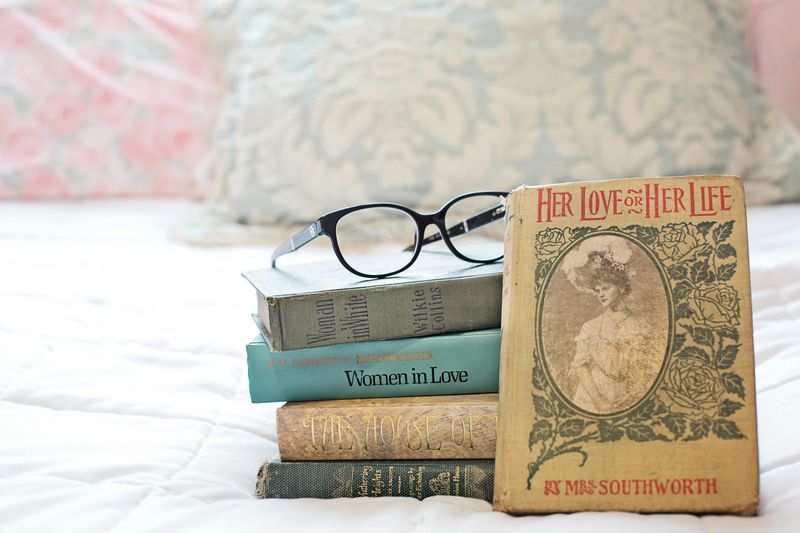
Walk through any bookstore and you’ll spot them immediately: shirtless men with impossibly chiseled abs embracing beautiful women.
Publishers design these covers to trigger emotional responses and promise escape from everyday life.
The imagery sells fantasies about passionate, dramatic relationships that sweep heroines off their feet.
These books generate billions in sales annually because they tap into desires for excitement and intense connection.
Cover models represent idealized versions of attractiveness that rarely exist in real life.
The stories inside often follow predictable patterns where misunderstandings resolve perfectly and conflicts disappear.
While entertaining, they can create unrealistic expectations about actual relationships and partners.
3. Diamond Engagement Ring Campaigns
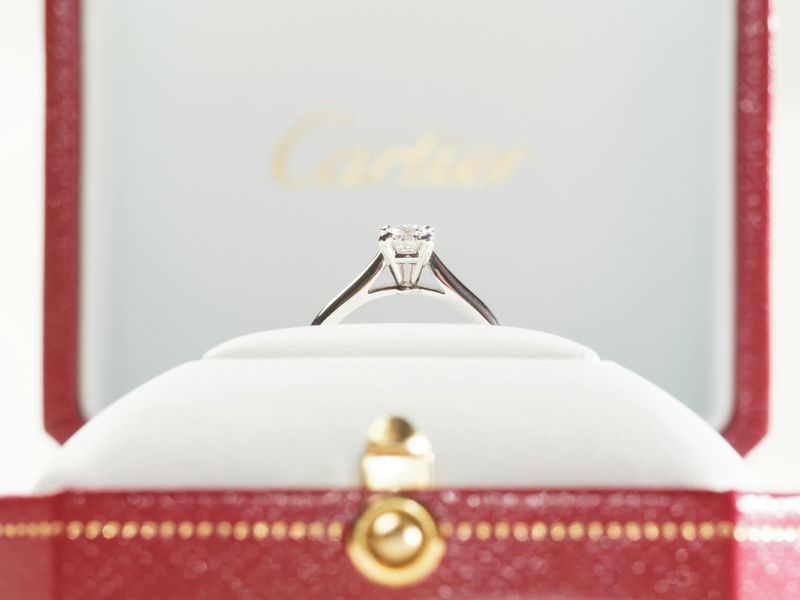
A famous slogan once declared that diamonds are forever, linking expensive gemstones directly to eternal love.
This brilliant marketing campaign convinced generations that engagement rings must feature diamonds to prove genuine commitment.
Before this advertising push, diamond rings weren’t even traditional for engagements.
Jewelry companies suggest that bigger stones demonstrate deeper love, creating pressure on couples to spend significant amounts.
Many people believe they should spend two or three months’ salary on a ring because advertisements planted that idea.
The truth is that relationship strength has nothing to do with carat weight.
Yet the marketing remains so effective that diamonds dominate the engagement ring market worldwide.
4. Valentine’s Day Advertising Blitz
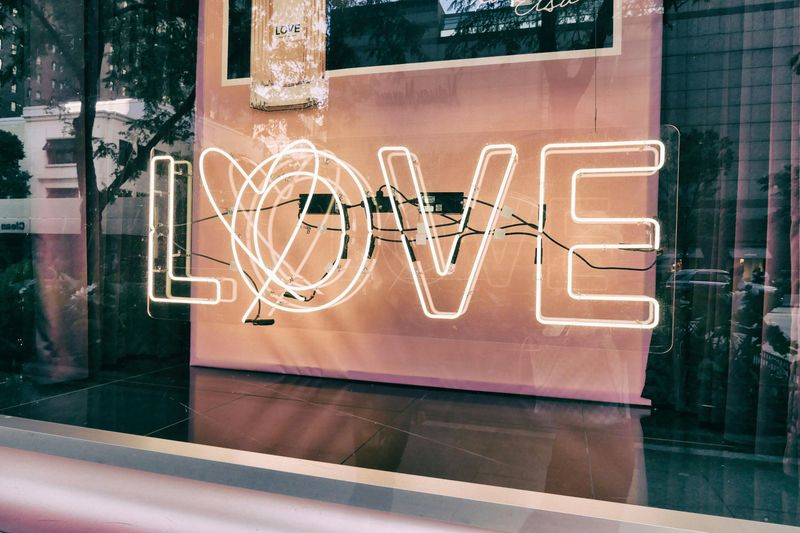
Every February, stores transform into seas of red and pink, pushing chocolates, flowers, jewelry, and cards.
Retailers have turned a single day into a massive commercial event where love supposedly requires purchasing specific products.
Advertisements suggest that forgetting Valentine’s Day or choosing the wrong gift means you don’t truly care.
Restaurants charge premium prices for special menus, florists triple their rates, and jewelry stores launch major campaigns.
The pressure to participate creates anxiety for many people in relationships.
Marketing messages imply that romantic gestures only count on this designated day.
In reality, consistent kindness throughout the year matters far more than one expensive dinner or bouquet.
5. Perfume and Fragrance Commercials
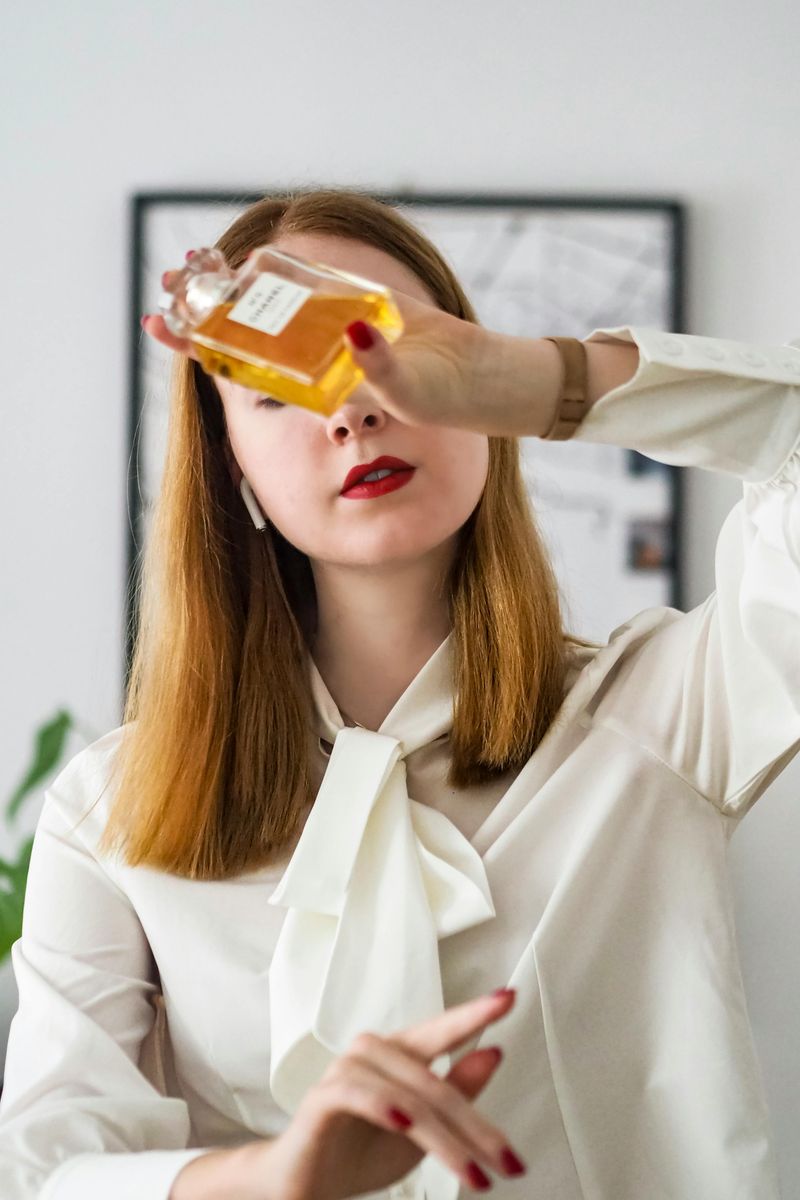
Perfume advertisements rarely show the actual product or describe its scent.
Instead, they feature glamorous celebrities in exotic locations, suggesting that buying this fragrance transforms you into someone irresistible and mysterious.
The commercials sell fantasies about becoming more attractive and desirable to potential partners.
Beautiful actors move through scenes filled with romantic tension, expensive clothing, and dramatic lighting.
These mini-movies imply that the right scent unlocks romantic success and confidence.
Companies spend millions creating these elaborate fantasies because they work.
Women purchase fragrances hoping to capture some of that advertised magic, even though personality and genuine connection matter infinitely more than any bottled scent.
6. Romantic Comedy Movie Posters
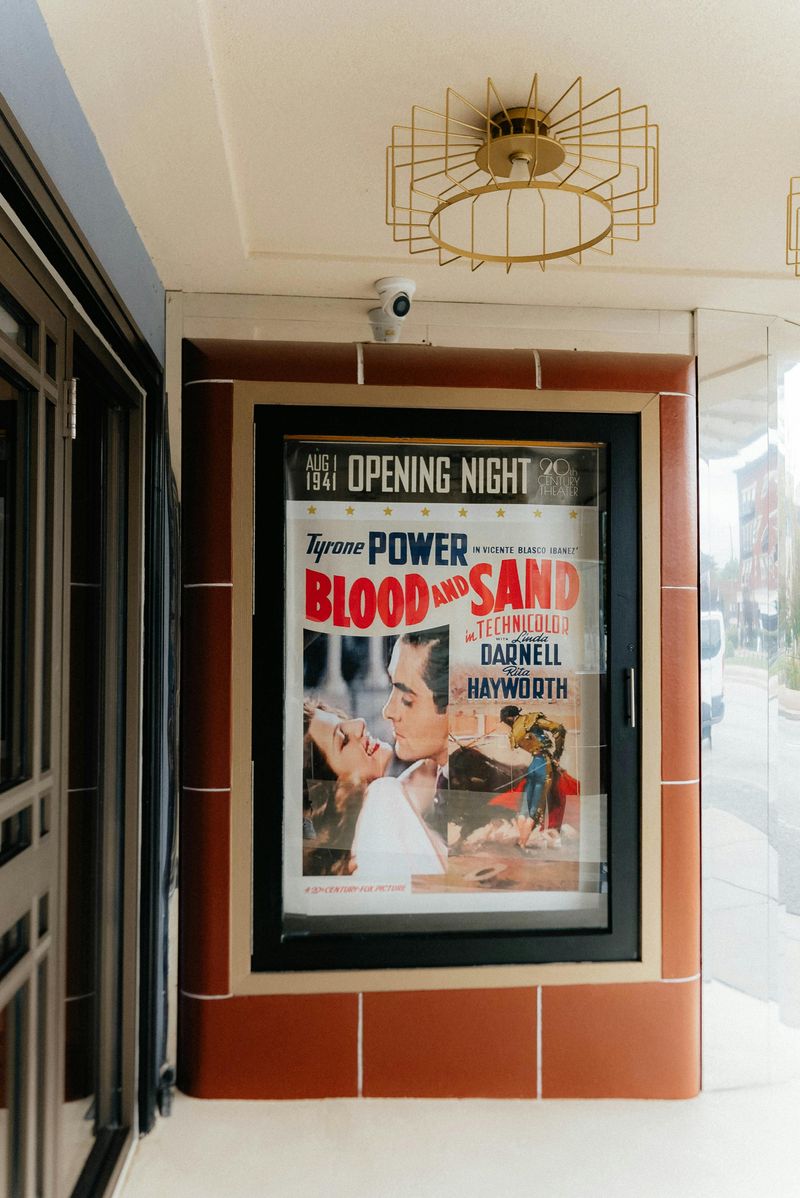
Movie studios have mastered the art of selling romance through carefully designed posters featuring attractive stars gazing longingly at each other.
These images promise stories where obstacles magically disappear and couples achieve perfect happiness.
The marketing suggests that finding the right person solves all problems.
Romantic comedies follow familiar patterns: meet-cute moments, misunderstandings, grand gestures, and happy endings.
Posters highlight the chemistry between leads, using sunset backgrounds and warm color palettes.
While these films provide enjoyable entertainment, they rarely show the actual work required in healthy relationships.
The marketing focuses entirely on excitement and passion rather than communication, compromise, and daily partnership that real love requires.
7. Luxury Vacation Packages for Couples

Travel companies advertise tropical beaches, private cabanas, and sunset cruises specifically targeting couples seeking romance.
Brochures feature pairs walking hand-in-hand through paradise, suggesting that the perfect getaway reignites passion and creates lasting memories.
These packages often cost significantly more than regular vacations simply because they’re labeled romantic.
Resorts offer champagne, rose petals, and couples’ massages as standard romance package additions.
Marketing implies that relationships need these expensive experiences to thrive.
While vacations can be wonderful, advertisers oversell the idea that romance requires exotic destinations.
Meaningful connection happens anywhere when partners prioritize time together, regardless of the location or price tag involved.
8. Beauty Product Promises
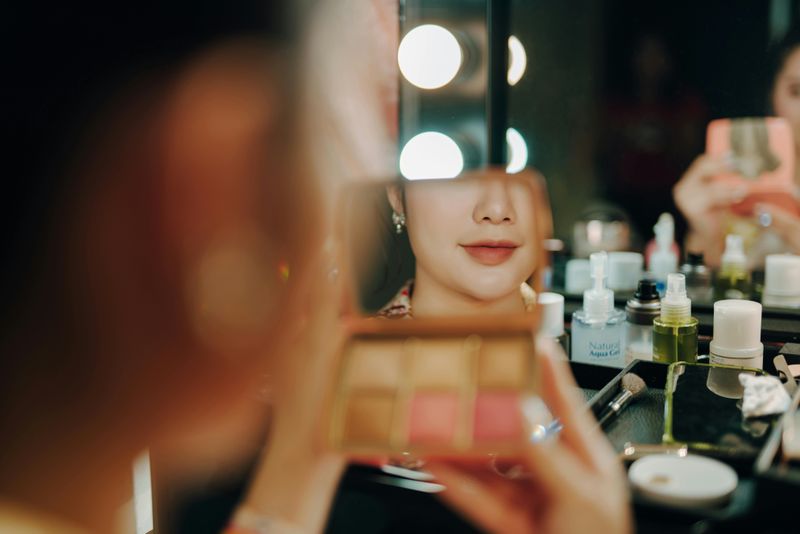
Cosmetic companies link their products directly to romantic success through advertisements showing women attracting admiring glances after using specific makeup or skincare.
The underlying message suggests that natural appearance isn’t enough to deserve love or attention.
Products promise transformation into someone more lovable and desirable.
Anti-aging creams, lipsticks, and hair products all use romantic imagery in their marketing campaigns.
Advertisements feature couples where the woman has flawless skin and perfect features.
This marketing creates insecurity by implying that romance requires meeting certain beauty standards.
Companies profit from these insecurities by positioning their products as solutions.
True connection happens when people appreciate each other authentically, not through purchased enhancements.
9. Dating App Marketing Strategies
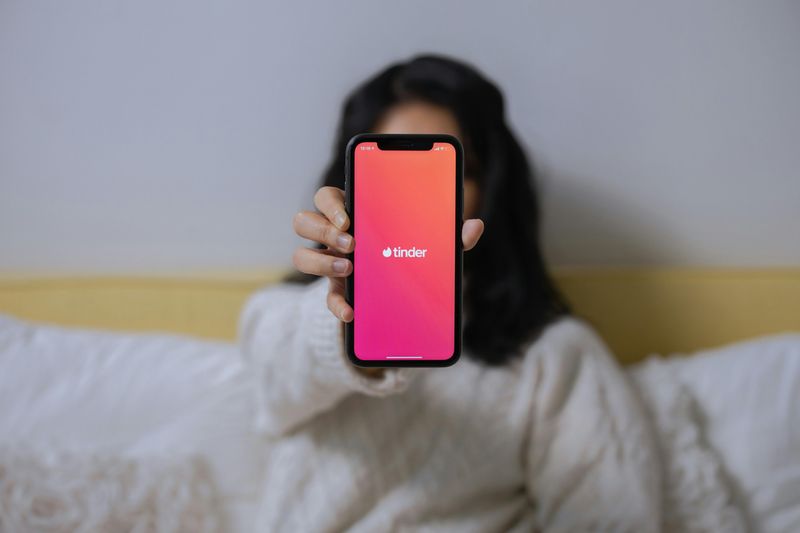
Dating applications advertise themselves as magical solutions to finding true love, using success story testimonials and images of happy couples.
Their marketing suggests that romance is just a swipe away, making the search for connection seem simple and effortless.
Apps promise to match you with your perfect partner using special algorithms.
Advertisements show attractive people meeting through the platform and falling in love instantly.
Premium subscriptions offer better matches, implying that paying more increases romantic success.
The reality involves far more effort than marketing suggests.
These platforms can facilitate introductions, but building actual relationships still requires time, communication, and compatibility that no algorithm can guarantee or purchase.
10. Greeting Card Industry Messages

Card companies have convinced people that pre-written sentiments printed on decorative paper effectively communicate love and appreciation.
Store aisles overflow with cards for every romantic occasion, each promising to express feelings perfectly.
The marketing suggests that purchasing the right card demonstrates thoughtfulness and care.
Some cards cost ten dollars or more for a few printed words and generic illustrations.
Companies create specific categories for relationships, anniversaries, and romantic milestones.
While convenient, these mass-produced messages lack the personal touch of actually speaking or writing genuine thoughts.
Marketing has made card-giving feel obligatory rather than special, turning authentic expression into another commercial transaction requiring purchase.
11. Candlelit Dinner Restaurant Promotions

Restaurants market special romantic dinner experiences complete with candlelight, private tables, and prix fixe menus at premium prices.
Advertisements show couples gazing into each other’s eyes over elegant meals, suggesting that romance requires this specific setting.
The imagery promises intimate moments and meaningful connection through dining experiences.
These promotions appear around Valentine’s Day, anniversaries, and other couple-focused occasions.
Restaurants charge significantly more for the same food simply by adding candles and roses.
Marketing convinces people that romantic meals must happen in expensive restaurants rather than at home.
Sharing food can be meaningful anywhere when couples focus on conversation and presence rather than atmosphere and price.
Comments
Loading…