
 Isabel Parker
11 Signs You’re Dating Someone Who Has “Main Character Syndrome”

Ever feel like your partner treats life as if they’re the star of a never-ending movie? Main Character Syndrome is when someone believes the world revolves around them, turning everyday moments into dramatic scenes where they’re always center stage.
Recognizing these behaviors early can help you decide if the relationship is healthy or if you’re just playing a supporting role in someone else’s story.
1. Every Story Circles Back to Them

Your partner has a talent for hijacking conversations.
You start sharing something important about your day, but within minutes, they’ve redirected the topic to their own experiences.
It doesn’t matter if you’re talking about work stress or family drama—they always find a way to make it about themselves.
Healthy relationships involve give-and-take in conversations.
When one person dominates every discussion, it creates an imbalance that leaves you feeling unheard.
Pay attention to how often your stories get interrupted or overshadowed.
If you constantly feel like a background character in their narrative, that’s a red flag worth examining closely.
2. Social Media Becomes Their Reality Show

Posting online isn’t just a hobby—it’s their full-time job.
Every date, meal, or moment together must be documented and shared with their followers.
They spend more time finding the perfect angle than actually enjoying the experience with you.
Sometimes they’ll even ask you to retake photos dozens of times until they look flawless.
The experience itself becomes secondary to how it appears online.
Real connections happen when people are present, not when they’re performing for an invisible audience.
If your relationship feels more like content creation than genuine bonding, something’s off balance.
3. They Expect Grand Gestures Constantly
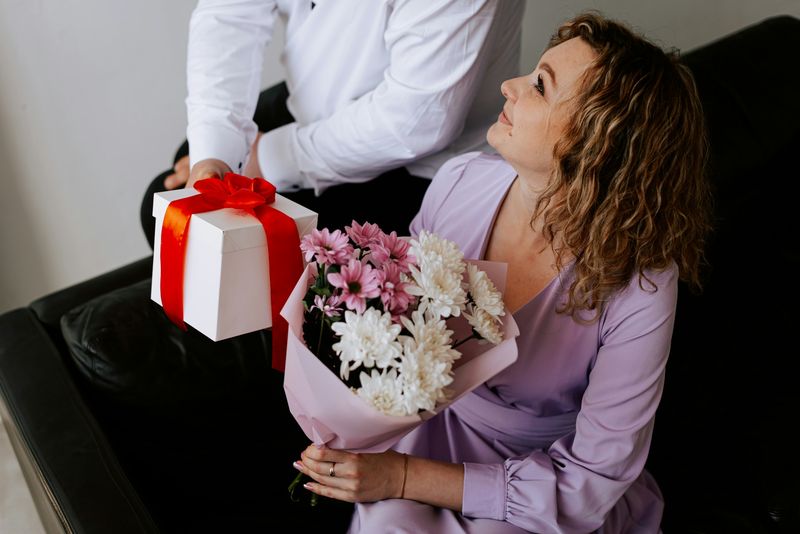
Romance is wonderful, but they take it to exhausting extremes.
Simple acts of love aren’t enough—they want over-the-top displays that rival movie scenes.
Regular date nights feel boring to them unless there’s something Instagram-worthy happening.
They might drop hints about elaborate surprises or compare your efforts to romantic comedies.
When you do something thoughtful, it’s never quite enough because it didn’t match their fantasy.
Authentic love shows up in small, consistent ways, not just grand performances.
If your partner only values theatrical gestures, they might care more about the spectacle than genuine affection.
4. Apologies Are Rare and Superficial

Admitting fault doesn’t fit their self-image as the hero.
When conflicts arise, they struggle to genuinely apologize or take responsibility.
Instead, they might say sorry just to end the argument without actually meaning it or understanding what they did wrong.
Some will even flip situations around to make themselves the victim.
Suddenly, you’re comforting them about something they did to hurt you.
Accountability is crucial for relationship growth.
Partners who can’t admit mistakes or learn from them keep repeating the same hurtful patterns, leaving you emotionally drained and questioning your own feelings.
5. Your Achievements Get Minimized

Celebrating your wins makes them uncomfortable.
When you share good news about a promotion or accomplishment, they respond with lukewarm reactions or quickly change subjects.
Sometimes they’ll even one-up your story with their own achievement.
This behavior stems from their need to remain the most impressive person in the relationship.
Your success threatens their spotlight, so they downplay it.
Supportive partners genuinely celebrate each other’s victories without jealousy.
If your accomplishments consistently get overshadowed or dismissed, you’re dealing with someone who sees you as competition rather than a teammate.
6. Plans Revolve Around Their Schedule

Flexibility only goes one direction in your relationship.
Your partner expects you to accommodate their calendar, but they rarely adjust for yours.
If something important comes up for them, your plans get cancelled without much consideration.
They might forget events that matter to you or show up late without genuine apology.
Meanwhile, they expect you to prioritize everything on their agenda.
Mutual respect means both people’s time holds equal value.
When one person consistently treats their schedule as more important, it reveals how they view the relationship hierarchy—with themselves firmly at the top.
7. Drama Follows Them Everywhere

Peaceful moments rarely last long around them.
There’s always some crisis, conflict, or emotional emergency demanding attention.
They thrive on intensity and seem to create problems when things get too calm.
Friends are constantly betraying them, coworkers are jealous, or family members are causing issues.
Somehow, they’re always the innocent victim in every scenario.
While everyone faces challenges, constant chaos suggests someone enjoys the attention it brings.
If you’re exhausted from managing one crisis after another, consider whether they’re genuinely unlucky or addicted to dramatic storylines.
8. They Dismiss Your Feelings as Overreactions

Your emotions get labeled as excessive or irrational.
When you express hurt or frustration, they tell you you’re being too sensitive or making a big deal out of nothing.
Your valid concerns get brushed aside because acknowledging them would require self-reflection.
This tactic protects their self-image as the reasonable, perfect protagonist.
If you’re always the problem, they never have to change.
Emotional invalidation is harmful and manipulative.
Partners should listen to your feelings with empathy, not dismiss them to avoid accountability for their behavior.
9. They Need Constant Validation and Compliments

Reassurance isn’t occasional—it’s a daily requirement.
Your partner constantly fishes for compliments about their appearance, intelligence, or achievements.
They need repeated confirmation that they’re amazing, attractive, and better than others.
If you don’t provide enough praise, they become moody or seek validation elsewhere.
Their self-worth depends entirely on external approval rather than internal confidence.
Everyone appreciates kind words, but excessive neediness becomes exhausting.
Healthy individuals have stable self-esteem that doesn’t require constant propping up from others, allowing relationships to feel balanced rather than one-sided.
10. Other People Are Just Props in Their Story

Friends and family exist only to serve their narrative.
Your partner treats people as accessories, useful only when they enhance their image or provide something they need.
Once someone stops being valuable, they’re quickly discarded or ignored.
They might be charming to people who boost their status but rude to service workers or anyone they deem unimportant.
This reveals their true character.
How someone treats others when there’s nothing to gain shows their genuine values.
If your partner views people as disposable supporting characters, eventually you’ll receive the same treatment.
11. Everything Requires an Audience

Private moments don’t feel special to them.
Whether it’s a heartfelt conversation or a personal achievement, they need witnesses to validate the experience.
Intimate moments get shared with friends, posted online, or turned into public spectacles.
They might announce relationship milestones before discussing them with you or share private details that should stay between partners.
Your privacy matters less than their need for attention.
True intimacy requires boundaries and discretion.
When someone treats your relationship as public entertainment rather than something sacred between two people, they prioritize external validation over genuine connection with you.
Comments
Loading…