
 Harper Hall
11 Secrets to Mastering the Art of Negotiation

Negotiation is a skill that touches nearly every part of life—from convincing your parents to let you stay up later as a kid, to closing a major business deal as an adult. Mastering the art of negotiation can open doors, resolve conflicts, and help you achieve more of what you want, both personally and professionally.
The best part is that negotiation isn’t some mysterious talent reserved for a lucky few; it’s a skill that anyone can learn, practice, and refine. These 11 secrets will guide you step by step, giving you the tools to communicate more effectively, influence outcomes, and navigate any situation with confidence and finesse.
1. Know What You Want Before You Walk In

Preparation is the secret weapon most people forget to pack.
Before any negotiation, get crystal clear on what you actually want — your ideal outcome, your minimum acceptable result, and everything in between.
Think of it like packing for a trip.
If you do not know where you are going, you will bring the wrong things.
Write down your goals ahead of time so your mind stays sharp when the pressure is on.
Knowing your priorities also helps you spot a good deal when you see one, instead of second-guessing yourself at the worst possible moment.
2. Listen More Than You Speak

Here is a truth that surprises most people: the best negotiators are outstanding listeners, not just great talkers.
When you truly listen, you pick up on what the other person values, fears, and needs.
That information is pure gold.
You can use it to shape your offer in a way that feels like a win for both sides.
People also tend to trust and like those who genuinely hear them out.
Try asking open-ended questions and then zip it — let the silence do the work.
You might be amazed by what the other person volunteers on their own.
3. Understand the Other Side’s Needs

Every negotiation has two sides, and the smartest move you can make is stepping into the other person’s shoes.
What do they need most?
What would make them feel like they came out ahead?
When you understand their motivations, you stop treating the negotiation like a battle and start treating it like a puzzle.
Suddenly, creative solutions appear that neither side had thought of before.
Empathy is not weakness — it is strategy.
Showing genuine interest in the other party’s goals builds trust fast, and trust is the foundation of every deal that actually sticks long-term.
4. Set the First Offer Wisely
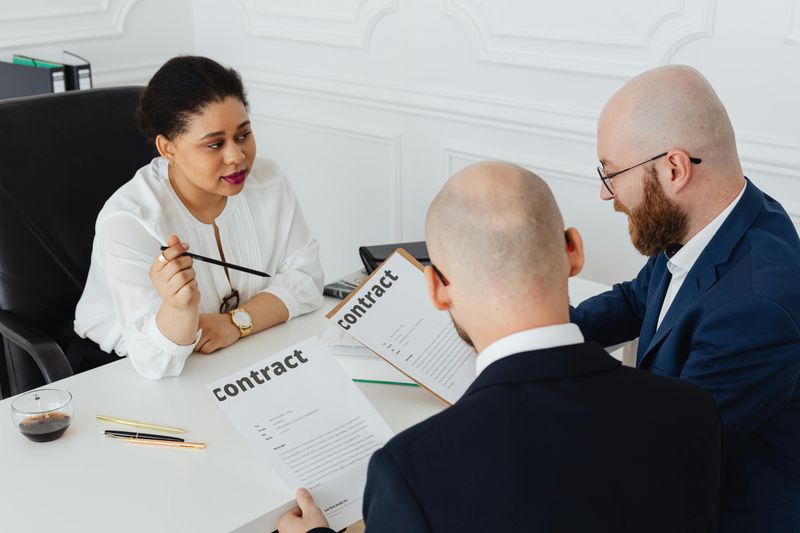
Whoever makes the first offer in a negotiation often sets the tone for everything that follows.
Research calls this the “anchoring effect” — the first number mentioned pulls the entire conversation toward it like a magnet.
Go too low on yourself and you leave value on the table.
Go too extreme and you risk looking unreasonable.
The sweet spot is an ambitious but defensible opening position that gives you room to move without starting a war.
Practice stating your first offer calmly and confidently.
Hesitation signals doubt, and doubt invites the other side to push back harder than they otherwise would.
5. Use the Power of Silence

Silence makes most people uncomfortable — and that discomfort is one of the most powerful tools in a negotiator’s toolkit.
After you make an offer or ask a question, resist the urge to fill the quiet.
Many rookies nervously talk themselves into worse deals simply because they cannot stand the pause.
The person who speaks first after a critical moment often gives something away unnecessarily.
Train yourself to sit comfortably in silence.
Count to ten in your head if you need to.
Let the other side feel the weight of the moment — it often nudges them toward a concession faster than any argument could.
6. Know Your Walk-Away Point

Every negotiation needs a line in the sand — the point where you walk away rather than accept a bad deal.
Negotiators call this your BATNA, which stands for Best Alternative To a Negotiated Agreement.
When you know your walk-away point ahead of time, you negotiate from a place of strength instead of desperation.
Fear of losing a deal can trick you into accepting terms that hurt you later.
Writing your BATNA down before talks begin keeps your emotions from hijacking your judgment.
A deal that crosses your line is not a missed opportunity — it is a bullet dodged.
7. Build Rapport Before Getting Down to Business

Picture two strangers immediately jumping into a tense salary negotiation without even exchanging names.
Awkward, right?
A little small talk goes a long way toward making both parties feel human and at ease.
Research consistently shows that people are more generous and flexible with those they like.
A genuine compliment, a shared laugh, or even a question about someone’s weekend can shift the entire mood of a room.
Rapport is not manipulation — it is connection.
When people feel comfortable with you, they are far more likely to stretch toward a deal rather than dig into defensive positions.
8. Make Concessions Strategically

Giving something up during a negotiation is not failure — it is part of the dance.
The trick is making your concessions feel significant while protecting what matters most to you.
Never give something away for free.
Always trade. “I can do that if you can do this” keeps the exchange balanced and signals that your concessions have real value.
Random, unprompted giveaways just teach the other side to keep pushing.
Also, shrink your concessions as talks progress.
Starting big and going smaller signals that you are approaching your true limit, which naturally brings the negotiation toward a close.
9. Stay Calm Under Pressure

Negotiations can get heated.
Deadlines loom, voices rise, and emotions creep in uninvited.
Your ability to stay cool when the temperature rises is what separates average negotiators from truly skilled ones.
When emotions take the wheel, logic takes a back seat.
You might agree to something you will regret, or say something that blows up the whole deal.
Taking a slow breath, pausing, or even requesting a short break can reset your head completely.
Think of staying calm as a competitive advantage.
While others react impulsively, you respond thoughtfully — and that steady presence often earns you more respect and better results at the table.
10. Use Objective Criteria to Support Your Position
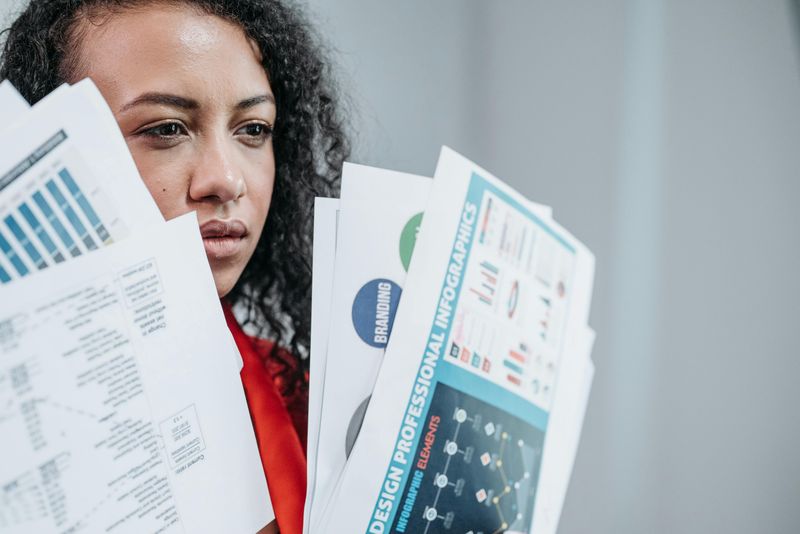
Feelings are persuasive, but facts are bulletproof.
When you back up your position with real data — market research, industry standards, expert opinions, or comparable examples — you make it much harder for the other side to simply dismiss your offer.
Objective criteria shift the conversation from “I want this” to “the evidence supports this.”
That is a completely different dynamic, and it puts both parties on a level playing field of logic rather than willpower.
Do your homework before any important negotiation.
Walk in with numbers, examples, and sources ready.
Solid preparation gives your arguments credibility that no amount of charm alone can match.
11. Aim for a Win-Win Outcome

Old-school negotiation taught people to treat every deal like a war with a winner and a loser.
Modern negotiators know better.
The most durable, satisfying outcomes happen when both sides feel they gained something valuable.
A win-win mindset pushes you to get creative.
Instead of fighting over one pie, you look for ways to bake a bigger one.
Maybe you cannot budge on price, but you can offer faster delivery, extra support, or flexible terms.
Relationships built on mutual benefit last far longer than those built on someone feeling beaten.
A satisfied counterpart is far more likely to come back to the table — and bring others with them.
Comments
Loading…