
 Mila Ross
11 Reasons Many Men Don’t Put in Enough Effort in Relationships

Relationships take work from both partners, but sometimes one person seems to be carrying more weight than the other.
Many women find themselves wondering why their partner isn’t putting in the same effort they are. Understanding the reasons behind this behavior can help couples communicate better and build stronger connections together.
1. Fear of Vulnerability

Opening up emotionally feels risky for many guys who were taught that showing feelings makes them weak.
Society often tells boys to be tough and hide their emotions, which carries into adulthood.
When someone fears getting hurt, they might hold back instead of fully investing in the relationship.
Building walls seems safer than letting someone see their true self.
This protective behavior actually prevents the deep connection both partners need.
Real intimacy requires honesty about feelings, even the uncomfortable ones.
Partners who understand this fear can create a safe space for gradual opening up.
Patience and reassurance help break down those defensive barriers over time.
2. Comfortable in the Status Quo

Some guys stop trying once they feel the relationship is secure and stable.
The chase is over, so why keep working hard?
Early dating requires effort to impress and win someone over, but that energy often fades.
Comfort can turn into laziness when someone assumes their partner will always be there.
Taking a relationship for granted is dangerous because connections need constant nurturing to stay strong.
What worked yesterday might not work tomorrow as people grow and change.
Relationships thrive on continued effort, surprise gestures, and quality time together.
Settling into autopilot mode slowly erodes the spark that brought two people together initially.
3. Different Love Languages

Not everyone expresses love the same way, which creates confusion and hurt feelings.
Your partner might be showing effort in ways you don’t recognize or value.
He might fix things around the house or work extra hours as his way of caring.
Meanwhile, you’re waiting for words of affirmation or physical affection.
Gary Chapman’s five love languages explain this disconnect: words, quality time, gifts, acts of service, and physical touch.
Understanding each other’s primary language helps both partners feel appreciated.
Communication about what makes each person feel loved bridges this gap effectively.
When both people speak the other’s language, effort becomes visible and meaningful.
4. Unaware of the Problem

Believe it or not, some guys genuinely don’t realize they’re not putting in enough effort.
What seems obvious to one person might be completely invisible to another.
Different upbringings and past relationships shape what people consider normal behavior.
If someone grew up in a home where affection was rare, they might not know what’s expected.
Mind-reading isn’t a real skill, so clear communication becomes essential for relationship success.
Dropping hints rarely works as well as direct, honest conversations about needs.
Once aware of the issue, many partners are willing to change their behavior.
The first step is bringing the problem to light without blame or anger.
5. Prioritizing Other Areas

Career ambitions, hobbies, or friendships sometimes take center stage while relationships get pushed to the back burner.
Life feels like a constant juggling act with limited time and energy.
Guys often compartmentalize different life areas instead of blending them smoothly together.
Work stress doesn’t magically disappear when they walk through the door.
Believing the relationship is stable, some men shift their focus to areas that seem more urgent or demanding.
This creates an imbalance that leaves partners feeling unimportant and neglected.
Healthy relationships require intentional time and attention, not just leftover scraps.
Making your partner a priority shows they matter as much as anything else.
6. Poor Role Models Growing Up
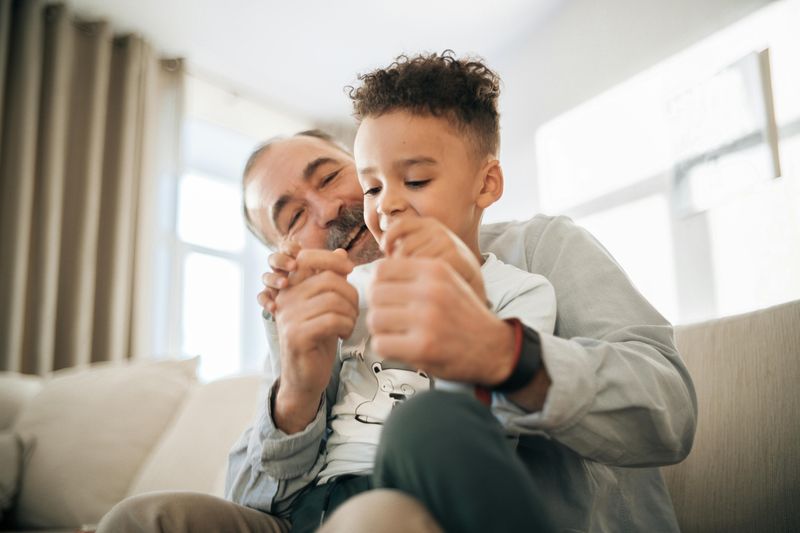
The relationships we witness as children become our blueprint for how partnerships should work.
Boys who watched uninvolved fathers often repeat those same patterns without realizing it.
Learning relationship skills isn’t automatic; it requires good examples and intentional teaching.
When those lessons are missing, people stumble through relationships making the same mistakes their parents made.
Breaking generational patterns takes awareness, effort, and sometimes professional help through counseling.
Recognizing where behaviors come from is the first step toward changing them.
Nobody is doomed to repeat their family’s mistakes forever.
With commitment, anyone can learn healthier ways to connect and show love.
7. Dealing with Personal Issues
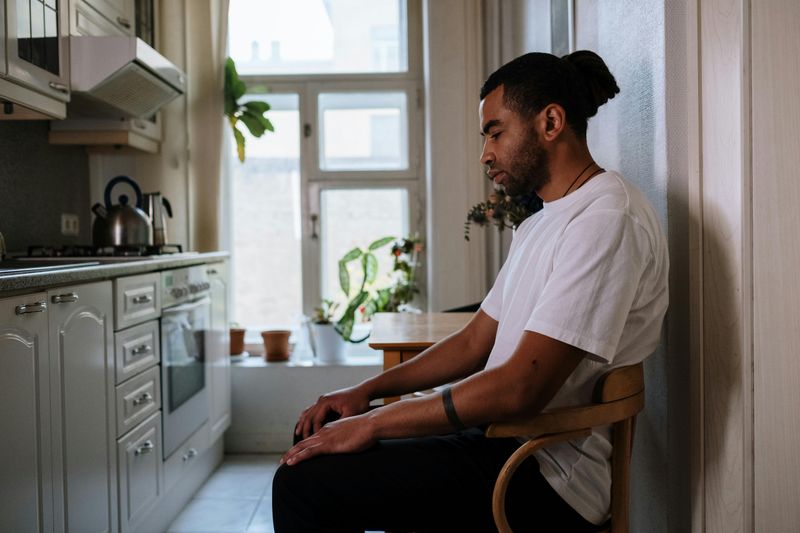
Mental health struggles like depression, anxiety, or stress drain energy that could go toward relationships.
When someone is barely keeping their head above water, putting effort into a partnership feels impossible.
Personal problems don’t excuse neglecting a partner, but they do explain it sometimes.
Understanding the root cause helps both people approach the situation with more compassion.
Men often struggle to recognize or admit when they need help with mental health.
Society’s pressure to appear strong prevents many from seeking the support they desperately need.
Supporting a struggling partner while maintaining your own boundaries creates the best outcome.
Encouraging professional help shows love without taking on the role of therapist.
8. Assuming Everything is Fine

When conflicts aren’t happening and no one is complaining loudly, some guys assume the relationship is perfectly healthy.
Silence gets mistaken for satisfaction.
Women often hint at problems or expect their partners to notice subtle changes in mood or behavior.
Men typically need more direct communication to pick up on issues.
The absence of fighting doesn’t equal a thriving relationship; it might just mean someone is suffering silently.
Regular check-ins about relationship satisfaction prevent this dangerous assumption.
Asking how your partner feels and really listening to the answer prevents small problems from becoming huge ones.
Proactive communication beats reactive damage control every single time.
9. Lost Sense of Romance

Daily routines and responsibilities can squeeze out the romance that once defined a relationship.
Paying bills and doing laundry isn’t exactly the stuff of fairy tales.
Many men don’t naturally think about romantic gestures the way movies and books portray them.
Planning special dates or surprises doesn’t come instinctively to everyone.
Over time, couples forget to prioritize fun and connection amid all their obligations.
What used to be exciting becomes predictable and boring.
Rekindling romance requires intentional effort from both partners, not just spontaneous magic.
Small gestures like love notes or surprise coffee dates can reignite that spark surprisingly quickly.
10. Feeling Unappreciated

When efforts go unnoticed or unacknowledged, motivation to keep trying naturally decreases.
Everyone wants to feel valued for what they contribute.
He might be putting in effort that goes unrecognized because it doesn’t match what you’re looking for.
This creates a frustrating cycle where both people feel they’re giving without receiving.
Expressing gratitude for even small gestures encourages more of that behavior in the future.
Positive reinforcement works better than criticism for changing relationship dynamics.
Both partners need to feel appreciated for the relationship to stay balanced and healthy.
Taking time to acknowledge each other’s efforts strengthens the bond between you.
11. Lack of Relationship Skills

Nobody is born knowing how to be a great partner; these skills develop through experience and learning.
Some guys simply haven’t developed the tools they need yet.
Communication, conflict resolution, and emotional intelligence are learned abilities, not natural talents.
Without practice or guidance, people struggle in these crucial areas.
Younger or less experienced partners especially need patience as they figure out what healthy relationships require.
Mistakes are part of the learning process for everyone.
Willingness to learn and grow matters more than getting everything right immediately.
Couples can attend workshops, read books, or try counseling to build these skills together successfully.
Comments
Loading…