
 Harper Hall
11 Often Overlooked Reasons Women Decide to File for Divorce First

Statistics show that women initiate nearly 70% of divorces, yet the reasons behind this decision often remain misunderstood.
Many assume it’s about dramatic conflicts or sudden betrayals, but the truth is usually more subtle.
The factors that drive women to file first are frequently rooted in years of quiet struggles, unmet needs, and emotional exhaustion that slowly erode the foundation of marriage.
1. Emotional Neglect and Lack of Intimacy
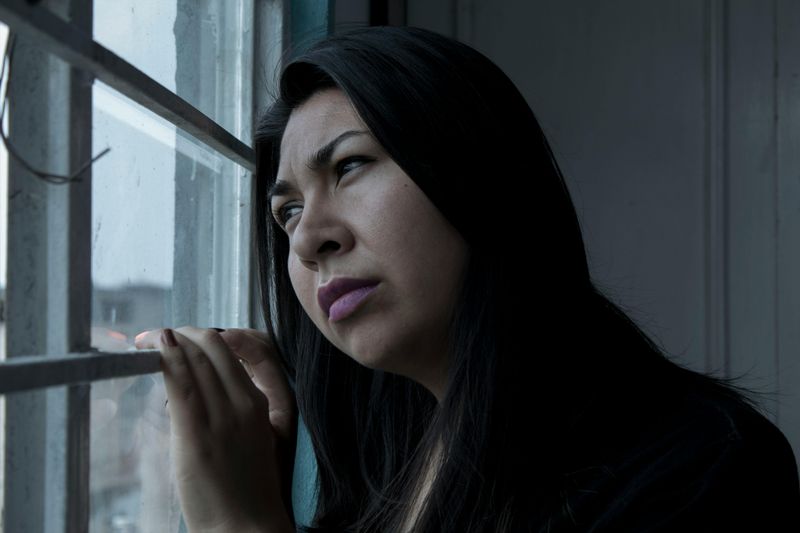
Feeling unheard and unsupported can turn a marriage into an isolating experience.
When a woman shares her feelings, concerns, or dreams only to be met with indifference or distraction, she begins to feel invisible in her own relationship.
Over time, this emotional distance creates a void that no amount of physical presence can fill.
The relationship stops feeling like a safe haven and instead becomes a source of loneliness.
Many women describe living with someone yet feeling completely alone, as though their emotional needs don’t matter.
This long-term neglect becomes unbearable, pushing them to seek divorce as a path to reclaim their emotional well-being and find genuine connection elsewhere.
2. Poor or One-Sided Communication Patterns

Have you ever tried talking to someone who just won’t listen?
Imagine that happening every single day in your marriage.
When conversations consistently turn into arguments, get dismissed, or require one person to do all the emotional heavy lifting, frustration builds rapidly.
Women often find themselves explaining the same concerns repeatedly without any real acknowledgment or change.
They become exhausted from being the only one trying to maintain open dialogue.
Eventually, the realization sets in that the marriage cannot improve if only one person is willing to communicate.
This one-sided dynamic makes divorce seem like the only option for peace and mutual respect.
3. Loss of Physical and Emotional Closeness

Months turn into years without meaningful touch, affection, or intimacy.
What was once a warm, connected relationship becomes cold and distant.
Physical closeness isn’t just about romance; it’s about feeling wanted, desired, and valued by your partner.
When that disappears, a woman can feel like a stranger in her own home.
The bed becomes just a place to sleep, and hugs become rare or nonexistent.
This disconnection affects self-esteem and creates deep loneliness.
Many women describe feeling rejected or unimportant when intimacy fades without explanation or effort to reconnect.
Eventually, living without closeness feels worse than being alone, prompting the decision to file for divorce.
4. Unequal Mental Load and Household Responsibilities
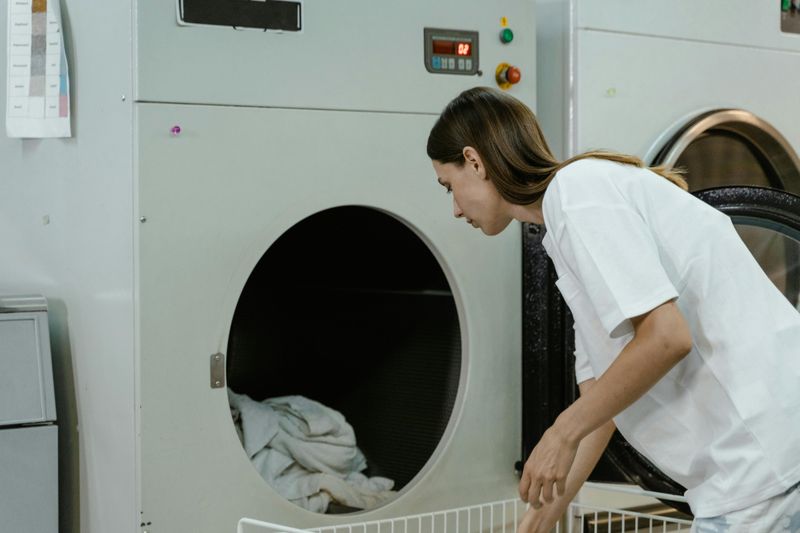
She remembers doctor appointments, plans meals, organizes schedules, manages childcare, and keeps the household running.
Meanwhile, her partner waits to be told what to do or simply doesn’t notice what needs doing.
This invisible labor is exhausting and often goes completely unrecognized.
The mental load isn’t just about chores; it’s about being the default parent, planner, and problem-solver for everything.
Resentment grows when one person carries this burden alone while the other remains passive or oblivious.
Women describe feeling more like a manager than a partner.
This imbalance creates burnout that no amount of help can fix if it’s not willingly shared from the start.
5. Living Like Roommates Instead of Partners

The marriage becomes a series of tasks, schedules, and logistics with no joy or affection in between.
Conversations revolve around bills, groceries, and who’s picking up the kids.
There’s no laughter, no spontaneous moments, no teamwork that feels loving or supportive.
It’s like living with a stranger you happen to share expenses with.
The spark is gone, replaced by routine and obligation.
Many women reach a point where they ask themselves why they’re staying in something that feels so empty.
Divorce becomes preferable to continuing a hollow relationship that lacks emotional connection, partnership, and genuine happiness together.
6. Personal Growth While Partner Remains Unchanged

She reads, learns, goes to therapy, pursues new interests, and works on becoming a better version of herself.
Meanwhile, her partner stays stuck in the same patterns, refusing to grow emotionally, mentally, or professionally.
This creates a growing gap between them that becomes impossible to ignore.
Women who invest in self-improvement often feel trapped when their partner resists change or dismisses their growth.
Conversations become superficial because they’re no longer on the same wavelength.
She outgrows the marriage, realizing she needs someone who evolves with her.
Staying feels like holding herself back, so divorce becomes the path to continue her journey forward.
7. Repeatedly Ignored Boundaries and Needs
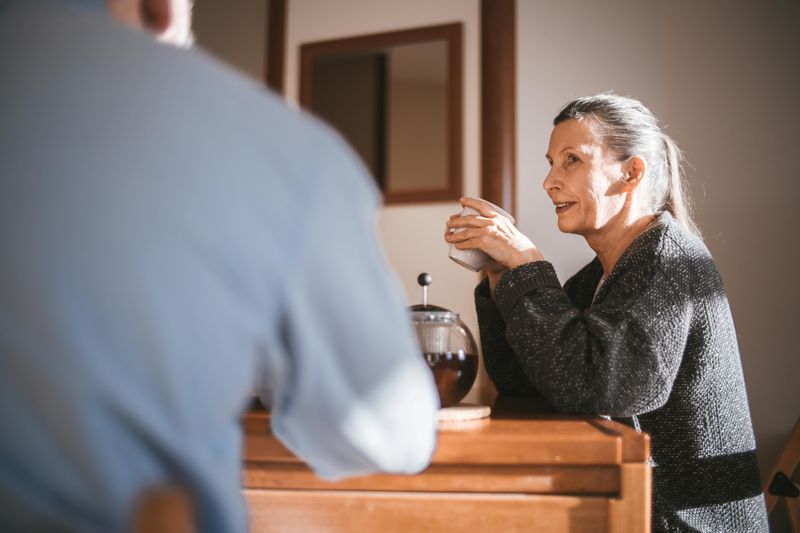
She clearly states her needs, sets boundaries, and asks for respect.
Yet time and again, her husband dismisses, ignores, or violates what she’s expressed.
Maybe he makes jokes about her concerns, continues behaviors she’s asked him to stop, or simply acts like her feelings don’t matter.
This constant disregard chips away at her sense of self-worth and respect.
Boundaries aren’t about control; they’re about mutual respect and understanding.
When someone repeatedly crosses them, it sends a clear message that her voice holds no value.
Eventually, this disrespect becomes a breaking point, making divorce the only way to reclaim her dignity and find a relationship where she’s truly heard.
8. Broken Trust and Shattered Foundation
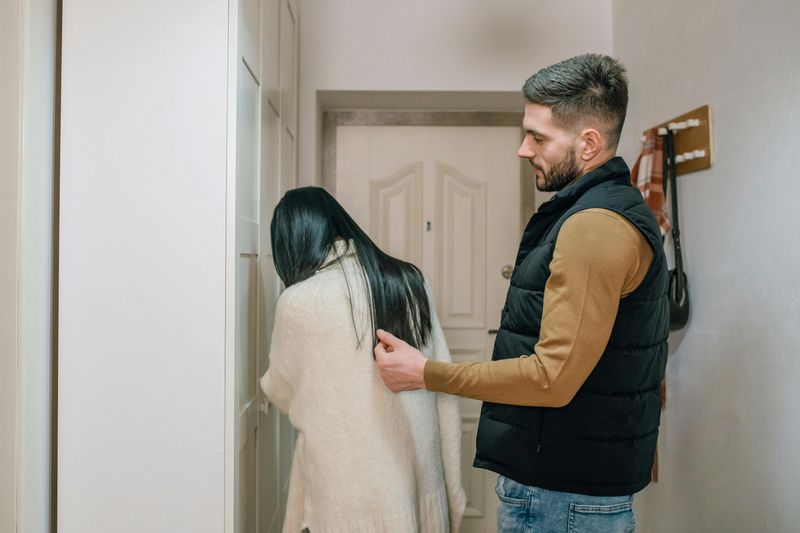
Trust is everything in marriage.
Once it’s broken through lies, secrecy, infidelity, or repeated disappointments, the entire foundation crumbles.
She might forgive once, even twice, but each betrayal makes it harder to believe anything will change.
Living with broken trust means constantly questioning, doubting, and feeling anxious.
It’s exhausting and painful.
Some women try to rebuild, but if the effort is one-sided or the behavior continues, trust becomes impossible to restore.
Many women decide that leaving is healthier than staying in a relationship where they can never feel secure or safe again.
Divorce offers a fresh start built on honesty.
9. One-Sided Effort and Commitment

Marriage should be a partnership where both people invest, compromise, and work toward shared goals.
But what happens when only one person is trying?
She attends counseling alone, initiates conversations, plans dates, and makes all the compromises while he remains indifferent or passive.
This imbalance becomes painfully obvious over time.
She realizes she’s fighting for a marriage that only she values.
The exhaustion of being the only one committed eventually leads to emotional detachment.
Filing for divorce becomes the logical next step when it’s clear the partnership is one-sided and her efforts will never be matched or appreciated.
10. Feeling Unappreciated and Carrying Emotional Weight Alone

Her efforts go unnoticed day after day.
She cooks, cleans, supports, listens, and manages everything, yet never receives acknowledgment or gratitude.
Instead, her contributions are expected, taken for granted, or criticized when things aren’t perfect.
Being the default emotional caretaker is draining, especially when there’s no reciprocity.
She comforts him through stress but gets no support during her own struggles.
This imbalance creates deep resentment and emotional exhaustion.
Eventually, she emotionally detaches as a form of self-preservation.
Once that connection is severed, filing for divorce becomes the path to finding appreciation and balance elsewhere.
11. Desire for Genuine Partnership and True Happiness

Sometimes divorce isn’t about what went wrong but about what’s missing.
Many women reach a point where they realize they want more than just coexistence.
They want equality, emotional connection, mutual respect, and personal growth within their relationship.
If the current marriage can’t provide those things despite efforts to improve, staying feels like settling for less than they deserve.
Life is too short to remain in a relationship that doesn’t bring joy or fulfillment.
Choosing divorce becomes an act of self-respect and hope for a better future.
It’s about prioritizing happiness and finding a partner who truly shares life’s journey as an equal.
Comments
Loading…