
 Jade Reed
11 Honest Reasons Older Men Avoid Dating After Loss or Divorce
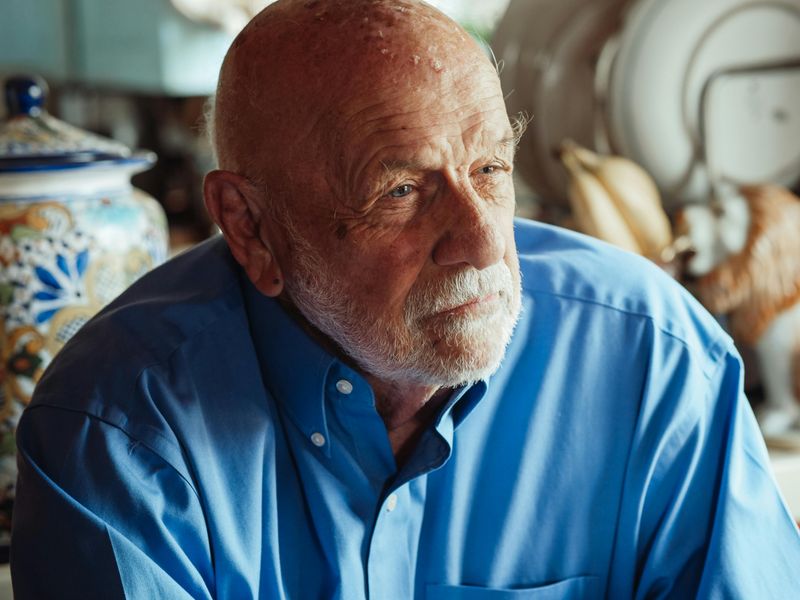
After a divorce or the death of a spouse, many older men find themselves stepping away from the dating world entirely.
It’s not always about losing interest in companionship or love.
Sometimes the reasons run much deeper, tied to emotional wounds, practical concerns, or simply a shift in priorities.
Understanding these reasons can help friends, family, and the men themselves make sense of what might feel like a confusing or isolating choice.
1. Unresolved Emotional Baggage
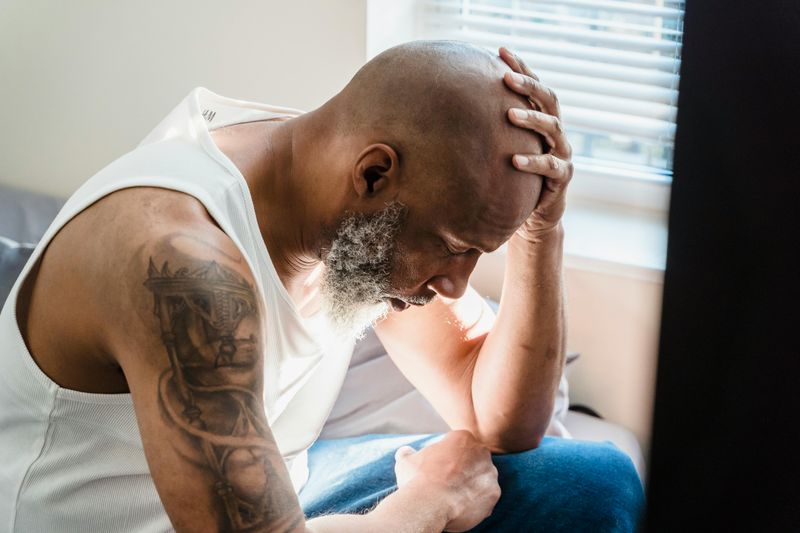
Carrying the weight of past relationships can feel like dragging a heavy suitcase everywhere you go.
Grief, resentment, guilt, or disappointment doesn’t just vanish when a marriage ends or a partner passes away.
These feelings linger, creating invisible walls that make opening up to someone new feel nearly impossible.
Emotional baggage isn’t just about sadness.
It includes unresolved anger, unanswered questions, and memories that replay at unexpected moments.
Without proper healing time or support, these emotions can block the path to forming genuine connections.
Many men recognize they’re not emotionally ready but struggle to admit it.
Taking time to process these feelings through counseling, journaling, or trusted friendships can gradually lighten the load and create space for future possibilities.
2. Fear of Rejection

Getting turned down stings at any age, but after experiencing divorce or loss, rejection can cut especially deep.
Confidence often takes a hit during these life transitions, making the idea of someone saying no feel unbearable.
The fear becomes a protective shield that keeps men from even trying.
Rejection after heartbreak feels like proof that something is fundamentally wrong.
It reinforces doubts and insecurities that might already be swirling around.
The risk of being judged or found lacking seems too high a price to pay for a chance at connection.
Building self-worth independent of romantic validation helps soften this fear.
Small social interactions and reconnecting with hobbies can gradually rebuild confidence without the pressure of dating.
3. Fear of Experiencing Heartbreak Again

Once you’ve felt your heart shatter, the thought of going through it again becomes terrifying.
Deep emotional pain leaves scars that don’t fully heal, creating a natural instinct to protect yourself from similar wounds.
Avoiding dating altogether feels like the safest strategy.
This isn’t about being weak or overly dramatic.
The human brain actually remembers pain as a warning system, making us cautious about situations that previously caused suffering.
For men who’ve endured devastating loss, their minds are essentially screaming danger signals at the thought of vulnerability.
Healing involves acknowledging that pain is part of life’s richness.
While no one can guarantee a pain-free future, learning healthy coping mechanisms makes heartbreak survivable rather than catastrophic.
4. Grief and Loyalty to a Late Partner
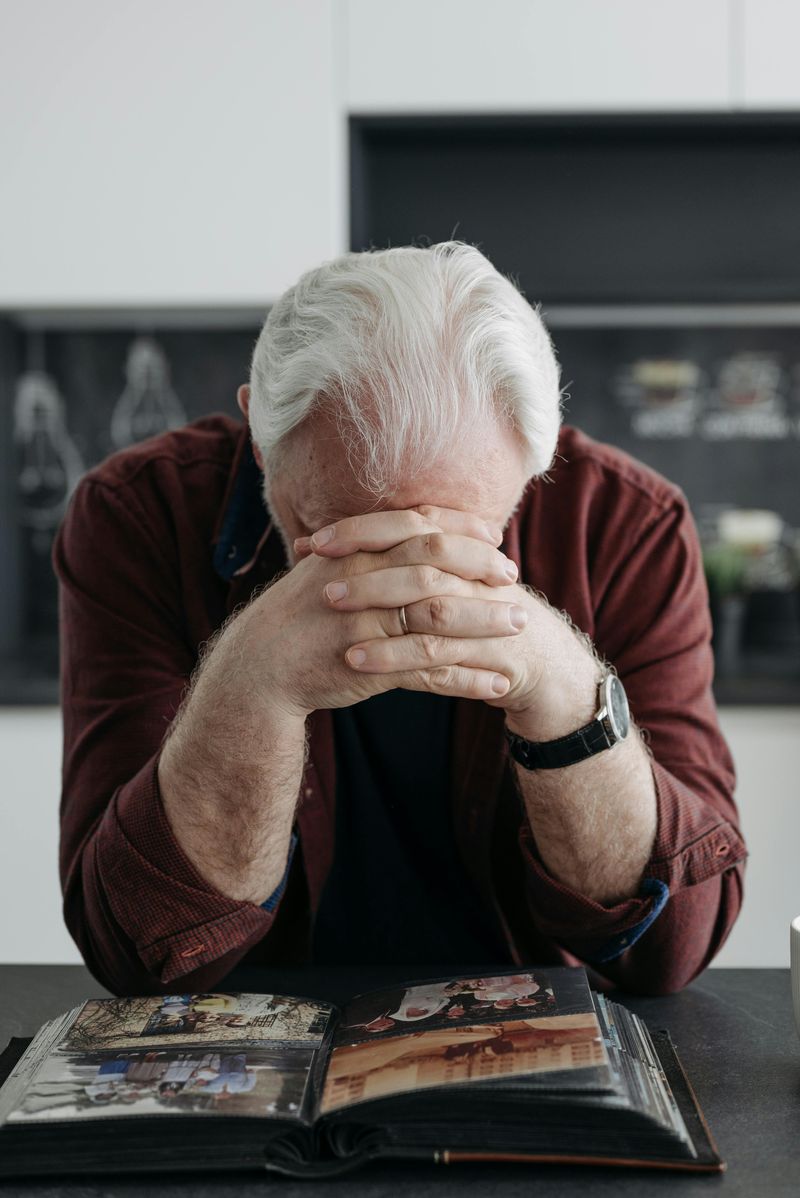
When a beloved spouse passes away, the bond doesn’t simply disappear.
Widowers often wrestle with feelings that dating somehow betrays their partner’s memory or diminishes what they shared.
This loyalty runs incredibly deep, making even casual dating feel like an act of disloyalty.
Some men worry that no future relationship could possibly measure up to what they had.
They fear comparisons, feeling guilty for even considering someone new.
The internal conflict between loneliness and loyalty creates an emotional stalemate that’s easier to avoid than resolve.
Grief counselors often remind widowers that loving again doesn’t erase previous love.
Hearts have room for multiple chapters, and honoring the past doesn’t require closing the door on the future.
5. Comfort in Independence

Living alone eventually transforms from lonely to liberating.
After years of compromise and shared space, many men discover genuine peace in independence.
They eat what they want, watch what they please, and follow their own schedules without negotiation or explanation.
This comfort becomes a lifestyle that feels too valuable to risk.
The thought of adjusting routines, sharing decisions, or accommodating someone else’s preferences starts feeling more like a burden than a blessing.
Freedom becomes the new relationship status.
While independence offers real benefits, it’s worth examining whether comfort has crossed into isolation.
Healthy relationships don’t require sacrificing all autonomy, and finding balance between togetherness and personal space is possible with the right partner.
6. Uncertainty About Modern Dating

Dating has transformed dramatically over recent decades, leaving many older men feeling like strangers in a foreign land.
Swipe culture, text etiquette, profile pictures, and online messaging create a minefield of unfamiliar rules.
What used to involve face-to-face conversation now starts with carefully crafted digital personas.
The learning curve feels steep and frankly exhausting.
Terms like ghosting, breadcrumbing, and catfishing sound like nonsense, yet they’re apparently common experiences.
Many men simply opt out rather than navigate this bewildering new landscape.
While modern dating has challenges, it also offers opportunities to meet compatible people outside traditional social circles.
Taking time to learn the basics or asking younger friends for guidance can demystify the process considerably.
7. Concerns About Family Reactions

Adult children often have surprisingly strong opinions about their father’s romantic life.
Some worry about protecting their inheritance, others feel it disrespects their mother’s memory, and many simply struggle seeing their dad with someone new.
This family pressure creates significant hesitation.
The desire to maintain peace and avoid conflict with loved ones can outweigh the desire for companionship.
Men find themselves weighing whether potential happiness is worth the family drama that might follow.
Often, keeping everyone else comfortable wins out.
Open conversations with family members about needs, boundaries, and mutual respect can help.
Adult children eventually recognize that their father deserves happiness and companionship, even if adjustment takes time.
8. Financial Worries

Divorce often comes with hefty financial consequences that reshape retirement plans entirely.
Alimony payments, asset division, legal fees, and maintaining two households instead of one can devastate carefully built nest eggs.
Adding dating expenses feels financially irresponsible when budgets are already stretched thin.
Beyond immediate costs, there’s legitimate concern about protecting remaining assets.
Blending finances or even casual dating expenses raise red flags for men already burned by financial loss.
The risk of being taken advantage of feels very real.
Financial concerns deserve attention, but they shouldn’t automatically eliminate companionship possibilities.
Setting clear boundaries, taking relationships slowly, and consulting financial advisors can provide security while leaving room for connection.
9. Health Issues or Aging Concerns

Aging bodies don’t always cooperate with romantic aspirations.
Physical limitations, chronic health conditions, lower energy levels, and changing appearance can shake confidence to its core.
Many men feel they no longer have much to offer a potential partner, leading them to withdraw entirely.
Insecurity about performance, whether physical intimacy or simply keeping up with activities, creates embarrassment and shame.
Rather than risk exposure or disappointment, avoiding dating altogether feels safer and more dignified.
Pride becomes a barrier to vulnerability.
Health challenges are common at this life stage and don’t disqualify anyone from companionship.
Many potential partners face similar issues and value emotional connection, shared interests, and genuine compatibility over physical perfection.
10. Doubts About Compatibility

Decades of living a certain way creates deeply ingrained habits, routines, and preferences.
Morning rituals, household organization, social circles, and daily schedules become non-negotiable parts of identity.
The idea of blending these established patterns with someone else’s feels overwhelmingly complicated.
Compatibility concerns extend beyond logistics to core values, political views, religious beliefs, and lifestyle choices.
Finding someone who genuinely fits seems statistically improbable, making the search feel futile before it even begins.
Why bother when the odds seem so poor?
While compatibility matters, perfection doesn’t exist at any age.
Successful relationships require flexibility, communication, and willingness to compromise.
Shared values matter more than identical habits.
11. Belief That Love Isn’t Meant for Them Anymore
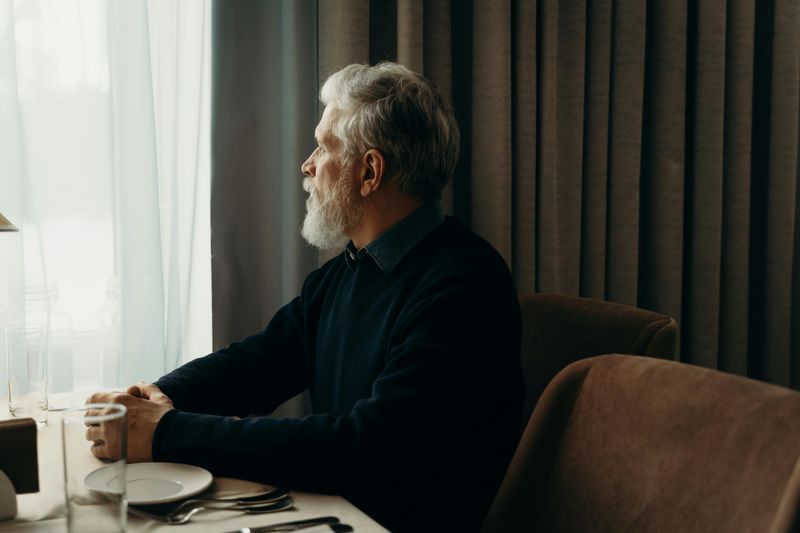
After significant loss or disappointment, some men reach a quiet conclusion that romance simply isn’t part of their remaining chapters.
This isn’t necessarily depression or giving up, but rather acceptance of a different life path.
They redirect energy toward hobbies, friendships, grandchildren, or personal projects.
This belief often stems from experiences that suggest love brings more pain than joy.
The cost-benefit analysis no longer makes sense, and peace seems more attainable through solitude.
It becomes a philosophical stance rather than a temporary phase.
While respecting personal choices matters, this belief deserves gentle examination.
Sometimes it’s genuine contentment, other times it’s protective resignation masking deeper fears.
Honest self-reflection can reveal which is true.
Comments
Loading…