
 Jade Reed
10 Ways People Use Relationships to Avoid Themselves

Relationships can be beautiful, offering companionship, intimacy, and shared joy, but sometimes they also become hiding spots. When people avoid confronting their own fears, insecurities, or unresolved emotional wounds, they may turn to romantic partnerships as a form of escape or distraction.
In these moments, instead of growing and healing individually, they lose themselves in another person, seeking comfort or validation. They hope the connection will fill the emptiness inside, but no matter how close the bond, it can never replace the work needed within themselves.
1. Constant Need for Validation

Some people rely entirely on their partner’s approval to feel good about themselves.
Without daily compliments or reassurance, they spiral into self-doubt and anxiety.
This dependency prevents them from building genuine self-esteem from within.
Rather than working on self-acceptance, they demand endless affirmations from their partner.
The relationship becomes exhausting because one person is always fishing for praise.
True confidence comes from internal work, not external validation.
When the compliments stop, panic sets in.
They might pick fights or act out just to get attention and reassurance again.
2. Serial Dating Without Breaks
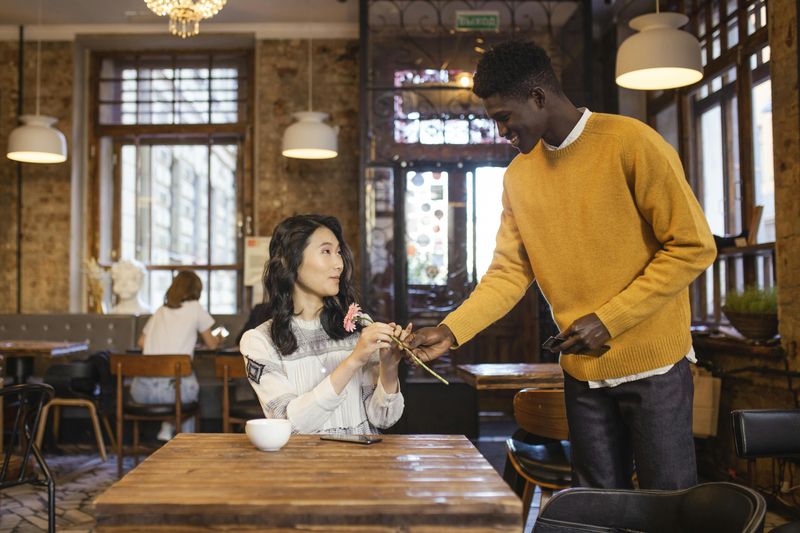
Jumping from one relationship straight into another leaves no room for self-reflection.
People who do this often fear being alone because solitude forces them to confront uncomfortable truths.
The pattern becomes a cycle where they never truly heal from past relationships.
Each new partner is a temporary Band-Aid over deeper wounds.
Without time to process emotions and learn from mistakes, the same problems resurface repeatedly.
Personal growth requires stillness and honest self-examination.
Breaking this pattern means taking intentional time between relationships.
Healing happens in the quiet moments, not in the chaos of constant romance.
3. Losing Personal Hobbies and Interests

When someone abandons their passions to revolve entirely around their partner, they’re avoiding themselves.
Hobbies and interests are expressions of identity, and giving them up means losing touch with who you are.
The relationship becomes the only source of identity and fulfillment.
Friends get neglected, creative pursuits are forgotten, and personal goals take a backseat.
This creates an unhealthy imbalance where one person has no life outside the relationship.
Eventually, resentment builds or the relationship feels suffocating.
Maintaining individual interests keeps relationships healthy and balanced.
Partners should enhance your life, not replace it entirely.
4. Avoiding Difficult Emotions Through Romance

Heartbreak, career disappointment, or family trauma can feel overwhelming.
Instead of processing these emotions, some people dive headfirst into romance as a distraction.
The intensity of new love temporarily masks the pain underneath.
However, unprocessed emotions don’t disappear—they resurface later, often damaging the relationship.
Using another person as an emotional escape is unfair to both parties.
Real healing requires facing pain head-on, not running from it.
Therapy, journaling, or talking with trusted friends provides healthier outlets.
Romance should complement emotional wellness, not substitute for it.
Genuine connections thrive when both people have done their inner work.
5. Making Your Partner Responsible for Happiness

Believing that someone else can make you happy is a dangerous myth.
When people place this burden on their partner, they avoid taking responsibility for their own emotional well-being.
The partner becomes exhausted trying to fill an impossible role.
Happiness is an inside job that requires self-care, purpose, and personal fulfillment.
No relationship can fix deep-seated unhappiness or lack of direction.
Expecting your partner to be your sole source of joy creates unrealistic pressure.
Healthy relationships involve two already-content people choosing to share their lives.
Building your own happiness through meaningful work, friendships, and self-development is essential.
6. Ignoring Red Flags to Stay Comfortable

Fear of being alone makes people tolerate behaviors they know are wrong.
They ignore dishonesty, disrespect, or incompatibility because leaving means facing themselves.
Staying in the wrong relationship feels safer than confronting the unknown.
This avoidance keeps people stuck in unhealthy patterns for years.
They rationalize bad behavior and make excuses rather than acknowledging the truth.
Self-respect requires the courage to walk away when something isn’t right.
Being single is better than being in a relationship that diminishes your worth.
Facing yourself means having standards and honoring them, even when it’s uncomfortable or scary.
7. Using Conflict to Avoid Vulnerability

Starting arguments can be a defense mechanism against real intimacy.
When conversations get too deep or emotional, some people create conflict as a diversion.
Fighting feels safer than opening up and showing their true selves.
Vulnerability requires courage because it means risking rejection or judgment.
Creating drama shifts focus away from uncomfortable feelings and keeps the relationship surface-level.
Unfortunately, this pattern prevents genuine emotional connection from forming.
True intimacy happens when both people feel safe being authentic.
Learning to sit with discomfort and share honestly builds stronger bonds than constant fighting ever could.
8. Changing Your Personality to Please Others

Molding yourself into what you think your partner wants means abandoning your authentic self.
People do this to avoid the fear that their real personality might not be lovable enough.
They become chameleons, constantly adjusting to keep their partner happy.
This exhausting performance can’t be maintained forever.
Eventually, resentment builds or the real self emerges, causing confusion and conflict.
Pretending to be someone else prevents genuine connection because your partner never meets the real you.
Authentic relationships require showing up as yourself, flaws and all.
The right person will appreciate your true nature without requiring constant transformation or performance.
9. Focusing on Fixing Your Partner

Obsessing over changing or improving your partner is a convenient way to avoid your own issues.
Playing therapist or savior keeps attention directed outward rather than inward.
The relationship becomes a project rather than a partnership.
This dynamic often attracts people who enjoy feeling needed or superior.
However, it’s ultimately disrespectful because it assumes your partner is broken and needs fixing.
Meanwhile, your own growth gets completely neglected.
Everyone is responsible for their own development and healing.
Healthy relationships involve supporting each other’s growth, not trying to control or change fundamental aspects of who someone is.
10. Rushing Physical Intimacy to Skip Emotional Connection

Moving quickly into physical intimacy can be a way to avoid the vulnerability of emotional closeness.
It creates a false sense of connection without requiring real communication or trust-building.
The relationship stays surface-level because deeper conversations never happen.
Physical chemistry is important, but it can’t sustain a relationship alone.
Using it as a substitute for emotional intimacy means avoiding the harder work of truly knowing someone.
This pattern often leads to relationships that feel empty despite physical closeness.
Building emotional connection first creates a stronger foundation.
Taking time to communicate, share experiences, and develop trust leads to more fulfilling relationships in every way.
Comments
Loading…