
 Hailey Watson
10 Types of People You’ll Regret Dating Every Time

Dating is supposed to feel exciting, hopeful, and a little bit brave, especially when you’re letting someone new into your routines, your weekends, and your future plans.
The problem is that attraction can be loud, while character is quieter and takes time to reveal itself.
Many of the relationships people regret didn’t start with obvious red flags; they started with charm, chemistry, and just enough effort to make you ignore the uneasy feeling in your gut.
Over time, though, certain patterns reliably lead to stress, self-doubt, and exhaustion, no matter how much you try to “communicate better” or “be more understanding.”
If you’ve ever looked back and wondered why you stayed as long as you did, you’re not alone.
Here are ten types of people who tend to leave the same lesson behind every single time.
1. The “Future Faker”

Early on, everything feels like a movie trailer for an amazing life together, because they talk about it constantly.
Plans come fast and big: vacations you’ll take, apartments you’ll share, even how you’ll do holidays with family.
The problem is that their words don’t match their actions, and the timeline keeps getting pushed back whenever you ask for something concrete.
You might find yourself waiting for the “real” relationship to begin, even though months have passed.
When you bring up the mismatch, they often get sentimental, blame timing, or accuse you of pressuring them.
Eventually, you realize you weren’t building a future; you were being kept hopeful.
It’s a painful kind of manipulation because it looks like romance until it doesn’t.
2. The Chronic Flake

At first, it can seem harmless, like they’re just busy or spontaneous, and you don’t want to be the person who complains.
Then the pattern becomes impossible to ignore: plans get changed at the last minute, replies come hours later, and “something came up” becomes their default excuse.
You start rearranging your schedule to make things easier for them, only to get hit with another cancellation that leaves you feeling foolish for trying.
Worse, they often act like you’re overreacting when you say consistency matters.
Over time, the relationship teaches you to lower your expectations, which is not the same thing as being chill.
Reliability is a form of respect, and they simply don’t offer it.
3. The Commitment Dodger (But Wants All the Benefits)

A relationship can drift into an awkward limbo when someone enjoys your company but refuses to call you their partner.
They’ll text daily, sleep over, and lean on you emotionally, yet they get vague when you ask where things are going.
You may notice they keep their options open while expecting you to behave as if you’re exclusive, which is a convenient double standard.
Whenever the “what are we?” conversation comes up, they tend to change the subject, joke it away, or say labels don’t matter.
Meanwhile, your time, energy, and loyalty are being spent on a situation that isn’t secure.
The regret usually hits when you realize you acted committed to someone who never chose you clearly.
4. The Financial Freeloader

Money issues don’t always show up as obvious greed; sometimes they arrive as constant “bad luck” that you’re expected to fix.
They might forget their wallet, ask you to cover dinner “just this once,” or borrow small amounts that never get repaid.
Slowly, you become the one who plans around their budget, pays for shared experiences, and feels guilty for wanting balance.
If you bring it up, they often make you feel petty, as though expecting fairness is a character flaw.
The most draining part is the entitlement that grows over time, because generosity becomes an assumption rather than a gift.
Financial partnership is about transparency and responsibility, not rescue missions.
Dating someone who leans on you like a safety net can quietly drain your confidence and your bank account.
5. The “Fixer-Upper” Project

Potential can be intoxicating, especially when you’re compassionate and you see the best in people.
You might tell yourself they’ll mature, become more motivated, or finally get their life together once they feel supported.
The trouble is that love doesn’t replace personal responsibility, and your encouragement can turn into unpaid coaching.
You start managing their goals, smoothing their messes, and absorbing their consequences, while your own needs get pushed to the side.
They may even praise you for being “the only one who believes in them,” which makes it harder to step back.
Eventually, resentment builds because you’re dating who they could be, not who they are today.
The regret comes when you realize you poured effort into a transformation they never truly committed to making.
6. The Jealous Scorekeeper

A relationship becomes exhausting when everything is tracked like a competition.
Instead of generosity, you get tally marks: who paid last, who initiated the date, who texted first, who “did more.”
Small disagreements turn into long debates about fairness, and you can feel like you’re constantly on trial.
Often, the scorekeeper isn’t truly asking for balance; they’re looking for leverage, so they can win arguments and keep you feeling indebted.
Even affectionate moments get complicated because you wonder whether kindness comes with strings attached.
When love becomes a ledger, intimacy starts to feel transactional, which kills emotional safety.
The regret usually shows up when you realize you were never allowed to simply be human, because every mistake became evidence and every favor became a receipt.
7. The Secretive Phone-Guarder

Privacy is normal, but secrecy has a different vibe, and your nervous system can tell the difference.
You’ll notice how they angle their screen away, get tense if you walk behind them, or suddenly guard their phone like it contains state secrets.
They may disappear for hours, give vague explanations, and act offended when you ask basic questions.
The worst part is how quickly your reality gets questioned, because they frame your concerns as jealousy rather than responding with reassurance and clarity.
Over time, you start doubting yourself, even when the pattern is obvious.
Whether they’re cheating, messaging exes, or living a double life, the outcome is the same: you spend the relationship trying to feel secure instead of actually being secure.
That constant uncertainty is what people regret most.
8. The Boundary Pusher

Someone who respects you won’t treat your limits like a challenge, yet boundary pushers do it in subtle, persistent ways.
They pressure you to move faster, guilt you for saying no, and test what they can get away with while pretending it’s playful.
If you speak up, they often claim you “can’t take a joke” or accuse you of being dramatic, which shifts the focus from their behavior to your reaction.
Over time, you may find yourself agreeing to things just to avoid conflict, and that’s when resentment and anxiety start creeping in.
Healthy relationships make you feel safer and more confident, not smaller and more tense.
The regret comes from realizing you ignored discomfort because you wanted to be easygoing, when you actually needed to be protected.
9. The Constant Critic (Disguised as “Honest”)

It rarely starts as cruelty; it starts as “helpful feedback” that always seems to land as a little sting.
They comment on your appearance, your choices, your friends, your spending, or your goals, then insist they’re just being real.
Over time, the critiques add up, and you begin editing yourself to avoid another remark.
You might stop wearing what you love, feel uneasy sharing good news, or second-guess your instincts because they’ve trained you to doubt your judgment.
The most damaging part is the slow erosion of self-esteem, because it doesn’t feel like one big betrayal; it feels like a thousand small cuts.
A loving partner can be honest without being harsh.
The regret hits when you realize you got used to being diminished.
10. The Drama Magnet
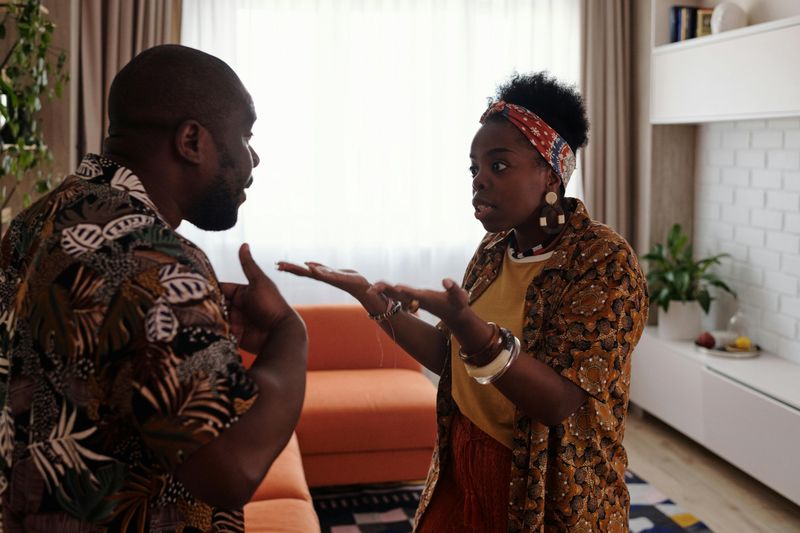
Some people don’t just experience chaos; they seem to attract it, escalate it, and then live off the adrenaline.
There’s always conflict with an ex, tension at work, a friendship blowing up, or a family crisis that becomes your emotional burden.
Peaceful weeks feel suspicious because they’re used to intensity, so they create problems when things are calm.
You may start spending your relationship managing fallout, offering reassurance, and putting out fires you didn’t start.
The constant upheaval can make you tired in a way that sleep doesn’t fix, because it’s your nervous system that’s exhausted.
Eventually, you realize love shouldn’t feel like an emergency.
The regret comes from staying long enough that drama started to feel normal, even though it never was.
Comments
Loading…