
 Hailey Watson
10 Things People Usually Regret Not Saying Before They Die

Some words carry far more weight than we ever realize — often only becoming clear when it’s too late to say them. Throughout life, we leave so many things unsaid: feelings we never expressed, apologies we never made, and love we never voiced.
As people approach the end of their lives, many wish they had spoken up, opened their hearts, or simply told someone what they truly meant to them. Those unspoken words can linger, quietly haunting both the living and the dying, leaving hearts heavy with regret. Here are ten things people most often wish they had said before they die.
1. “I Love You.”

Three small words.
Enormous weight.
So many people assume that love is understood without being said out loud, but the truth is — hearing it matters more than we think.
Saying “I love you” out loud gives the other person something they can hold onto forever.
It removes doubt, melts distance, and fills a room with warmth that no gift ever could.
Don’t let pride or awkwardness stop you.
Whether it’s a parent, a child, a friend, or a partner, say it clearly and say it often.
You will never regret it — but you might deeply regret staying silent.
2. “I Forgive You.”

Carrying a grudge is like dragging a heavy backpack everywhere you go — exhausting, painful, and completely unnecessary.
Forgiveness isn’t about saying what someone did was okay.
It’s about freeing yourself from the weight of resentment.
Studies have actually shown that forgiving others leads to lower stress, better sleep, and a healthier heart.
Emotionally and physically, letting go is powerful medicine.
Many people on their deathbeds wish they had said “I forgive you” sooner — not for the other person’s sake, but for their own peace.
Life is too short to carry anger to the very end.
3. “Please Forgive Me.”

Swallowing your pride long enough to say “please forgive me” might be one of the bravest things a person can do.
Apologies require vulnerability — and that’s exactly why so many people avoid them.
Regret has a funny way of growing louder with age.
What felt too embarrassing to say at 40 becomes a crushing weight at 80.
Unresolved wrongs have a way of following us.
Reaching out and asking for forgiveness — even years later — can repair broken relationships and bring unexpected peace.
The person you wronged may surprise you with their warmth.
Start with “I’m sorry.
Please forgive me.”
4. “Thank You.”

Gratitude is one of the most underused superpowers we have.
Yet so many people float through life receiving kindness, support, and love without ever pausing to say a genuine “thank you.”
Think about the people who shaped your path — a teacher who believed in you, a neighbor who showed up during a hard time, a sibling who always had your back.
Did you ever truly thank them?
Saying thank you out loud transforms a moment.
It tells someone that their effort mattered, that they were seen.
Don’t let the people who made your life better go without knowing it.
5. “I’m Proud of You.”
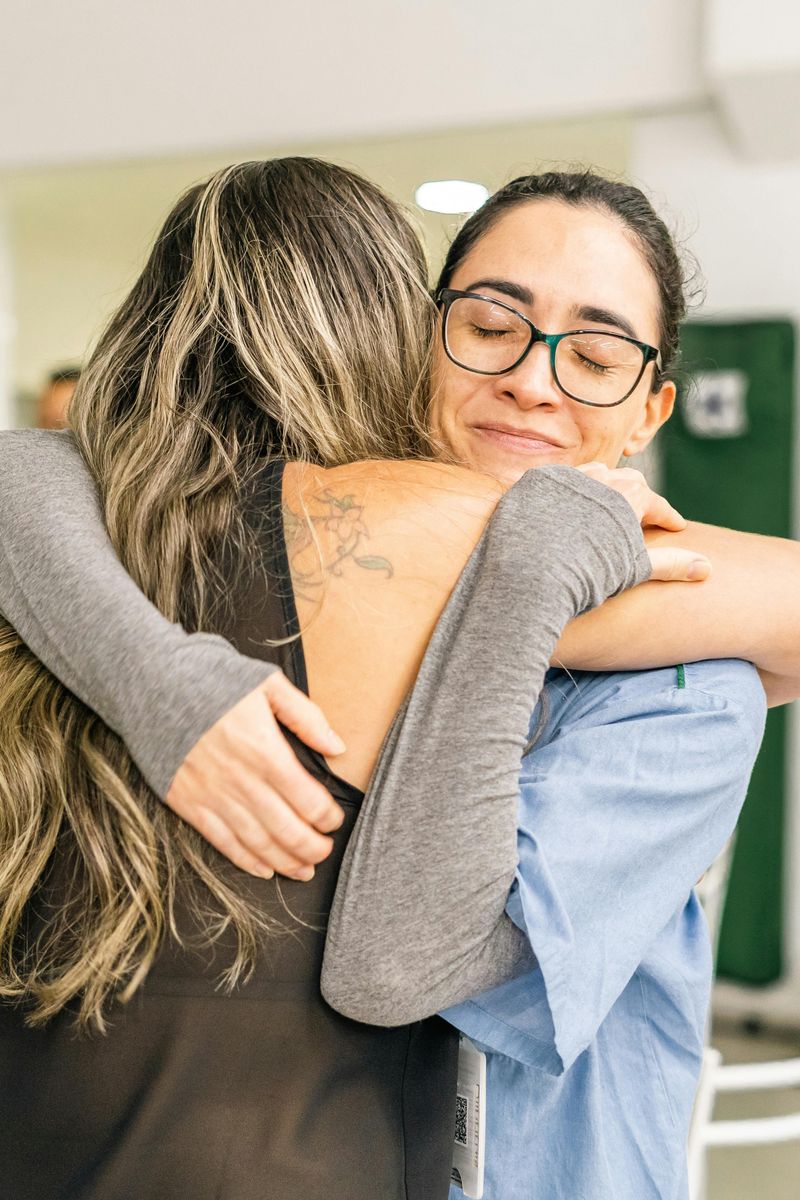
Here’s something heartbreaking: many people go their entire lives never once hearing their parents say “I’m proud of you.” That silence leaves a mark that can last decades.
Pride is one of those emotions people feel deeply but express rarely.
Maybe they assume the other person already knows.
Maybe showing emotion feels uncomfortable.
But the impact of saying those words out loud is enormous.
Whether it’s your child, your friend, or a student you’ve mentored — tell them.
A simple “I’m proud of you” can become the sentence someone replays in their mind for the rest of their life.
6. “I’m Sorry for Hurting You.”

There’s a big difference between “I’m sorry you feel that way” and “I’m sorry for hurting you.” One deflects.
The other takes real responsibility — and people can feel that difference instantly.
Hurt doesn’t always come from dramatic events.
Sometimes it’s the careless comment, the broken promise, or the years of emotional absence that leave the deepest wounds.
Those quiet hurts deserve acknowledgment too.
Saying “I’m sorry for hurting you” opens a door that might have been closed for years.
It says: I see you, I see what I did, and you mattered enough for me to say so.
That’s powerful.
7. “I’m Proud of Myself.”

Self-compassion is something most people are terrible at.
We spend so much time criticizing ourselves that we forget to acknowledge how far we’ve actually come.
Did you raise good kids despite a tough childhood?
Did you survive something that nearly broke you?
Did you build something meaningful from nothing?
Those things deserve recognition — from you, to you.
People who never take a moment to say “I’m proud of myself” often reach old age feeling like they wasted their lives — even when they didn’t.
Give yourself credit.
Celebrate your resilience.
You’ve earned more praise than you probably know.
8. “I’ll Miss You.”

Sometimes the hardest goodbyes are the ones we don’t know are the last ones.
Life has a way of ending chapters without giving us a warning — and that makes unspoken farewells one of the deepest regrets people carry.
Saying “I’ll miss you” isn’t weakness.
It’s honesty.
It tells someone that your life is richer because they’re in it, and that their absence will genuinely leave a hole.
Whether someone is moving away, aging, or facing illness, say it now.
Don’t wait for a perfect moment.
Look them in the eyes and let them know — they will be missed.
Deeply and truly missed.
9. “I Appreciate You.”
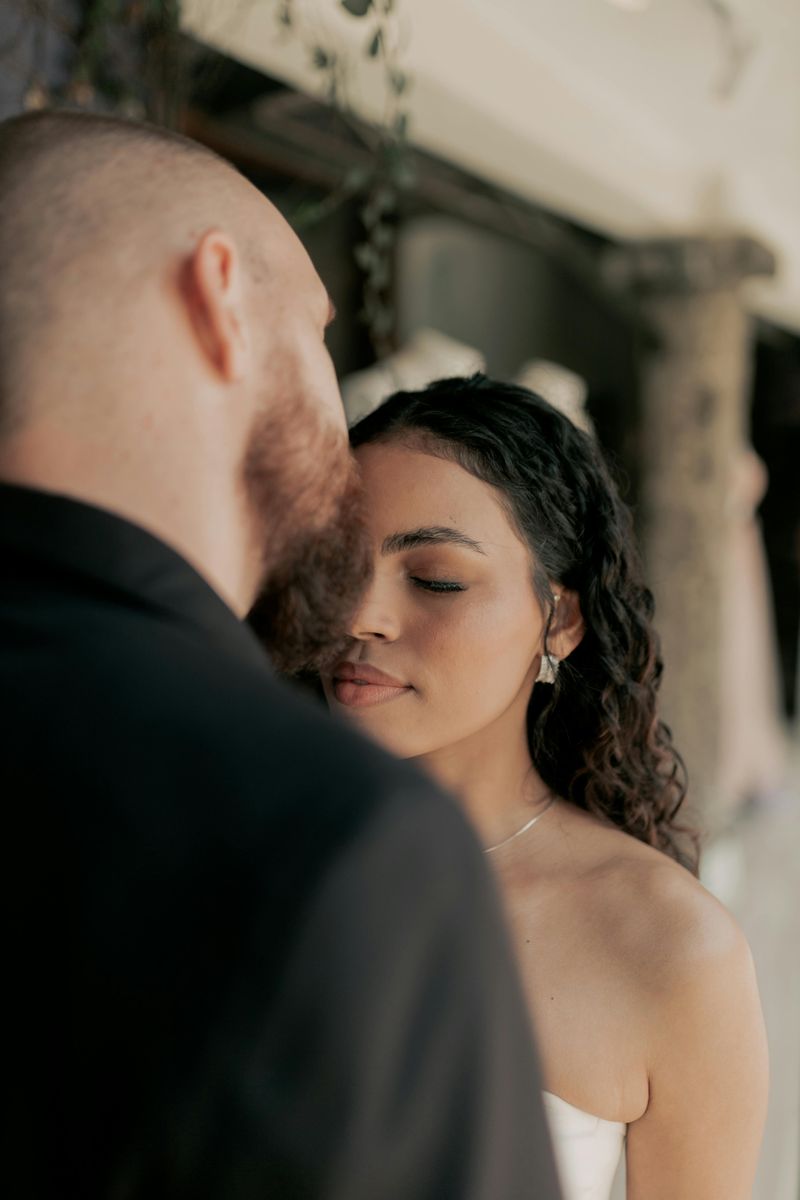
Appreciation and love are cousins, but they’re not the same thing.
You can love someone and still forget to appreciate the specific things they do — the meals they cook, the calls they make, the quiet ways they show up for you.
“I appreciate you” goes beyond the general.
It says: I notice you.
I see the effort.
I don’t take you for granted.
That kind of recognition means the world to people who give quietly without asking for anything back.
Make it a habit to say it out loud.
Appreciation spoken aloud is a gift that costs nothing and means everything to the person who receives it.
10. “I Lived My Way.”

Bronnie Ware, a palliative care nurse, wrote about the most common regret she heard from dying patients: “I wish I had lived a life true to myself, not the life others expected of me.” That sentence says everything.
So many people spend their years chasing someone else’s definition of success, happiness, or respectability.
They follow the safe path, silence their dreams, and wake up at 80 wondering who they were really living for.
Saying “I lived my way” at the end of your life is one of the greatest gifts you can give yourself.
Start making choices now that your future self will be proud of.
Comments
Loading…