
 Isabel Parker
10 Things Men Say Only When They’re Deeply Hurt

Men often struggle to express their emotional pain openly.
Society teaches them to be strong and hide their feelings, making it hard to share what hurts.
When men are deeply wounded, they use specific phrases that sound casual but actually reveal serious inner turmoil.
Understanding these hidden signals can help you recognize when someone you care about needs support.
1. “I’m fine, really.”
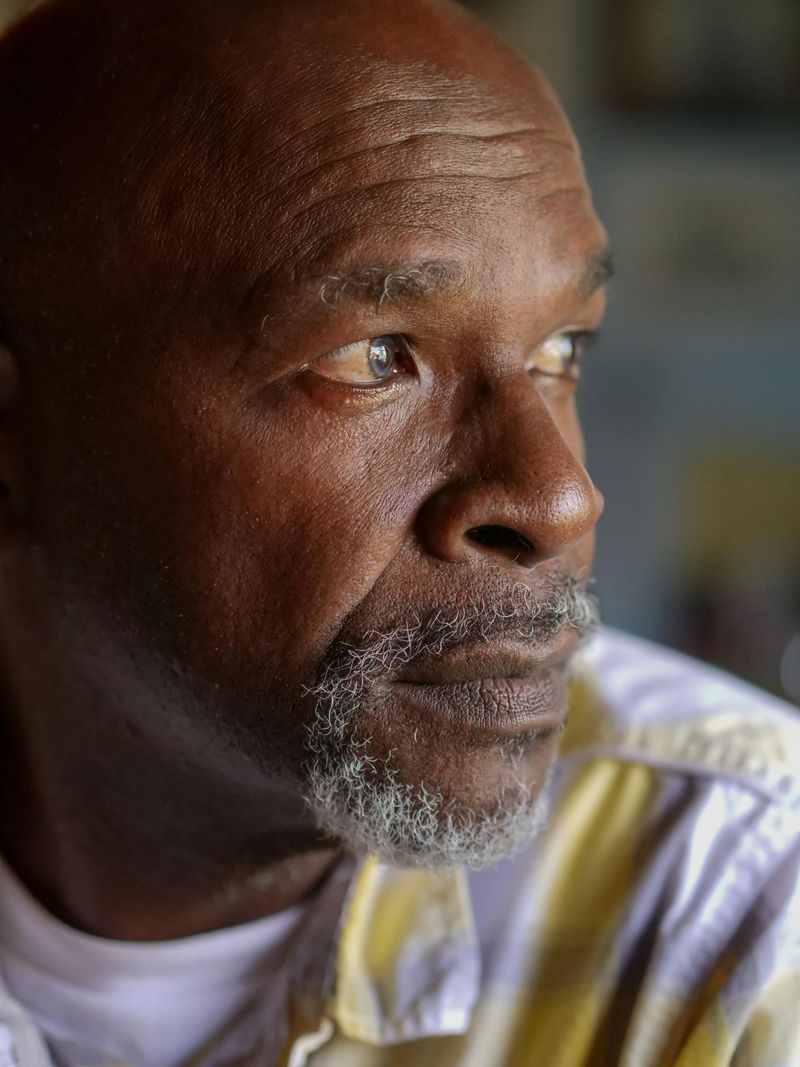
This phrase acts like armor for wounded feelings.
When a man says he’s fine but his body language screams otherwise, he’s building walls around his emotions.
Many guys learn early that showing pain makes them seem weak.
So they paste on a smile and insist everything’s okay, even when their world feels shaky.
This protective response keeps others at a distance while they process hurt privately.
The repetition of “really” often signals the opposite of what’s being said.
It’s an extra layer of defense meant to convince both the listener and himself that vulnerability isn’t necessary right now.
2. “I don’t want to talk about it.”

Shutting down conversation becomes the easiest escape route when emotions feel too heavy to handle.
Words can feel impossible to find when someone’s drowning in confusion or pain.
Guys sometimes fear that opening up will make things worse or expose them to judgment.
They worry their feelings won’t be understood or taken seriously.
This creates a cycle where silence feels safer than risking rejection or mockery.
Behind this statement lies a person who might desperately need connection but doesn’t know how to ask for it.
The emotional overwhelm makes vulnerability feel like standing on the edge of a cliff without a safety net.
3. “It’s not a big deal.”

Minimizing pain becomes second nature when you’ve been taught that your feelings don’t matter as much as others’.
This phrase shrinks enormous hurt into something manageable-sounding.
Many men downplay their emotions because they’ve experienced dismissal before.
Maybe past attempts to share feelings were met with eye rolls or accusations of being dramatic.
So they learned to make themselves smaller, less troublesome, easier to ignore.
The truth hidden beneath these words often involves deep disappointment or betrayal.
But admitting that something matters means risking further hurt if nobody validates those feelings.
Pretending indifference becomes a survival strategy.
4. “Whatever you want.”
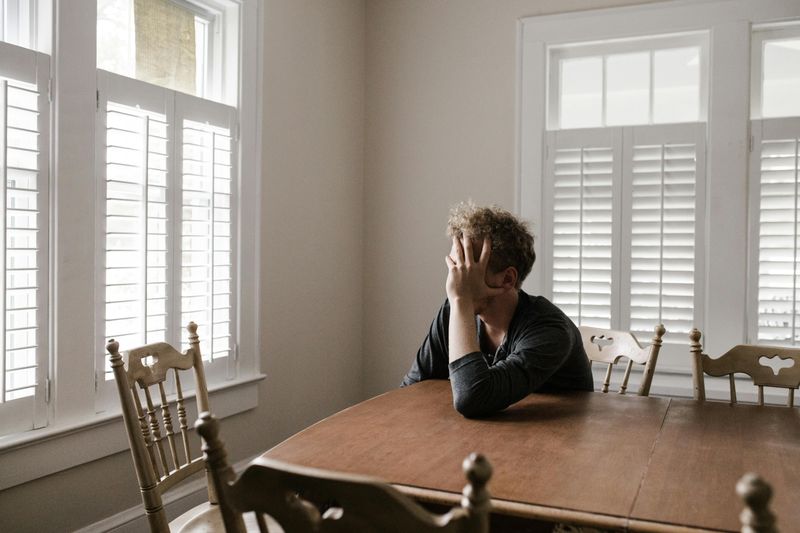
Complete emotional surrender sounds like this simple phrase.
When someone stops fighting for their needs, they’ve likely hit a wall of exhaustion or hopelessness.
This response emerges after repeated attempts to be heard have failed.
The person feels invisible, unimportant, or constantly overruled.
Rather than continue the painful cycle of trying and losing, they simply give up their voice entirely.
What sounds like flexibility is actually withdrawal.
The speaker has disconnected from the outcome because staying invested hurts too much.
Their opinions and desires have been pushed aside so many times that silence feels like the only option left.
5. “I’m just tired.”

Physical exhaustion becomes the perfect disguise for emotional depletion.
Blaming tiredness feels safer than admitting to stress, sadness, or resentment building underneath.
Everyone understands being tired, so it’s an acceptable excuse that doesn’t invite uncomfortable questions.
But emotional fatigue weighs differently than physical tiredness.
It drains hope, patience, and the ability to cope with daily challenges.
The addition of “don’t read into it” is a warning sign itself.
When someone preemptively defends against deeper inquiry, they’re usually hiding something significant.
Hidden resentments and unprocessed hurt often masquerade as simple exhaustion because that’s easier to explain.
6. “You’re being too sensitive.”

Deflection becomes a shield when someone can’t face their own contribution to conflict.
Accusing others of overreacting shifts blame away from personal wounds that feel too raw to acknowledge.
This phrase often emerges when a man feels cornered by emotions he doesn’t know how to process.
Instead of admitting hurt or examining his role in a problem, he attacks the other person’s emotional response.
It’s easier to make someone else wrong than to sit with uncomfortable feelings.
Underneath this defensive reaction usually sits unhealed pain or fear of vulnerability.
The speaker avoids confronting emotional wounds by making the conversation about someone else’s supposed weakness instead.
7. “I don’t care.”

Emotional numbness speaks through these three words.
When someone has tried repeatedly to fix things without success, caring starts to feel dangerous and pointless.
This phrase marks a turning point where hope has faded.
The person has likely experienced disappointment so many times that shutting down emotions feels like self-preservation.
Caring hurts too much when nothing changes, so they simply stop allowing themselves to feel invested.
Apathy becomes protection against further pain.
But underneath the indifference usually lies a heart that cared too much for too long.
The shutdown happened because the opposite was once true, and the weight of constant caring without results became unbearable.
8. “This is too much for me.”

Admitting defeat sounds like this honest confession.
When someone verbalizes their limits, they’ve reached a breaking point where continuing feels impossible.
This statement represents a rare moment of vulnerability.
Rather than pretending to handle everything, the person acknowledges they’re drowning.
Emotional overload has exceeded their capacity to cope, process, or maintain composure any longer.
Recognizing personal limits takes courage, especially for men taught to endure everything silently.
This phrase signals that continued pressure might cause complete collapse.
The person needs space, support, or relief before they can engage further.
Pushing past this boundary often leads to emotional shutdown or relationship damage.
9. “I’m not interested in that anymore.”
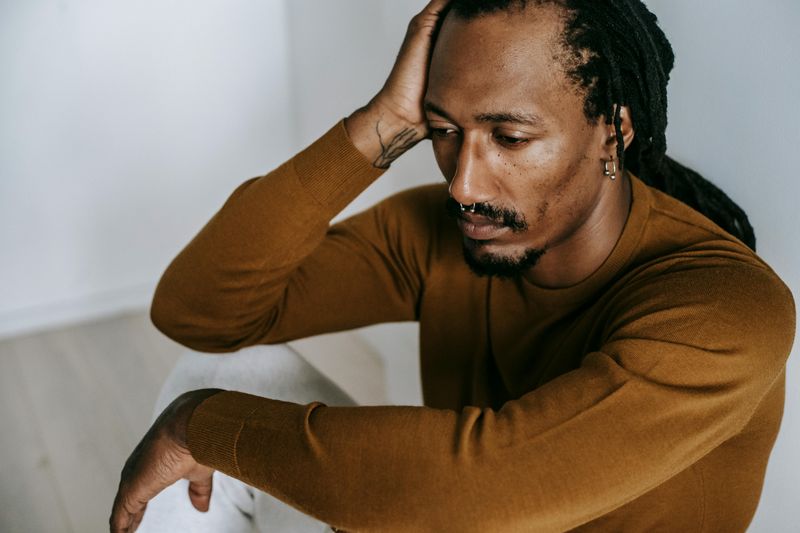
Lost enthusiasm reveals deep emotional scarring.
When someone stops caring about things that once mattered, pain has numbed their ability to feel hopeful or excited.
This quiet surrender differs from temporary disinterest.
It signals that repeated disappointment has eroded passion and investment.
The person has experienced so much hurt connected to this topic that they’ve emotionally disconnected to avoid further damage.
Behind these words lives someone who probably cared intensely before.
The shift from caring deeply to not caring at all marks significant emotional injury.
Hope has been replaced with protective numbness, and what once sparked joy now triggers nothing but emptiness or pain.
10. Silence or Refusal to Respond

Sometimes words completely fail when pain grows too massive to contain.
Complete withdrawal happens when someone can’t find language for the storm raging inside them.
Silent treatment isn’t always manipulation.
Sometimes it’s a desperate coping mechanism when emotions become overwhelming and unmanageable.
Speaking feels impossible because the hurt is too tangled, too big, or too scary to put into words that make sense.
This shutdown response protects a person from saying things they might regret or from completely breaking down.
The silence creates space to process feelings privately, though it often damages relationships.
Still, for someone drowning in hurt, quiet becomes the only life raft available.
Comments
Loading…