
 Hailey Watson
10 Things Emotionally Mature Wives Refuse to Feel Guilty About

Emotional maturity shows up in a marriage in the smallest everyday decisions — not the big dramatic moments we often picture.
A wife who’s grown into her emotional strength understands that guilt isn’t a personality trait she owes anyone.
It’s a reaction, and often one that’s been conditioned into women for generations.
Psychologists note that women disproportionately carry “relationship guilt,” a term used to describe feeling responsible for everyone’s emotions.
But emotionally mature wives have learned to put that burden down.
Instead of bending themselves into pretzels to keep the peace, they prioritize honesty, boundaries, and well-being.
They know that a healthy marriage isn’t built on guilt — it’s built on respect.
And because of that, there are certain things they simply refuse to apologize for anymore.
Here they are.
1. Taking Time for Themselves

Personal time becomes non-negotiable once a woman realizes what constant availability costs her.
Emotional batteries need recharging just like everyone else’s.
Research from the University of Michigan shows that solitude boosts empathy, focus, and emotional regulation — all of which strengthen relationships.
Self-care stops feeling like indulgence and starts feeling like maintenance.
A quiet morning coffee, a walk alone, or a day with friends all count.
Even five minutes in the car before going inside can reset the mind.
Nothing about this is selfish.
Life simply runs smoother when a woman has space to breathe.
Resentment fades when rest is part of the routine.
A marriage benefits far more from a replenished partner than an exhausted one.
2. Setting Boundaries With Their Husband, Family, and Friends

Boundaries become emotional oxygen once someone stops trying to satisfy everyone.
A firm “no” suddenly feels like an act of self-respect instead of conflict.
Therapists frequently explain that guilt often appears when people set boundaries for the first time.
That guilt is simply a sign that the boundary is new, not wrong.
With practice, confidence grows.
Expectations get clarified.
Energy-draining conversations come to an end.
Time-wasting obligations get declined.
People who genuinely care learn to adapt.
Protecting emotional space is never something an emotionally mature wife apologizes for.
3. Wanting a Life Outside Their Marriage

Identity expands far beyond the role of spouse.
A healthy marriage makes room for friendships, interests, and personal dreams.
Studies repeatedly show that individuals with strong social networks experience higher life satisfaction and more resilient relationships.
Maintaining outside connections becomes a source of joy rather than tension.
Coffee dates with friends add warmth.
Hobbies create purpose and confidence.
Passions unrelated to marriage keep a person grounded.
There’s no shrinking her world to soothe insecurities.
A full life outside the relationship enriches the life inside it.
No guilt belongs in that equation.
4. Asking for Help Instead of Doing Everything Alone

Resentment builds quickly when one partner carries the entire household load.
Emotionally mature wives recognize this pattern early.
Research from the American Sociological Review confirms that women still do more household labor — even in dual-income households.
That imbalance becomes a relationship hazard if ignored.
Asking for support isn’t a complaint; it’s collaboration.
Sharing responsibilities keeps the partnership healthy.
Overwhelm diminishes once tasks are divided fairly.
Communication becomes easier.
Stress loses its grip on the relationship.
Equality stops being a request and becomes the standard.
5. Expecting Real Partnership, Not One-Sided Effort

A strong marriage thrives on shared effort.
Imbalance quietly erodes connection over time.
Many women were raised to believe they must work harder to keep a relationship afloat, but emotionally mature wives unlearn that message.
Modern research shows that couples with equitable workloads report higher satisfaction and lower conflict.
Fairness becomes non-negotiable.
Emotional presence matters as much as physical help.
Consistency speaks louder than promises.
Solutions take priority over blame.
Martyrdom has no place in a healthy partnership.
Wanting a true teammate is never something to feel guilty about.
6. Expressing Her Feelings Honestly

Bottled emotions eventually leak out in unkind ways.
Experience teaches emotionally mature wives this truth early.
Honesty — communicated respectfully — becomes a relationship strength rather than a threat.
Therapists warn that emotional suppression increases long-term conflict between partners.
Clear language makes a difference.
Calm moments replace heated ones for sensitive conversations.
Specific needs are expressed without apology.
“Being emotional” is no longer viewed as being irrational.
Authentic communication becomes the norm.
Silence stops being the default strategy for keeping peace.
7. Pursuing Personal Growth

Progress becomes a lifelong goal once a woman understands its impact on her well-being.
Change doesn’t intimidate her as much as staying stagnant does.
Personal development is linked to emotional resilience and stronger relationships, according to numerous psychology studies.
Books, courses, and new habits become acts of self-respect.
Therapy becomes a tool rather than a taboo.
Healthy mindsets replace outdated ones.
Self-awareness grows with each intentional step.
Confidence rises alongside clarity.
A relationship thrives when both partners evolve.
There’s no guilt in choosing growth over comfort.
8. Making Decisions That Prioritize Her Well-Being

A peaceful woman makes better choices.
Stress signals no longer get ignored or dismissed.
Research shows that chronic stress undermines communication, empathy, and emotional availability in marriages.
So protecting inner calm becomes essential.
Drama gets filtered out.
Obligations that stretch her thin are reconsidered.
Intuition starts leading the way.
Healthy boundaries shape her decisions.
Emotional balance becomes the priority.
There’s nothing selfish about choosing the option that keeps her grounded.
9. Not Taking Responsibility for Her Husband’s Emotions
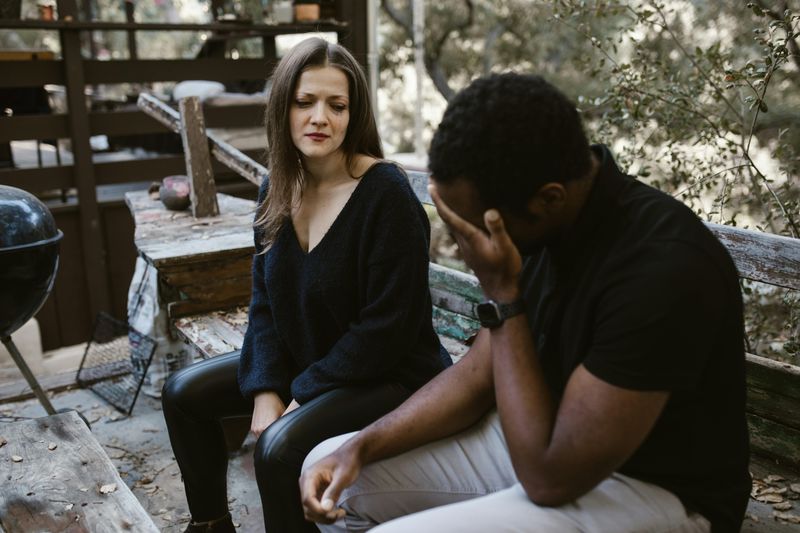
Everyone is responsible for regulating their own emotional life.
Emotionally mature wives understand this deeply.
In psychology, this skill is called emotional differentiation, and couples with strong differentiation experience fewer conflicts.
Support is offered without absorbing someone else’s feelings.
Validation happens without taking blame.
Comfort doesn’t require self-sacrifice.
Space is granted when needed.
Over-apologizing becomes unnecessary.
Emotional independence strengthens the partnership.
Carrying another adult’s feelings is no longer part of the job description.
10. Maintaining High Standards for How She Wants to Be Treated

Respect becomes the baseline once a woman commits to honoring her own worth.
She no longer settles for crumbs disguised as effort.
Relationship research shows that people with high self-respect enjoy healthier, more stable partnerships.
Standards rise accordingly.
Kindness becomes expected, not optional.
Accountability matters.
Consistency holds more weight than excuses.
Bad behavior isn’t dismissed as stress or personality.
Emotional needs get voiced clearly and confidently.
High standards remain firmly in place — without apology.
Comments
Loading…