
 Chloe Peterson
10 Things a Committed Man Should Never Say to Another Woman

When you’re in a committed relationship, trust and respect form the foundation of everything.
Words carry weight, and certain phrases—even if said casually—can cross invisible boundaries and damage the bond you’ve built with your partner.
Speaking carelessly to another woman might seem harmless in the moment, but it can spark jealousy, misunderstanding, or worse, emotional infidelity.
1. “Can I have your number?”
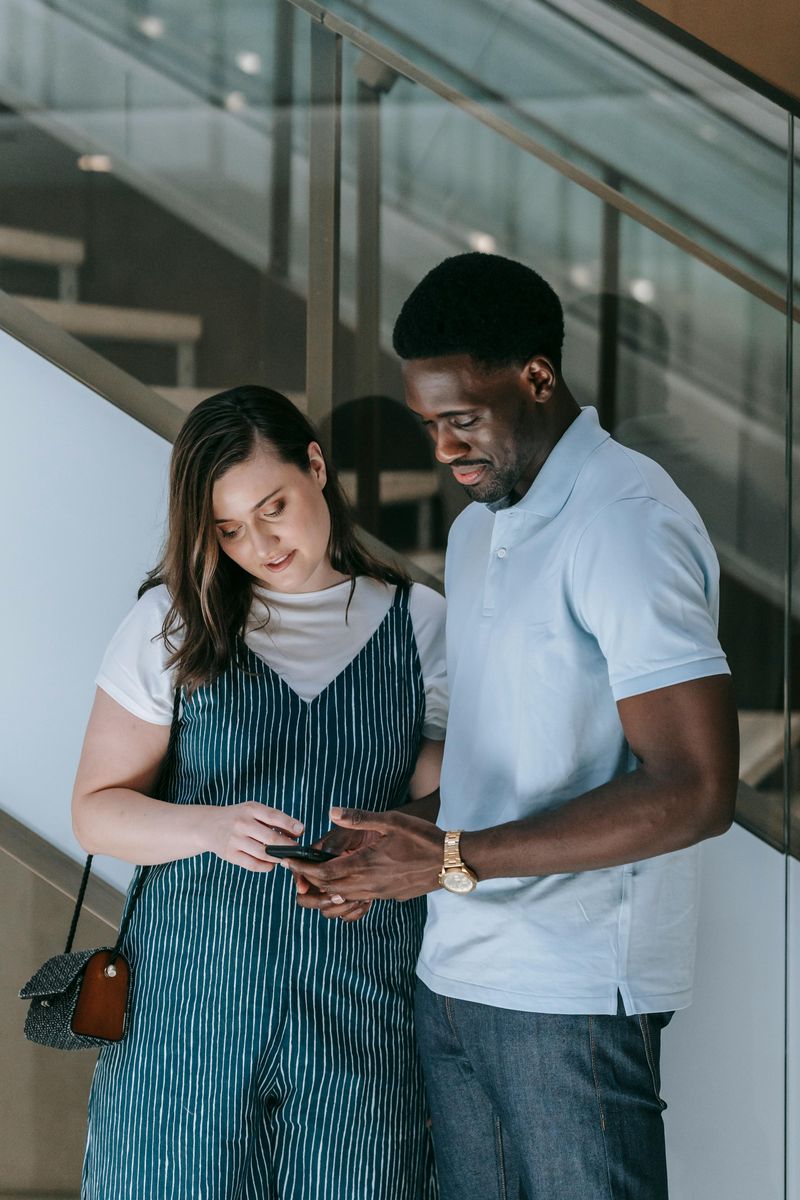
Asking for another woman’s phone number sends a clear signal that goes beyond casual friendship.
It suggests you’re interested in continuing private conversations outside of appropriate contexts.
Your partner deserves to feel secure knowing you’re not seeking personal connections with other women.
Even if your intentions seem innocent, this request often feels like the first step toward something more.
It creates doubt and can make your significant other question your loyalty.
Boundaries exist to protect relationships, not restrict them.
If you need to contact someone for work or group activities, keep communication transparent and professional.
Avoid creating situations where secrecy or private messaging becomes necessary.
2. “Do you have a boyfriend?”

Curiosity about another woman’s relationship status rarely comes from a place of pure friendship.
This question typically signals romantic interest or at least opens the door to flirtation.
When you’re already committed, her availability shouldn’t matter to you at all.
Asking this creates an awkward dynamic and puts the other person in an uncomfortable position.
She might wonder why you’re asking and what you’re hoping to hear.
Your partner would likely feel hurt knowing you’re inquiring about other women’s romantic lives.
Keep conversations focused on neutral topics like hobbies, work, or shared interests.
Steer clear of personal questions that could be misinterpreted as romantic curiosity or availability-seeking.
3. “You’re so much funnier than my partner.”

Comparing another woman favorably to your partner is one of the most hurtful things you can do.
It plants seeds of doubt about your commitment and makes the other woman feel caught in an inappropriate situation.
Your partner deserves loyalty, not criticism disguised as compliments to someone else.
These comparisons create emotional distance in your relationship and build false intimacy with someone outside it.
They suggest dissatisfaction and open doors that should remain firmly closed.
Nobody wins when you pit people against each other.
Celebrate your partner’s unique qualities instead.
If you’re experiencing frustration, address it directly with them through honest communication, not by seeking validation elsewhere.
4. “I don’t know what I would have done without you.”

Expressing deep emotional dependence on another woman crosses a serious line.
This statement suggests she’s become essential to your emotional wellbeing, which is territory reserved for your committed partner.
Relying on someone else for emotional support can quickly evolve into emotional infidelity.
Your partner should be your primary source of emotional connection and support.
When you shift that dependency elsewhere, you’re essentially building a parallel emotional relationship.
This creates confusion about roles and boundaries.
Appreciate help when it’s offered, but maintain appropriate emotional distance.
Save your deepest gratitude and vulnerability for the person you’ve chosen to build a life with, not casual acquaintances.
5. “Do you think my partner is attractive?”
Inviting another woman to judge your partner’s appearance is disrespectful on multiple levels.
It puts her in an awkward position where any answer could be wrong, and it treats your partner like an object to be evaluated.
This question reveals insecurity or worse, an attempt to create intimacy through shared assessment.
Your partner’s attractiveness isn’t up for discussion with other women.
This behavior shows a lack of respect for the person you’re supposed to cherish and protect.
It also suggests you’re seeking validation or connection in inappropriate ways.
Keep your relationship private and sacred.
Don’t invite outsiders to comment on intimate aspects of your partnership, especially physical appearance or attractiveness.
6. “I wish I had met you before I met my partner.”

Expressing regret about timing romanticizes a connection that should never exist.
This statement directly tells another woman you wish you were available to pursue her, which is a form of emotional betrayal.
It creates fantasy scenarios where you’re together instead of committed to your actual partner.
Your partner would be devastated to hear you wish your history together never happened.
This phrase damages trust and suggests you’re not fully invested in your current relationship.
It’s a clear sign of wandering attention.
Focus on the present and the commitment you’ve made.
If you’re genuinely unhappy, address it honestly within your relationship rather than creating imaginary alternatives with other women.
7. “Do you think we could have been more than friends?”

Hypothetical questions about romantic possibilities are dangerous territory when you’re committed.
This query directly asks another woman to imagine a romantic relationship with you, which is inappropriate regardless of how you frame it.
You’re essentially testing waters that shouldn’t even be approached.
These what-if scenarios serve no purpose except to create emotional tension and fantasy.
They make the other person uncomfortable and disrespect your partner by entertaining alternate realities.
Emotional fidelity means not exploring romantic possibilities outside your relationship.
Accept friendships for what they are without adding romantic speculation.
If you find yourself wondering about other possibilities, that’s a signal to examine your current relationship, not explore alternatives.
8. “I feel trapped in my relationship.”

Sharing relationship dissatisfaction with another woman creates inappropriate emotional intimacy.
When you vent about feeling trapped, you’re inviting her into your relationship problems and positioning her as a confidante or potential escape.
This shifts emotional energy away from where it belongs.
Your partner deserves the chance to address problems directly, not hear about them secondhand after you’ve discussed them with someone else.
Complaining to another woman often seeks sympathy and creates a bond based on your relationship’s weakness.
Work through difficulties with your partner, a therapist, or trusted same-gender friends.
Don’t use relationship problems as a way to build connections with other women who might offer comfort.
9. “You look beautiful.”

Complimenting another woman’s appearance might seem harmless, but it often crosses boundaries in committed relationships.
Physical compliments carry romantic undertones, especially when delivered one-on-one.
They signal attraction and can make both the recipient and your partner uncomfortable if they find out.
While kindness matters, there’s a difference between saying someone looks nice and telling them they’re beautiful.
The latter is intimate and personal, reserved for romantic relationships.
Your partner might reasonably feel threatened or disrespected.
Stick to compliments about achievements, skills, or personality traits if you must offer praise.
Keep observations about physical appearance to yourself, as they rarely serve appropriate purposes in cross-gender friendships.
10. “My partner doesn’t understand me.”

Telling another woman your partner doesn’t understand you creates a dangerous emotional opening.
It positions her as someone who might understand you better, which builds inappropriate intimacy and connection.
You’re essentially inviting her to fill an emotional gap that should be addressed within your relationship.
This complaint suggests availability and dissatisfaction, both of which can lead to emotional or physical infidelity.
It’s disrespectful to your partner and unfair to the other woman, who might feel obligated to provide support or comfort.
Address communication problems directly with your partner through honest conversation or couples counseling.
Don’t seek understanding from other women when you should be building better communication at home.
Comments
Loading…