
 Harper Hall
10 Reasons Remarrying After 50 Might Not Be Worth It

Turning 50 often brings a sense of hard-won freedom and independence.
Many people at this stage have built financial security, established routines, and learned to enjoy life on their own terms.
While remarrying can sound romantic, it may come with unexpected challenges that outweigh the benefits.
1. Financial Setbacks

Money matters get complicated fast when you tie the knot later in life.
Taxes can jump when your incomes combine, pushing you into higher brackets you never planned for.
Shared assets mean what was once yours alone now belongs to both of you legally.
Bank accounts, property, and investments all become joint responsibilities.
If your new spouse has debt or poor credit, it can affect your financial standing too.
Divorce at this age is especially costly, often wiping out retirement savings.
You have worked decades to build stability.
A new marriage can threaten that foundation in ways you might not anticipate until it is too late.
2. Family Tension
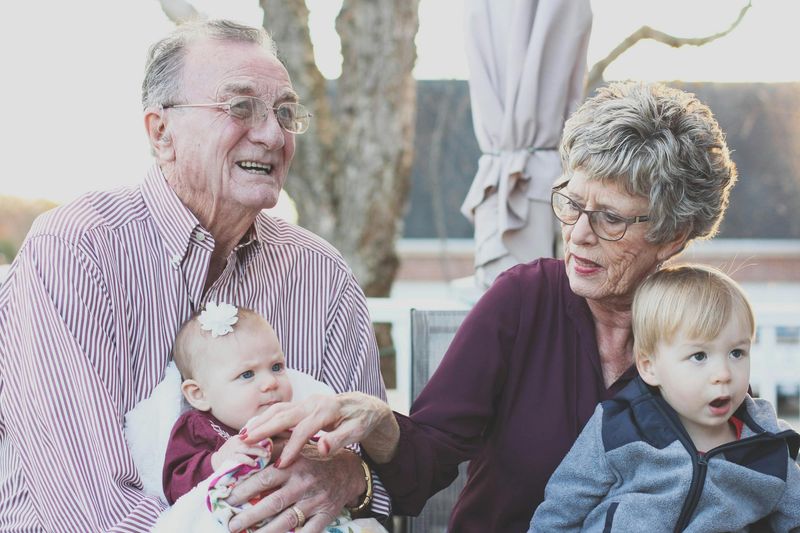
Adult children rarely welcome a new stepparent with open arms.
They may feel protective of their deceased or divorced parent’s memory, or worry about their inheritance.
Blended families force everyone to renegotiate roles that felt settled for years.
Holiday gatherings become awkward minefields of competing loyalties and hurt feelings.
Your kids might resent sharing your time and attention with someone new.
Stepchildren can feel just as uncomfortable about the arrangement.
These tensions do not fade quickly, if ever.
Family gatherings that once brought joy can turn into sources of stress and conflict that drain your energy and happiness.
3. Estate Risks

Marriage automatically changes how your estate gets divided, whether you realize it or not.
In many states, a spouse has legal rights to your property that override what your will says.
Children from a previous marriage may lose inheritance you always intended for them.
Even with a prenuptial agreement, estate planning becomes far more complex.
Your new spouse might contest your will or claim rights to assets you thought were protected.
Updating documents costs money and requires difficult conversations.
Years of careful planning can unravel with one marriage certificate.
What seemed like a romantic gesture may accidentally disinherit the people you love most.
4. Health Care Conflicts

Who makes medical decisions if you cannot speak for yourself?
Remarrying gives that power to your new spouse, not your adult children who know your wishes best.
This can create serious conflicts during emergencies or end-of-life situations.
Caregiving responsibilities also shift dramatically.
Your new partner may expect you to care for them through illness, even if you wanted to travel or pursue hobbies.
Long-term care insurance and Medicare benefits can change based on marital status.
Hospital visits, treatment choices, and living arrangements all become joint decisions now.
The independence you valued in health matters may disappear just when you need it most.
5. Emotional Loss

Starting fresh in your 50s or beyond means the odds are high that you will face grief again soon.
Serious illness, disability, or death become more likely with each passing year.
Watching another spouse decline takes an enormous emotional toll.
You may find yourself becoming a caregiver instead of a partner.
The vibrant relationship you hoped for can quickly turn into doctor appointments and medication schedules. Losing someone you remarried can feel even harder than the first time.
Some people prefer to spare themselves this predictable heartache.
Choosing companionship without marriage protects your heart while still allowing connection and love on your terms.
6. Reduced Freedom

Living alone means eating dinner whenever you want and decorating however you please.
Marriage requires compromise on everything from thermostat settings to vacation destinations.
Your carefully crafted routines get disrupted by someone else’s habits and preferences.
Personal space shrinks when you share a home again.
That hobby room might become a joint office.
Your morning quiet time could vanish with a chatty partner around.
Responsibilities multiply too, from household chores to social obligations with their friends and family.
The independence you fought hard to achieve and enjoy may feel like a distant memory once you are legally bound to someone new.
7. Old Wounds

Baggage does not disappear just because you found someone new.
Past hurts, trust issues, and relationship patterns often resurface in unexpected ways.
Your new spouse brings their own unresolved problems into the marriage too.
Arguments can trigger painful memories from previous relationships.
You might find yourself reacting to situations based on old fears rather than present reality.
Healing takes years, and marriage can actually slow that process down.
Some wounds need solitude and self-reflection to truly mend.
Jumping into a legal commitment before you have fully processed your past can doom the new relationship before it really begins.
8. Pressure to Pair Up

Society sends constant messages that being single means being incomplete.
Friends ask when you will start dating again. Family members worry you are lonely.
Dating apps promise happiness is just one swipe away.
Fear of growing old alone drives many people toward marriage for the wrong reasons.
You might convince yourself you need a partner when you actually just need better friendships or hobbies. Loneliness is real, but marriage is not always the cure.
Cultural expectations should not dictate major life decisions.
Marrying because you feel you are supposed to, rather than because you genuinely want to, sets everyone up for disappointment and regret.
9. Retirement Disruption

You have probably spent years planning exactly how your retirement would look.
A new spouse can derail those dreams overnight with different spending habits or goals.
Maybe you wanted to travel while they prefer staying close to grandchildren.
Joint finances mean your retirement savings now support two people instead of one.
Relocating for their job or family can uproot you from your community.
Mismatched visions for this life stage cause constant friction and disappointment.
Retirement should be a time to finally please yourself.
Compromising on dreams you have held for decades rarely leads to the fulfillment you deserve after a lifetime of work.
10. Self-Reliance

You have already proven you can handle life on your own.
Bills get paid, problems get solved, and happiness gets found without needing someone else to complete you.
That strength and confidence are valuable gifts you have given yourself.
Marriage might actually diminish the self-reliance you have worked so hard to build.
Depending on another person again means risking the independence that makes you feel capable and strong.
Legal partnership does not guarantee emotional fulfillment.
Many people discover that staying single brings more joy than they ever expected.
You control your own destiny without needing permission or compromise, and that freedom might be worth more than any relationship.
Comments
Loading…