
 Chloe Peterson
10 Reasons People Stop Trying After Commitment

Relationships often start with excitement and effort, but something changes after commitment. Many couples find themselves wondering why the spark fades or why their partner seems less motivated.
Understanding these patterns can help you recognize warning signs early and work toward building a stronger, healthier partnership.
1. Comfort Becomes Complacency

Feeling safe in a relationship is wonderful, but it can lead to laziness.
When someone knows you will always be there, they might stop putting in effort.
Date nights disappear.
Sweet gestures become rare memories.
The excitement that once defined your connection slowly fades into routine.
Partners forget that relationships need constant care, like plants need water.
Without attention, even the strongest bonds can weaken.
Complacency sneaks in quietly.
Before you know it, both people are just going through the motions instead of actively choosing each other every day.
Breaking this pattern requires awareness and intentional action from both sides.
2. The Chase Ends

Some people love the thrill of pursuing someone new. Once they win you over, the game feels finished.
These individuals thrive on uncertainty and challenge.
Commitment removes the mystery they crave, making the relationship feel less exciting to them.
They enjoyed impressing you with grand gestures and constant attention.
Now that you are officially together, they believe the hard work is done.
This mindset treats relationships like trophies rather than partnerships.
The person stops trying because they already achieved their goal of winning your heart.
Real love requires ongoing effort, not just the initial pursuit.
3. Fear of Vulnerability Surfaces

Opening up emotionally feels terrifying for many people.
After commitment, relationships demand deeper intimacy and honesty.
Rather than facing these scary feelings, some individuals pull back.
They create distance to protect themselves from getting hurt or appearing weak.
This withdrawal looks like giving up, but it is actually a defense mechanism.
The person stops trying because emotional closeness feels too risky for their fragile sense of safety.
Past traumas or childhood experiences often fuel this fear.
Without addressing these issues, the pattern continues in every relationship they enter.
Healing requires courage and sometimes professional help.
4. Unmet Expectations Cause Resentment

Everyone enters relationships with certain hopes and dreams.
When reality does not match these expectations, disappointment grows.
Instead of communicating their frustrations, some people shut down completely.
They stop trying because they feel let down by how things turned out.
Maybe they expected more romance, better communication, or different life goals.
These unspoken disappointments build walls between partners over time.
Resentment is a silent relationship killer.
It poisons affection and makes people feel justified in withdrawing their effort and care.
Honest conversations about expectations can prevent this destructive cycle from starting.
5. External Stress Takes Priority

Life throws countless challenges our way.
Work pressures, financial worries, and family problems can consume all available energy.
When stress levels rise, relationships often get neglected first.
People assume their partner will understand and stick around no matter what happens.
They stop planning dates, forget important conversations, and become emotionally unavailable.
The relationship slides to the bottom of their priority list without conscious decision.
While temporary stress is normal, chronic neglect damages even the strongest connections.
Partners need reassurance that they still matter despite life’s difficulties.
Balance and communication become essential during challenging times.
6. They Take You for Granted

Gratitude fades when people get used to having you around.
Your presence becomes expected rather than appreciated.
Small acts of kindness go unnoticed. Sacrifices you make seem invisible to them now.
This happens gradually, making it hard to pinpoint when things changed.
One day you realize your partner barely acknowledges everything you do for the relationship.
Taking someone for granted reflects a lack of mindfulness.
People forget to express appreciation and stop recognizing the value their partner brings to their life.
Reminding each other of your worth and contributions helps combat this dangerous pattern before damage occurs.
7. Loss of Individual Identity
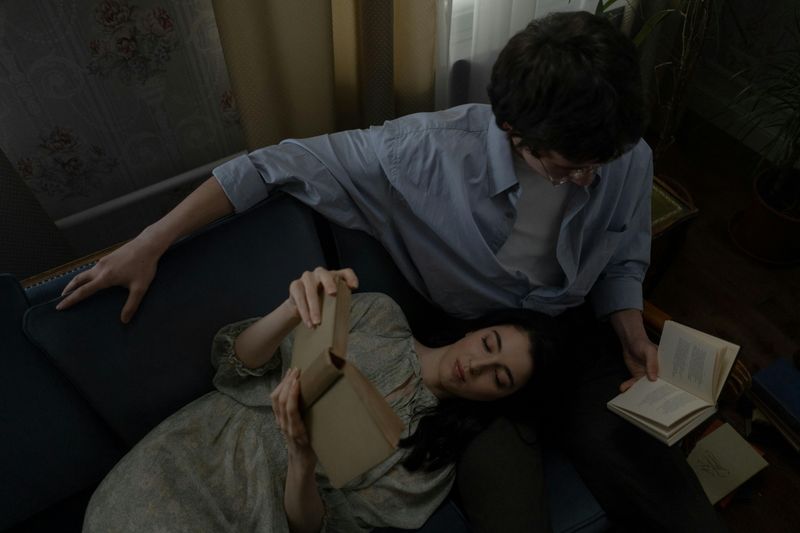
Healthy relationships require two complete individuals, not two halves making a whole.
Some people lose themselves after commitment.
They abandon hobbies, friendships, and personal goals to focus entirely on the relationship.
This creates an unhealthy dependence that eventually breeds frustration.
When someone loses their identity, they often blame their partner.
They stop trying because they feel trapped or suffocated by the relationship itself.
Ironically, maintaining separate interests and friendships actually strengthens romantic connections.
Personal growth makes you a more interesting and fulfilled partner.
Balance between togetherness and independence creates lasting happiness.
8. Poor Role Models Growing Up

Our parents teach us about love, whether we realize it or not.
Children who witnessed unhealthy relationship patterns often repeat them.
If someone grew up seeing parents who stopped trying after marriage, they might believe this is normal behavior.
Their childhood experiences shaped their understanding of commitment.
These learned patterns run deep in our subconscious minds.
Without intentional reflection and change, people automatically follow the relationship blueprint they observed growing up.
Recognizing these influences is the first step toward breaking negative cycles.
Professional counseling can help individuals develop healthier relationship skills.
You can choose different patterns than your parents modeled.
9. Lack of Relationship Skills

Nobody is born knowing how to maintain a healthy relationship.
These skills must be learned and practiced over time.
Some people simply do not know what committed relationships require.
They lack tools for effective communication, conflict resolution, and emotional support.
Their withdrawal is not intentional meanness but rather cluelessness about what comes next.
They tried during the dating phase using instinct, but now feel lost.
Without guidance, they repeat the same mistakes in every relationship.
Learning proper relationship skills through books, therapy, or workshops can transform their ability to connect.
Growth is always possible with willingness and effort.
10. Mental Health Issues Interfere

Depression, anxiety, and other mental health conditions profoundly affect relationships.
These struggles drain energy and motivation for everything, including romantic partnerships.
Someone battling depression might withdraw completely, unable to muster enthusiasm for dates or conversations.
Their condition makes effort feel impossible, not unwanted.
Partners often misinterpret these symptoms as not caring anymore.
Understanding that mental illness is the real culprit helps reduce blame and hurt feelings.
Treatment and support make enormous differences in these situations.
Encouraging professional help while offering patience can save relationships affected by mental health challenges.
Compassion and understanding matter more than judgment during difficult times.
Comments
Loading…