
 Isabel Parker
10 Marriage Mistakes Men Admit Are Hardest to Forgive

Marriage is built on trust, respect, and understanding.
When these foundations crack, some mistakes leave scars that are incredibly hard to heal.
Many men have shared that certain betrayals or patterns in their relationships cut deeper than others, making forgiveness feel nearly impossible even when love remains.
1. Financial Deception

Money matters can make or break a marriage, especially when dishonesty enters the picture.
Hidden credit cards, secret loans, or undisclosed spending habits create a dangerous pattern of lies that extends far beyond the dollar amount.
When a husband discovers financial deception, it’s not just about the money lost.
The real damage comes from realizing his partner kept secrets, made major decisions alone, and broke the mutual trust that partnerships require.
Recovering from financial betrayal takes years of rebuilding transparency.
Many men report feeling foolish for not noticing sooner, which compounds the hurt and makes moving forward incredibly difficult even with professional help and sincere apologies.
2. Public Humiliation

Nothing stings quite like being mocked by the person who promised to stand beside you.
Criticism delivered in front of friends, family, or even strangers strips away dignity in moments that can’t be taken back.
Men often describe public humiliation as feeling betrayed twice: once by the insult itself, and again by the audience witnessing their embarrassment.
Whether it’s jokes about their appearance, intelligence, or abilities, these moments create lasting resentment.
The worst part?
Apologies offered in private rarely erase the public shame.
Trust erodes because he knows she’s willing to sacrifice his respect for a laugh or to win an argument, making him question her loyalty forever.
3. Infidelity

Cheating remains the ultimate betrayal for most married men.
Whether emotional connections with another person or physical affairs, infidelity destroys the exclusive bond that marriage represents at its core.
The discovery process itself traumatizes many men—finding messages, noticing changed behavior, or hearing confessions shatters their sense of reality.
Everything they believed about their relationship suddenly feels like a lie, and memories become tainted with doubt.
Some couples attempt reconciliation, but the statistics aren’t encouraging.
Even with counseling, many men report never fully trusting again, constantly wondering if it could happen once more despite promises and tears.
4. Chronic Neglect of Intimacy

Physical and emotional closeness keeps marriages alive, but when one partner consistently withdraws, the other feels abandoned.
Occasional busy seasons are normal; years of rejection, however, communicate something far more painful.
Men facing chronic intimacy neglect often describe feeling unwanted, unattractive, and emotionally isolated in their own homes.
The bedroom becomes a source of anxiety rather than connection, and the rejection extends beyond sex to basic affection.
What makes this particularly hard to forgive is the ongoing nature of the hurt.
Each refusal adds another layer of pain, building resentment that eventually hardens into emotional distance neither partner knows how to bridge anymore.
5. Undermining Parenting Authority

Co-parenting requires teamwork, but some wives consistently contradict or dismiss their husband’s decisions in front of the children.
This pattern doesn’t just create discipline problems—it erodes his role and value within the family structure.
When kids witness one parent constantly overruling the other, they learn to manipulate the divide.
More importantly, the undermined parent feels disrespected, powerless, and like an outsider in his own home.
The long-term resentment from this behavior runs deep.
Men report feeling like their opinions don’t matter and that their partner doesn’t view them as an equal, capable parent worthy of respect and support.
6. Dismissing His Dreams and Ambitions

Everyone deserves a partner who believes in their potential.
When a wife repeatedly belittles her husband’s goals, career aspirations, or creative pursuits, she communicates that his dreams don’t matter or aren’t worth supporting.
Maybe he wants to start a business, change careers, or pursue a passion project.
Constant discouragement or mockery doesn’t just kill motivation—it makes him feel fundamentally misunderstood by the person who should champion him most.
This mistake creates lasting damage because it attacks his sense of identity and future.
Men describe feeling trapped, unseen, and alone in their marriages when their biggest cheerleader becomes their harshest critic instead.
7. Refusing Accountability After Major Mistakes
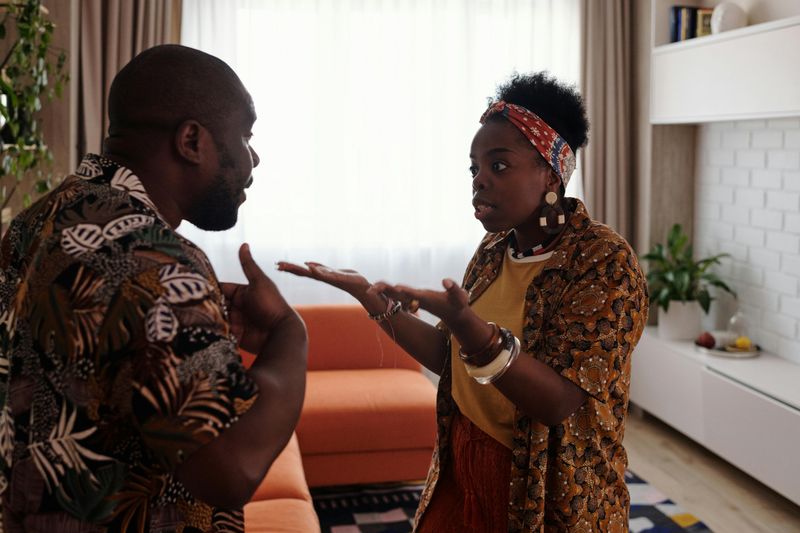
Everybody makes mistakes, but refusing to own them prevents healing completely.
When significant harm occurs and one partner deflects blame, makes excuses, or never genuinely apologizes, the wounded spouse stays stuck in unresolved pain.
Men consistently report that lack of accountability feels worse than the original mistake itself.
It signals that their hurt doesn’t matter enough to warrant acknowledgment, and that their partner values being right over making things right.
Without genuine remorse and responsibility, couples can’t move forward.
The unaddressed wound festers, creating bitterness that poisons every interaction until the relationship becomes defined by what was never properly resolved or healed.
8. Comparing Him to Others

Constant comparisons to other men—whether ex-boyfriends, friends’ husbands, fathers, or even fictional characters—slowly poison a man’s self-worth.
Nobody wants to feel like they’re perpetually failing an unspoken competition they never agreed to enter.
These comparisons communicate that he’s not enough exactly as he is.
Whether about income, appearance, parenting style, or personality traits, being measured against others creates resentment that builds with each careless comment.
The damage compounds over time because these statements can’t be unsaid.
Even when the comparisons stop, the insecurity remains, making him question whether his wife actually chose him or simply settled while wishing for someone different.
9. Sabotaging His Mental Health

Gaslighting makes a person doubt their own reality and sanity.
When combined with constant criticism, manipulation, and emotional games, the psychological damage can last for decades even after the relationship ends.
Men experiencing this form of abuse often don’t recognize it initially because society tells them to be tough.
By the time they understand what’s happening, their confidence, judgment, and mental wellness have suffered serious harm.
Recovery requires professional help and often years of therapy.
The betrayal cuts especially deep because the person who vowed to love and protect him instead became the source of his psychological suffering and self-doubt.
10. Secretly Making Big Life Decisions Without Him

When major choices happen without a heads-up, it can feel like the floor was pulled out from under him.
You might think you were protecting peace or avoiding conflict, but the secrecy often hurts more than the decision itself.
Trust begins to fray when he learns about a move, job change, financial commitment, or family obligation after the fact.
It sends the message that his input was optional, not valued.
He needs to know his voice matters, not just his signature at the end.
Loop him in early, even if the conversation feels uncomfortable.
You do not have to agree immediately, but you owe each other transparency, shared timelines, and honest discussion of tradeoffs before decisions become final.
Comments
Loading…