
 Mary Murphy
10 Make-or-Break Moments That Can End a Marriage
Marriage usually doesn’t fall apart in one dramatic moment.
It often unravels during a handful of high-stress seasons that stretch patience, drain empathy, and expose weak spots you didn’t know were there.
When couples feel overwhelmed, misunderstood, or repeatedly disappointed, even small issues can start to feel like proof that the relationship is doomed.
These tough phases are especially dangerous because they can turn partners into opponents instead of teammates, and resentment grows quietly in the background.
The good news is that recognizing a “breaking point” can be the exact wake-up call that pushes two people to rebuild better habits.
Below are ten of the hardest times in a marriage that often end in divorce, along with why they hit so hard and what makes them so risky.
1. After an affair (or emotional cheating) comes to light

Few things shake a marriage like discovering that trust has been broken behind your back.
Even if the cheating has ended, the injured partner often relives the shock through intrusive thoughts and constant second-guessing.
The unfaithful partner may want quick forgiveness, but healing usually requires uncomfortable honesty, consistent transparency, and time that can’t be rushed.
Arguments tend to spiral because you’re not fighting about one incident, you’re fighting about safety, truth, and whether love was ever real.
Friends and family opinions can add pressure, making the couple feel watched or judged during a fragile period.
If the betrayal is minimized, repeated, or met with defensiveness, resentment hardens into emotional distance that feels impossible to close.
When both people can’t commit to rebuilding trust day by day, divorce can start to look like the only way to stop the pain.
2. When money problems become chronic (debt, secrecy, job loss, mismatched spending)

Financial stress doesn’t just strain budgets, it strains the way couples see each other’s character and reliability.
A missed bill can feel like a mistake, but repeated debt, job instability, or overspending can start to feel like betrayal.
Many couples fight about money when they’re actually fighting about control, security, and whose needs matter most.
If one partner hides purchases, keeps secret accounts, or refuses to discuss finances, the relationship starts running on suspicion.
The pressure can also kill intimacy, because it’s hard to feel romantic when you’re scared about rent, groceries, or childcare.
Over time, partners may stop planning a future together because the future feels too uncertain to even picture.
When shame and blame replace teamwork, couples often split simply to regain a sense of peace and personal stability.
3. The early years after having a baby (or adding another child)
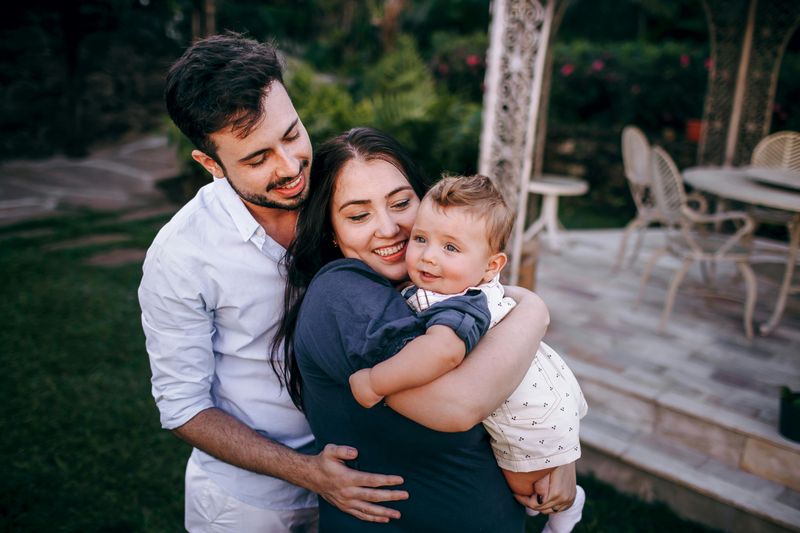
Nothing tests a relationship like trying to love each other while running on exhaustion and constant responsibility.
Sleep deprivation can make both partners reactive, sensitive, and quick to interpret small comments as criticism.
The mental load often becomes uneven, and the partner carrying more can start to feel invisible and unappreciated.
Intimacy changes too, because bodies are healing, hormones shift, and the idea of “date night” can feel laughably unrealistic.
Many couples accidentally slide into roommate mode, where logistics replace affection and emotional connection gets postponed indefinitely.
If postpartum anxiety or depression enters the picture, one partner may withdraw while the other feels helpless or resentful.
When support doesn’t improve and resentment becomes the daily soundtrack, couples may decide the marriage can’t survive the new reality.
4. When one partner struggles with addiction or compulsive behaviors

A relationship becomes unstable when one person’s choices repeatedly threaten trust, safety, or financial security.
Substance issues can bring broken promises, unpredictable moods, and cycles of apology that start to feel scripted.
Compulsions like gambling or porn use can create the same damage, especially when secrecy becomes the default setting.
The non-using partner often becomes the manager of the household, carrying stress while trying to prevent the next crisis.
Love can start to feel like enabling, and boundaries can feel impossible to hold without being labeled “unsupportive.”
Even if treatment begins, relapse fear can keep the marriage stuck in constant vigilance and emotional fatigue.
When accountability doesn’t match the impact, many spouses choose divorce as a last-resort form of self-protection.
5. A major health crisis or chronic illness diagnosis

A serious diagnosis can turn everyday life into medical appointments, financial worry, and grief for the life you expected to have.
Caregiving is an act of love, but it can also create burnout, loneliness, and quiet resentment when needs pile up.
Roles shift quickly, and the couple may stop feeling like partners and start feeling like patient and caretaker.
The healthy partner might feel guilty for being overwhelmed, while the sick partner may feel like a burden and withdraw emotionally.
Physical intimacy can change or disappear, which can trigger fear that the marriage is becoming purely transactional.
Outside support often drops off after the initial crisis, leaving the couple isolated at the worst possible time.
If communication collapses under the weight of stress, divorce can happen because both people feel trapped and unheard.
6. After a parent dies—or when grief changes someone long-term

Loss has a way of rearranging a person’s emotions, priorities, and energy, sometimes for far longer than anyone expects.
One partner may want to talk constantly, while the other copes by shutting down, staying busy, or avoiding heavy feelings.
Those differences can create painful misunderstandings, like assuming silence means indifference or assuming tears mean weakness.
Grief can also trigger depression, irritability, or numbness, which makes the relationship feel colder than it used to.
Family drama around funerals, inheritances, or caregiving can add conflict that spills into the marriage.
If the grieving partner feels rushed to “get over it,” they may stop feeling emotionally safe with their spouse.
When comfort turns into criticism, divorce becomes more likely because the marriage no longer feels like a refuge.
7. When trust is broken beyond cheating (lying, secret accounts, double life, repeated small betrayals)

Trust erodes fastest when someone repeatedly bends the truth and then acts surprised that their partner feels uneasy.
Small lies about money, messages, or whereabouts can feel just as devastating as bigger betrayals when they keep happening.
Over time, the honest partner starts doing detective work, and that turns the relationship into surveillance rather than connection.
The person lying often claims it’s to “avoid conflict,” but the secrecy creates far more conflict than the truth would.
Apologies lose meaning when accountability never shows up in consistent behavior, and the cycle becomes exhausting.
Even good moments can feel tainted because the betrayed partner can’t relax into happiness without wondering what’s missing.
When honesty stops being the foundation, divorce can feel like the only way to stop living in doubt.
8. A big relocation or new life change (move, immigration, new city, long-distance)

A fresh start can sound exciting, but it can also remove the support systems that keep a marriage steady.
The partner who sacrificed more may feel resentment, especially if their career, friendships, or identity took the biggest hit.
Stress rises as routines disappear, costs change, and everything from childcare to social life needs rebuilding from scratch.
If one spouse adapts faster, the other may feel left behind and start interpreting that gap as a lack of empathy.
Long-distance phases can add suspicion and loneliness, even when both people have good intentions.
Without intentional connection, couples can drift into parallel lives where each person is simply surviving their own stress.
When the move highlights unequal sacrifice or constant conflict, divorce often follows because “starting over” seems easier alone.
9. The teen or launching years with kids (parenting conflict, burnout, we forgot us)

Parenting gets emotionally intense when kids push boundaries, need guidance, and create daily conflict in the household.
Partners can end up blaming each other’s parenting style, especially if one is stricter and the other is more permissive.
Many couples also feel depleted by this stage, because they’ve spent years prioritizing kids while neglecting their own connection.
Old arguments return with new intensity, since stress makes people less patient and more likely to keep score.
Some spouses cope by retreating into work, hobbies, or screens, which leaves the other feeling abandoned.
When kids are struggling, couples may either unite as a team or fracture under guilt, fear, and constant pressure.
If the marriage has been running on fumes for years, this stage often becomes the point where divorce finally happens.
10. Empty nest or retirement (when the marriage has to stand on its own again)
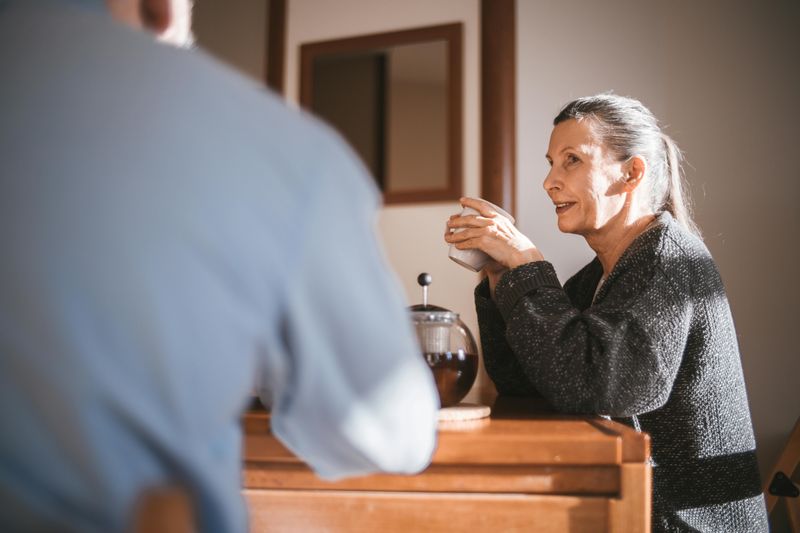
When the noise of daily parenting or work schedules fades, couples are forced to face what’s actually left between them.
Some people discover they’ve grown in different directions, and they no longer share routines, values, or even basic friendship.
Retirement can also magnify differences in spending habits, social needs, and how each person imagines “rest” should look.
If one partner wants closeness and the other wants independence, the mismatch can feel like rejection on both sides.
Old resentments that were buried under busyness can surface, because there are fewer distractions and more time to reflect.
This stage can be painful because it highlights years of emotional neglect that never got repaired along the way.
When reconnection feels too unfamiliar or too late, divorce becomes the reset button some couples choose.
Comments
Loading…