
 Hailey Watson
10 Clear Ways to Tell If Someone Is Genuine or Fake

Have you ever met someone who seemed too good to be true, only to find out later they were putting on an act?
Figuring out if a person is real or fake can save you from heartbreak, drama, and wasted time.
Authentic people bring positivity and trust into your life, while fake ones can leave you feeling confused and drained.
Learning to spot the difference is a valuable skill that helps you build stronger, healthier relationships.
1. Words Match Their Actions

Actions speak louder than words, and this saying rings especially true when judging someone’s character.
A genuine person doesn’t just talk about being reliable or trustworthy—they prove it through what they do.
When they promise to help you move on Saturday, they actually show up with a truck and a smile.
Fake people, on the other hand, are full of big promises that never come true.
They might say they care deeply about you, but disappear when you need support.
Pay attention to whether someone follows through consistently over weeks and months.
Real authenticity shows up in small, everyday moments, not just grand gestures.
2. Smiles That Reach the Eyes

Ever notice how some smiles feel warm and inviting while others seem plastic and forced?
The secret lies in the eyes.
Scientists call a real smile a Duchenne smile, named after a French doctor who studied facial expressions.
When someone genuinely smiles, tiny muscles around their eyes crinkle up, creating crow’s feet.
Their whole face lights up with happiness.
Fake smiles only involve the mouth—the eyes stay cold and distant, almost like someone’s wearing a mask.
Next time you’re talking to someone, watch their face closely.
Authentic joy cannot be faked because those eye muscles only activate during true emotion, making this one of nature’s best lie detectors.
3. Body Language Tells the Truth
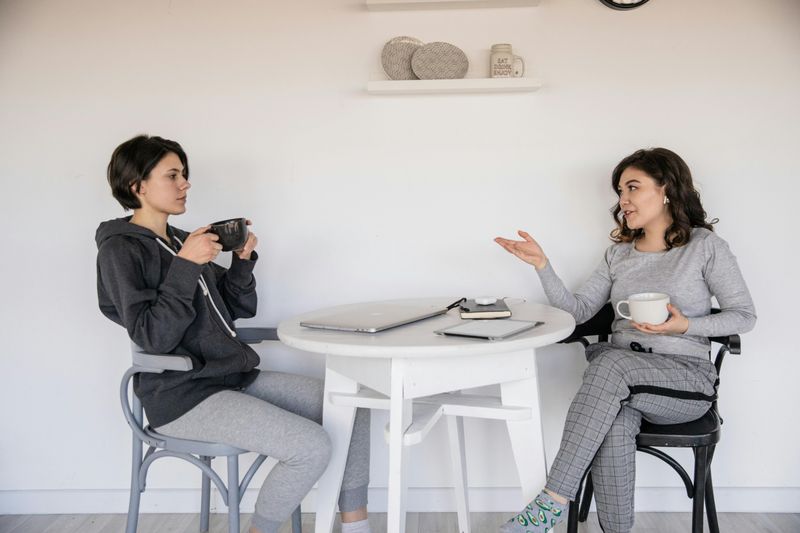
Our bodies often reveal what our mouths try to hide.
Authentic individuals display relaxed, open postures—uncrossed arms, leaning slightly forward during conversation, and steady eye contact.
They seem comfortable in their own skin, without fidgeting nervously or constantly checking their phone.
Fake people tend to close themselves off physically.
Crossed arms, turned-away shoulders, or avoiding eye contact all signal dishonesty or discomfort.
They might also overcompensate with exaggerated gestures that feel theatrical rather than natural.
Watch how someone positions themselves when talking to you.
Openness in body language usually reflects openness in character, while defensive postures often hide hidden agendas or insecurity.
4. They Actually Listen
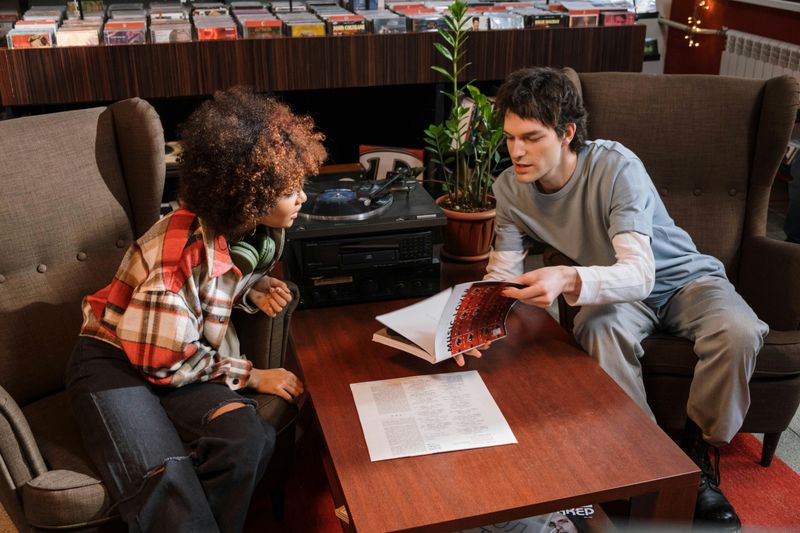
Real friends remember the little details you share, like your dog’s name or your favorite pizza topping.
Active listening is a superpower that genuine people possess naturally.
They ask thoughtful follow-up questions, nod encouragingly, and put their phone away when you’re talking.
Fake listeners are easy to spot.
Their eyes glaze over mid-conversation, or they interrupt constantly to talk about themselves.
When you mention something important, they forget it by the next day because they weren’t truly paying attention.
Notice who recalls stories you told weeks ago or asks how your big test went.
Those people genuinely care about you and value what you have to say.
5. Emotions Fit the Situation

Genuine people react to situations with appropriate emotions.
If you share sad news, they express sympathy.
If you celebrate a victory, they show real excitement for you.
Their emotional responses feel natural and proportionate to what’s happening.
Fake individuals often get their emotional reactions wrong.
They might laugh at something serious or show over-the-top enthusiasm that feels performative.
Sometimes they barely react at all to important moments in your life, revealing their lack of genuine care.
Emotional intelligence and empathy are hallmarks of authenticity.
When someone consistently responds with the right feelings at the right time, you can trust they’re being real with you.
6. Owning Up to Mistakes

Nobody’s perfect, and authentic people know this about themselves.
When they mess up, they admit it quickly and sincerely apologize.
They don’t make excuses or blame others for their errors.
Instead, they take responsibility and work to make things right.
Fake people struggle with accountability.
They deflect blame, make up stories, or pretend the mistake never happened.
Admitting fault feels threatening to them because they’re more concerned with appearing perfect than being honest.
Someone who can say “I was wrong, and I’m sorry” demonstrates maturity and authenticity.
These three words build trust faster than a thousand perfect performances ever could.
7. Kindness Without Strings Attached
Authentic kindness expects nothing in return.
Genuine people help others because it feels right, not because they want something back.
They hold doors for strangers, offer compliments freely, and support friends without keeping score.
Fake kindness always comes with an invisible price tag.
These people do favors but remind you about them constantly.
Their generosity feels transactional—they’re nice when it benefits them but cold when there’s nothing to gain.
Pay attention to how someone treats people who can’t do anything for them, like waiters or janitors.
True character shines through in moments when there’s no audience or reward waiting.
8. Same Person Everywhere

Chameleons change colors to blend in, but genuine people stay true to themselves in every environment.
Whether they’re at school, home, or hanging with different friend groups, their core personality remains consistent.
You know exactly who they are and what they stand for.
Fake people transform dramatically depending on who’s around.
They act one way with popular kids, completely different with teachers, and another way entirely at home.
This constant shape-shifting reveals they don’t have a solid sense of self.
Authenticity means being the same person when nobody’s watching as you are in the spotlight.
Consistency builds trust and shows genuine character.
9. Respecting Your Boundaries

Genuine people understand and honor personal limits.
When you say no or express discomfort, they back off immediately without making you feel guilty.
They recognize that healthy relationships require mutual respect for each person’s space and comfort level.
Fake people push past boundaries constantly.
They guilt-trip you when you set limits, ignore your requests for space, or make you feel bad for having needs.
Their agenda matters more to them than your wellbeing.
Someone who respects your boundaries—even when it’s inconvenient for them—shows they value you as a person, not just what you can do for them.
10. Comfortable With Imperfection

Real people know they’re works in progress.
They openly acknowledge their flaws, laugh at their mistakes, and constantly work on self-improvement.
There’s no pretense of perfection because they’re secure enough to be vulnerable and authentic.
Fake people desperately need to appear flawless.
They brag constantly, name-drop to impress others, and never admit weakness.
This exhausting performance stems from deep insecurity and a fear that people won’t like their true self.
Humility and self-awareness are beautiful qualities.
Someone who can joke about their quirks and admit they don’t know everything is far more trustworthy than someone pretending to be perfect.
Comments
Loading…