
 Isabel Parker
10 Choices Women Make in Marriage That They Later Regret

Marriage is often sold as a finish line, but it is really the beginning of a long series of everyday choices.
Many women do not regret loving their partner, yet they do regret the decisions they made while trying to keep everything together.
Some of those choices happen fast, like merging finances or saying yes to a rushed timeline, and others happen slowly, like losing your voice over years of compromise.
Regret is not always loud or dramatic, because it can show up as quiet resentment, chronic exhaustion, or a sense that you disappeared inside your own life.
This list is not about blaming women for what went wrong, because most of these decisions are made with hope and good intentions.
These are patterns many women recognize later, when clarity replaces honeymoon optimism and daily reality sets in.
If you see yourself in any of them, the goal is not shame, because awareness is how you protect your peace going forward.
1. Ignoring early red flags because the relationship “felt right”

Over time, a lot of women realize they talked themselves out of concerns they noticed early on.
They may have dismissed controlling behavior as “protective,” or brushed off inconsistency because the chemistry was strong.
Friends and family might have hinted at concerns, yet it felt easier to defend the relationship than to face the discomfort of doubt.
When the same issues repeat after marriage, the regret often comes from recognizing the pattern was never new.
Small warnings can turn into big lifestyle consequences, like walking on eggshells, managing someone’s temper, or constantly rebuilding trust.
Many women also regret the way they minimized their own intuition, because that habit can follow them into every conflict.
A healthier move is to take concerns seriously early, ask hard questions, and watch for change that lasts instead of apologies that repeat.
2. Rushing into marriage to meet a timeline

Later reflection often reveals that a hurried yes was more about pressure than readiness.
A deadline can be subtle, like watching friends pair off, fearing fertility limits, or feeling like you “should” be settled by now.
Family expectations and social media engagement culture can make waiting feel like failure, even when waiting is wisdom.
When marriage begins before deep compatibility is tested, everyday friction tends to hit harder and faster.
Women commonly regret skipping the time it takes to see how someone handles stress, money, conflict, and disappointment.
The pace can also hide practical gaps, like mismatched goals around children, careers, religion, or where to live.
A steadier approach is to let the relationship prove itself through seasons, because clarity grows when you stop racing toward a label.
3. Combining finances without clear boundaries or a plan

Many regrets begin when money gets merged before honesty and habits are fully understood.
Sharing accounts can feel romantic and grown-up, yet it can also remove visibility and accountability overnight.
Some women later realize they never saw the full picture of debts, spending patterns, credit scores, or financial priorities.
When one partner overspends or hides purchases, the other partner feels trapped because the consequences become shared.
The stress can show up as constant arguments, secrecy, or a power imbalance where one person controls access to money.
Women also regret not setting simple guardrails, like personal spending limits, shared savings goals, or monthly check-ins.
A practical alternative is to merge intentionally, keep some independence, and treat budgeting like a team habit rather than a one-time conversation.
4. Giving up financial independence too quickly

A common turning point happens when a woman realizes she traded security for convenience.
Leaving work or pausing a career can be the right choice in some seasons, but regret grows when there is no safety net.
Women often discover they lost earning power, professional confidence, and retirement momentum faster than they expected.
When a relationship becomes shaky, the lack of personal income can make options feel limited and fear feel louder.
Even in a stable marriage, dependence can quietly shift the balance of respect and decision-making.
The hardest part is realizing how long it can take to rebuild a resume, a network, or a sense of autonomy.
A smarter path is to protect your future with savings, retirement contributions, and a plan for re-entry before stepping away.
5. Doing most of the emotional labor and calling it “normal”

Eventually, some women notice they have become the relationship’s manager instead of an equal partner.
They remember birthdays, plan holidays, schedule appointments, smooth over conflicts, and anticipate everyone’s needs without being asked.
At first it can feel like love, but over time it starts to feel like being unpaid staff in your own life.
Resentment builds when one person carries the mental load while the other gets to simply show up.
Women often regret not naming the imbalance sooner, because unspoken expectations turn into chronic exhaustion.
The emotional toll can show up as irritability, numbness, or the feeling that there is no room left for your own dreams.
A healthier shift is to divide responsibilities clearly and consistently, because care should be mutual, not one-sided.
6. Not talking openly about sex, intimacy, and needs

With hindsight, many women wish they had treated intimacy as a real conversation instead of a guessing game.
They may have stayed quiet about desire, boundaries, frequency, or emotional connection because they feared conflict or rejection.
Some couples assume love will automatically keep passion alive, yet unspoken needs tend to turn into distance.
When intimacy becomes tense, many women regret the years spent hoping it would fix itself without direct honesty.
A mismatch can also create shame, because women often blame themselves rather than naming the real dynamic.
The longer the silence lasts, the harder it feels to bring it up without sounding like a complaint.
A more supportive approach is to talk early and often, because intimacy thrives when both people feel safe, heard, and chosen.
7. Letting resentment replace communication

Over the years, small disappointments can turn into a habit of swallowing feelings.
When issues are not addressed, the mind starts collecting evidence, and every new problem feels like proof that nothing changes.
Women often regret choosing peace in the moment, because that peace usually becomes tension that never fully leaves.
Communication breaks down when sarcasm, withdrawal, or silent treatment becomes the default response.
The relationship can feel colder even if no one is yelling, because emotional closeness needs repair, not avoidance.
Many women later realize they were waiting for their partner to notice, yet people rarely change what is never clearly named.
A better pattern is to speak early, speak kindly, and focus on solutions, because resentment grows in the dark but shrinks in the light.
8. Allowing unequal division of household and parenting responsibilities
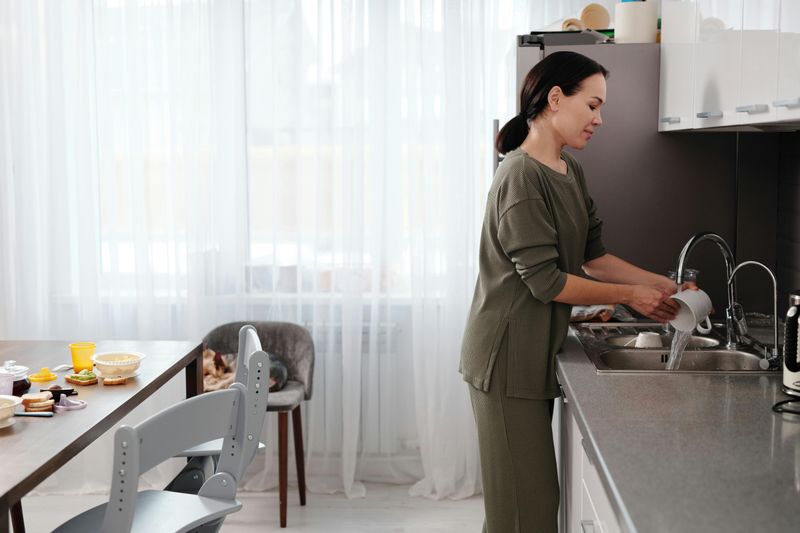
Many women look back and realize they agreed to a “temporary” imbalance that became permanent.
They took on more chores, more childcare, and more daily logistics because it felt easier than arguing or insisting on fairness.
When one partner consistently gets downtime and the other never truly clocks out, burnout becomes inevitable.
Women often regret not setting expectations from the start, because routines form quickly and are hard to undo later.
The problem is not only physical labor, because the planning, remembering, and organizing can be just as draining.
Over time, the imbalance can chip away at attraction and respect, because it starts to feel like parenting an adult.
A healthier structure is to divide tasks clearly and revisit them regularly, because partnership should reduce your load, not double it.
9. Sacrificing friendships, family ties, or personal identity

With distance, some women realize they slowly made their world smaller to keep their marriage comfortable.
They stopped seeing friends, avoided family, or gave up hobbies because their partner disliked it or because life felt too busy.
Isolation often happens quietly, because each skipped plan feels minor until you notice you have no support system left.
Women commonly regret the way they abandoned parts of themselves that once made them feel alive and confident.
A marriage can start to feel like a cage when your emotional needs are expected to be met by one person alone.
The loss of identity can also make conflict scarier, because leaving feels impossible when your community has faded.
A better choice is to protect your connections and interests, because a strong self makes a stronger relationship, not a weaker one.
10. Staying too long after trust is broken or values don’t align

Many women later admit they kept waiting for a version of the marriage that no longer existed.
They stayed after repeated lies, betrayals, addiction issues, or ongoing disrespect because hope felt more bearable than grief.
Sometimes the reason is practical, like finances or children, and sometimes it is emotional, like fear of being judged.
Regret grows when the same pain repeats and the promises to change never become consistent action.
Women often mourn the years spent negotiating for basic honesty, kindness, and reliability.
Even when love is real, values that do not match can turn daily life into a constant compromise of your peace.
A safer path is to set clear boundaries and timelines for change, because staying should be a choice, not a slow surrender.
Comments
Loading…