
 Chloe Peterson
Psychology Says People Who Wear Designer Logos Everywhere Share These 10 Traits

Have you ever noticed someone covered head-to-toe in designer logos and wondered what that says about them?
Psychology researchers have studied this behavior for years, and their findings are pretty fascinating.
The way people choose to dress often reveals more about their inner world than they realize.
Here are 10 traits that people who wear designer logos everywhere tend to share, according to psychology.
1. They Crave Constant Validation
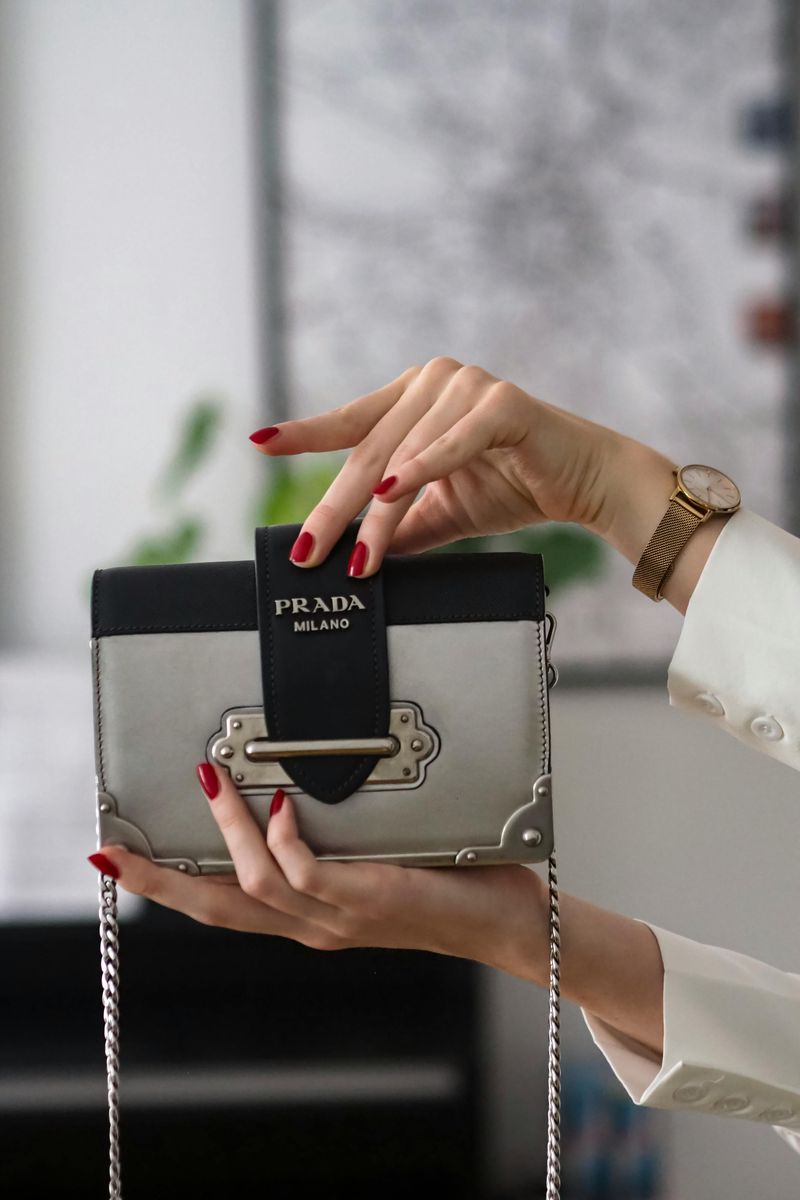
Wearing a Gucci belt or a Louis Vuitton bag is not just a fashion choice for some people — it is a silent plea for applause.
Psychologists have found that people who layer on recognizable logos are often driven by a deep need for external approval.
Rather than feeling good from the inside out, they look to others to confirm their worth.
This pattern is linked to low self-esteem and a fragile sense of identity.
Instead of building genuine confidence through personal achievements or relationships, they use luxury items as a shortcut to feeling valued and seen by the world around them.
2. They Fear Appearing Unsuccessful
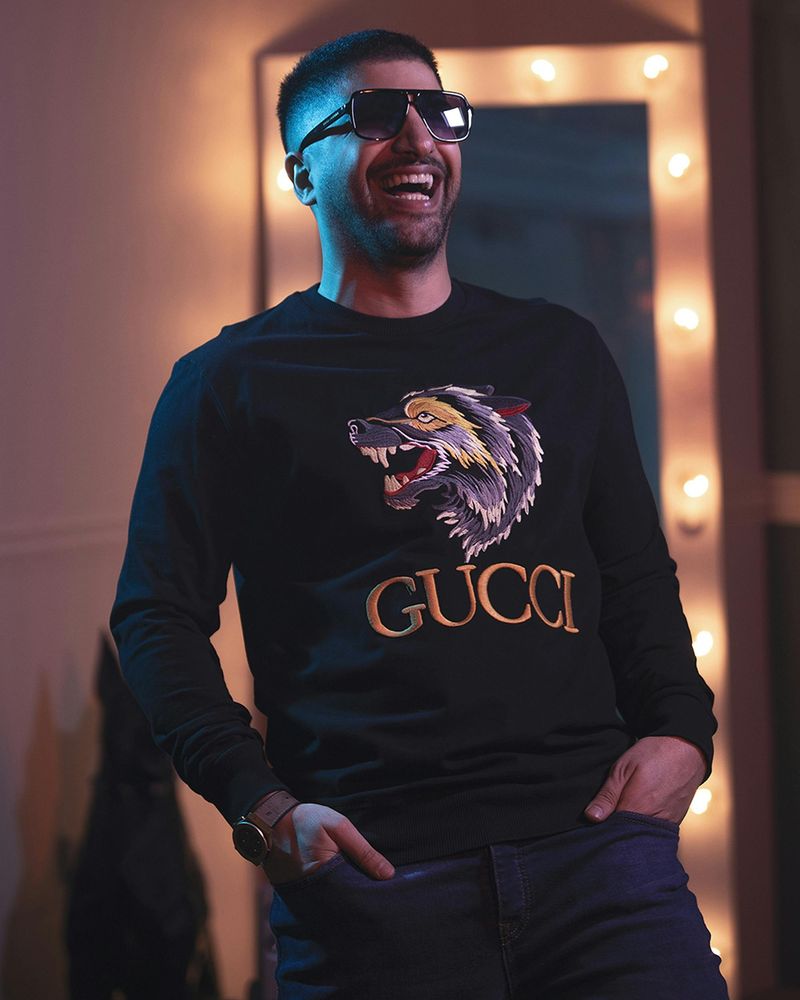
Nobody wants to look like they are falling behind, but for some people, that fear runs especially deep.
Psychologists note that individuals who consistently display designer logos are often motivated by a strong anxiety about being perceived as unsuccessful or financially struggling.
The logo acts as a public announcement: “I am doing just fine.”
This behavior is especially common among people who grew up watching others be judged by their financial status.
Wearing expensive brands feels like a protective layer against criticism or pity.
Unfortunately, dressing to quiet fear rarely resolves the deeper worry sitting just beneath the surface of those designer threads.
3. They Struggle With Imposter Syndrome
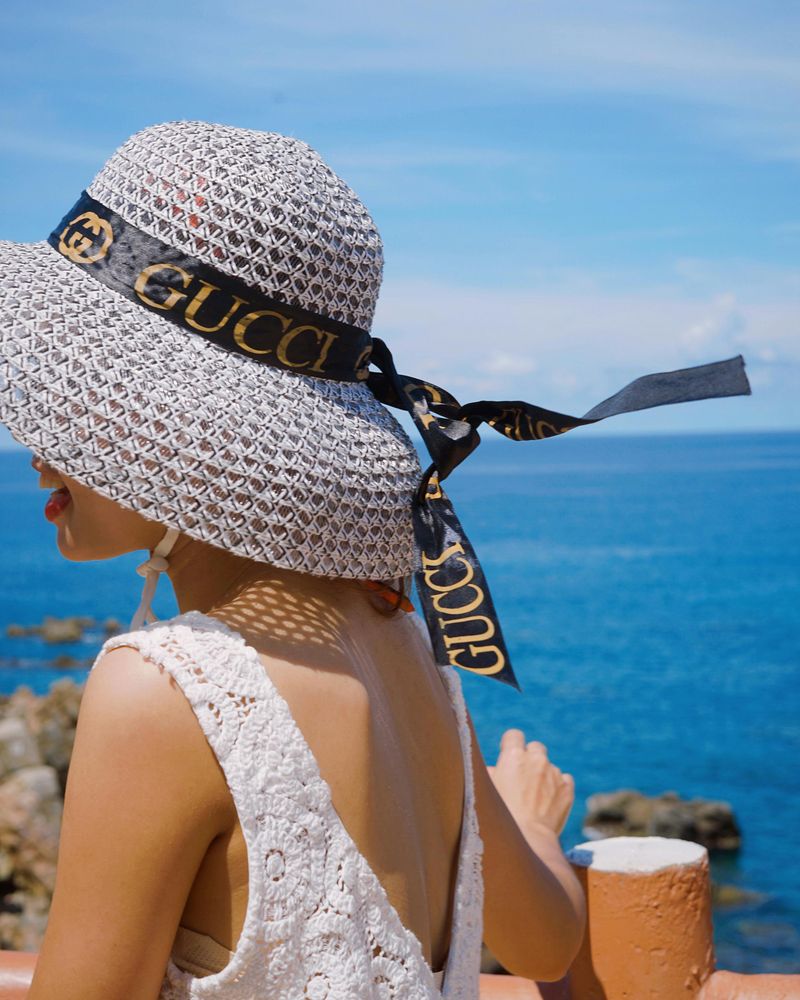
Imposter syndrome is that nagging feeling that you do not truly belong somewhere, even when you have earned your place.
Studies show that people who plaster themselves in prestigious logos sometimes do so to quiet that inner voice whispering that they are not good enough.
The brand becomes a kind of social armor, a shield worn on the outside.
Interestingly, the louder the logo, the louder the internal doubt can be.
Wearing a recognizable label sends a message to the room before a single word is spoken.
For those battling imposter syndrome, that message feels like borrowed confidence they hope no one will question.
4. They Tie Their Self-Worth to Money and Status
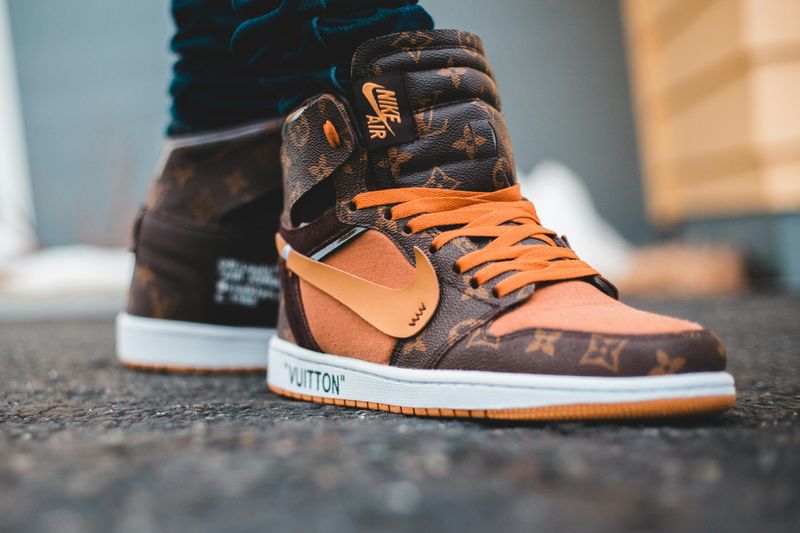
For some people, the price tag on their shirt is not just a number — it is their report card.
Research in consumer psychology suggests that individuals who heavily display luxury logos often believe their personal value is tied directly to how much they can spend.
A designer label becomes proof of success rather than simply a clothing choice.
This mindset can be tricky because it creates a cycle where self-worth rises and falls with financial circumstances.
When a person links who they are to what they own, they can feel empty without the next expensive purchase waiting in their shopping cart.
5. They Haven’t Fully Developed Their Own Identity
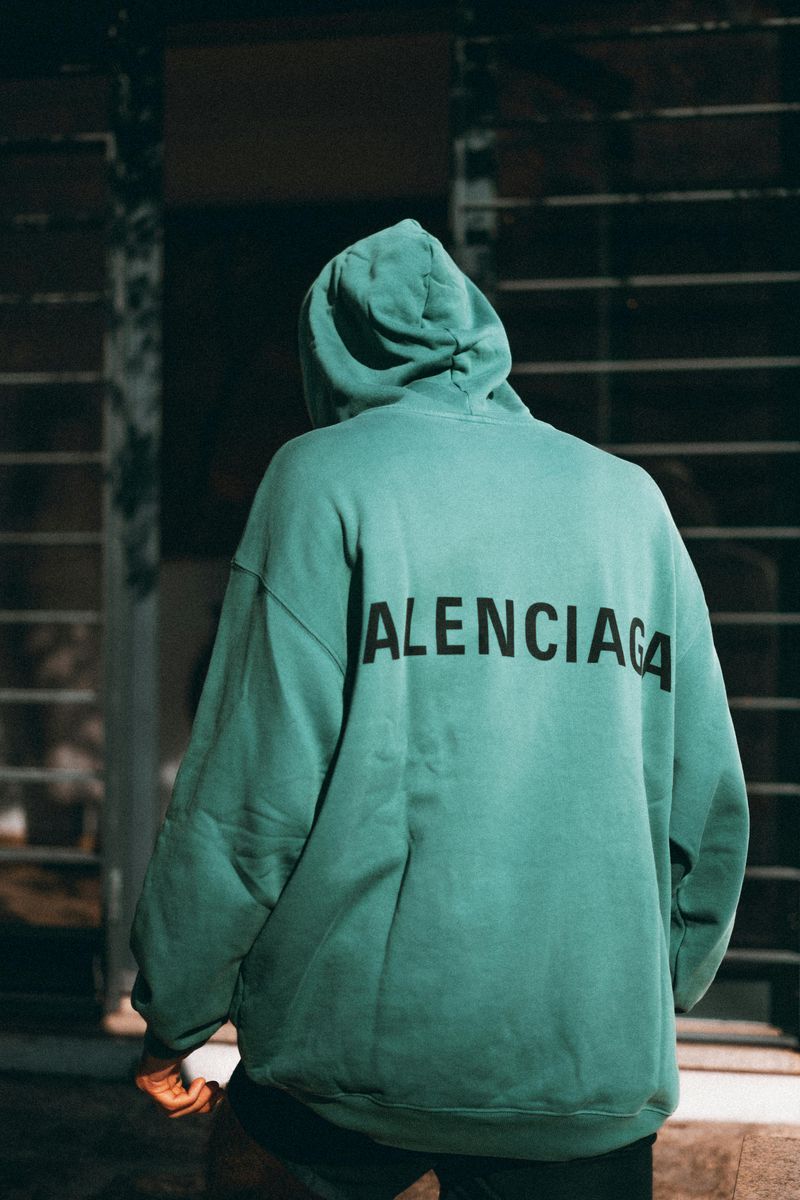
Personal style is one of the most creative ways people express who they are.
But when someone relies almost entirely on brand logos to define their look, it can signal that they have not yet figured out what they truly like or stand for.
Brands do a lot of the storytelling for them, filling in blanks that personal identity has not yet claimed.
This is especially common in younger people still figuring out who they are.
Wearing a recognizable brand feels like borrowing a ready-made personality.
The challenge is that no logo can substitute for the rich, layered sense of self that comes from lived experience and honest self-reflection.
6. They Want to Feel Accepted by Certain Social Circles

Think of designer logos as a kind of social password.
Research in social psychology shows that people who wear luxury brands prominently are often trying to signal membership in a particular group — one associated with wealth, taste, and influence.
The logo says, “I belong here,” even before introductions are made.
This desire for group acceptance is a very human need, but it becomes problematic when belonging feels impossible without the right brand on your chest.
True social connection is built on shared values and genuine personality.
No amount of stitched initials or embossed patterns can replace the warmth of being truly known and accepted by others.
7. They Feel Insecure About Their Background
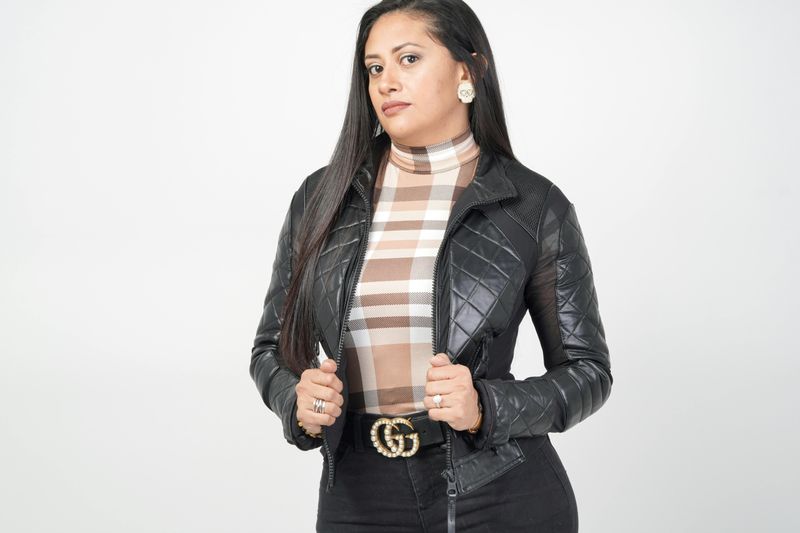
Growing up with less can leave invisible marks that follow people into adulthood.
Some individuals who load up on designer logos are quietly trying to rewrite their own story — or at least the version others see.
Luxury branding becomes a way to create distance between where they came from and where they want the world to think they are now.
There is nothing wrong with wanting a better life, but when shame about the past drives the spending, no wardrobe will ever feel like enough.
Psychologists suggest that healing the relationship with one’s background is far more powerful than any rebranding effort money could ever buy.
8. They Worry About Being Overlooked
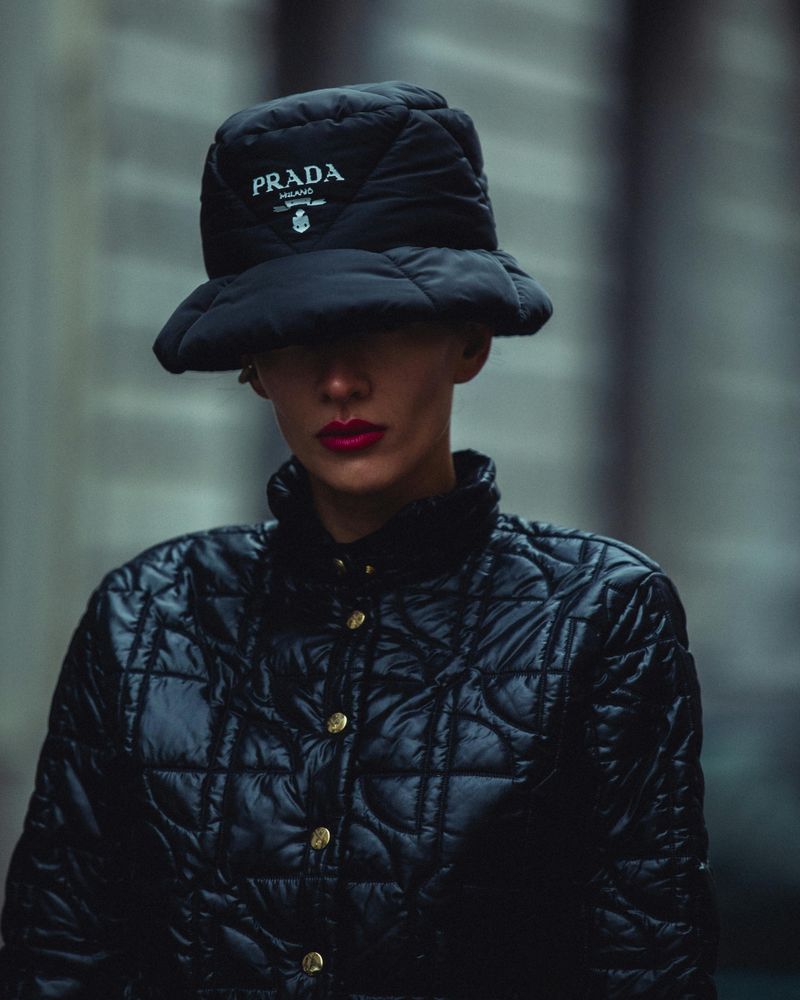
Bold logos shout. For people who feel invisible in social settings, that loudness is exactly the point.
Consumer behavior studies have found that individuals with a strong fear of being overlooked are drawn to highly visible luxury branding.
The logo does the work of grabbing attention so they do not have to find another way to stand out.
Ironically, this strategy can backfire.
People may notice the brand before they notice the person wearing it.
Building a memorable presence through confidence, humor, or kindness tends to create far more lasting impressions than any logo ever could — and it comes without the steep price tag attached.
9. They Constantly Compare Themselves to Others

Social comparison is something almost everyone does, but for logo-heavy dressers, it can become a daily competition.
Psychologists who study consumer behavior have noted that people who frequently measure their success against others are more likely to use designer items as visible scorecards.
The goal is not just to look good — it is to look better than someone else.
This habit is exhausting and rarely satisfying.
There is always someone with a newer bag or a pricier watch waiting around the next corner.
Shifting focus from external comparison to personal growth tends to bring far more satisfaction than winning a silent style competition nobody else even knew they were playing.
10. They Believe Looking Expensive Equals Influence

There is a widespread assumption baked into many cultures: expensive clothing equals power.
People who wear designer logos everywhere often operate under this belief, assuming that a recognizable brand automatically commands respect in a room.
In some settings, there is even a grain of truth to it — first impressions do involve appearance.
However, psychologists point out that real influence comes from competence, communication, and character.
Clothes might open a door, but they rarely keep it open for long.
Relying on a logo to project authority is a short-term strategy.
People who build genuine expertise and warmth tend to earn influence that no price tag could ever manufacture on its own.
Comments
Loading…