
 Jade Reed
Psychology Says People Who Overpack for Trips Share These 10 Traits
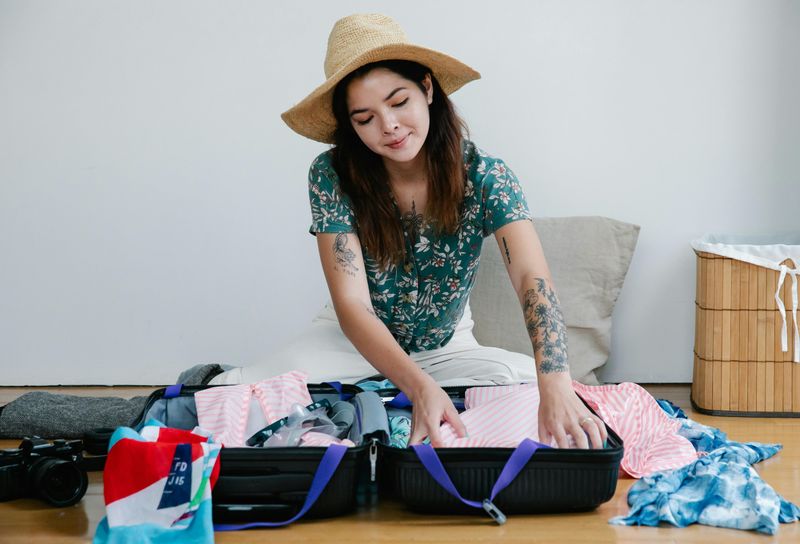
Ever watched someone struggle through an airport with three overstuffed suitcases and wondered what was going through their head?
Overpacking is more than just a bad habit — psychology suggests it reveals a lot about a person’s inner world.
From anxiety to perfectionism, the reasons people bring way too much stuff on trips are deeply rooted in how they think and feel.
If you or someone you know always packs “just in case,” these ten traits might explain exactly why.
1. Anxiety About Being Unprepared.
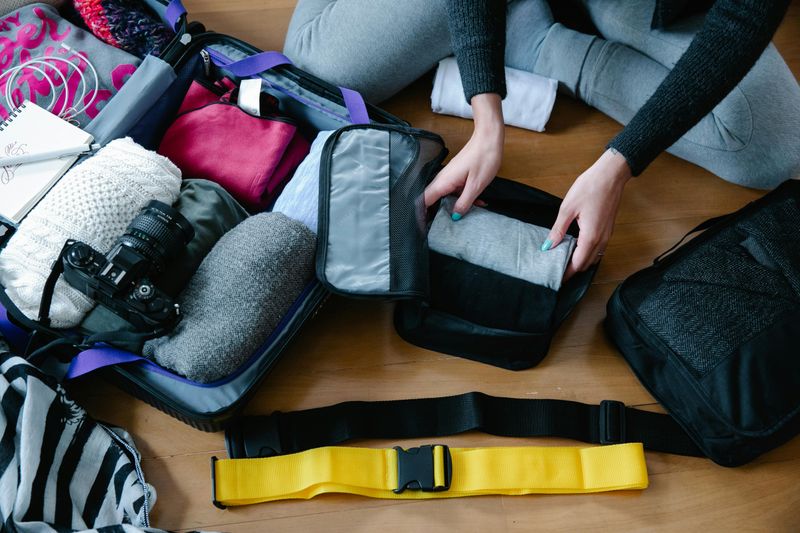
Packing that extra pair of shoes “just in case” is practically a ritual for people who live with travel anxiety.
For them, every item tossed into the suitcase is a small act of reassurance — a way of telling their nervous mind, “We are ready for anything.”
This constant worry that something might go wrong turns packing into an emotional safety net.
Research in anxiety psychology shows that preparing for worst-case scenarios helps reduce stress temporarily.
The suitcase essentially becomes a security blanket.
Unfortunately, the relief is short-lived, and the heavy bag becomes its own source of frustration.
2. A Strong Need for Control
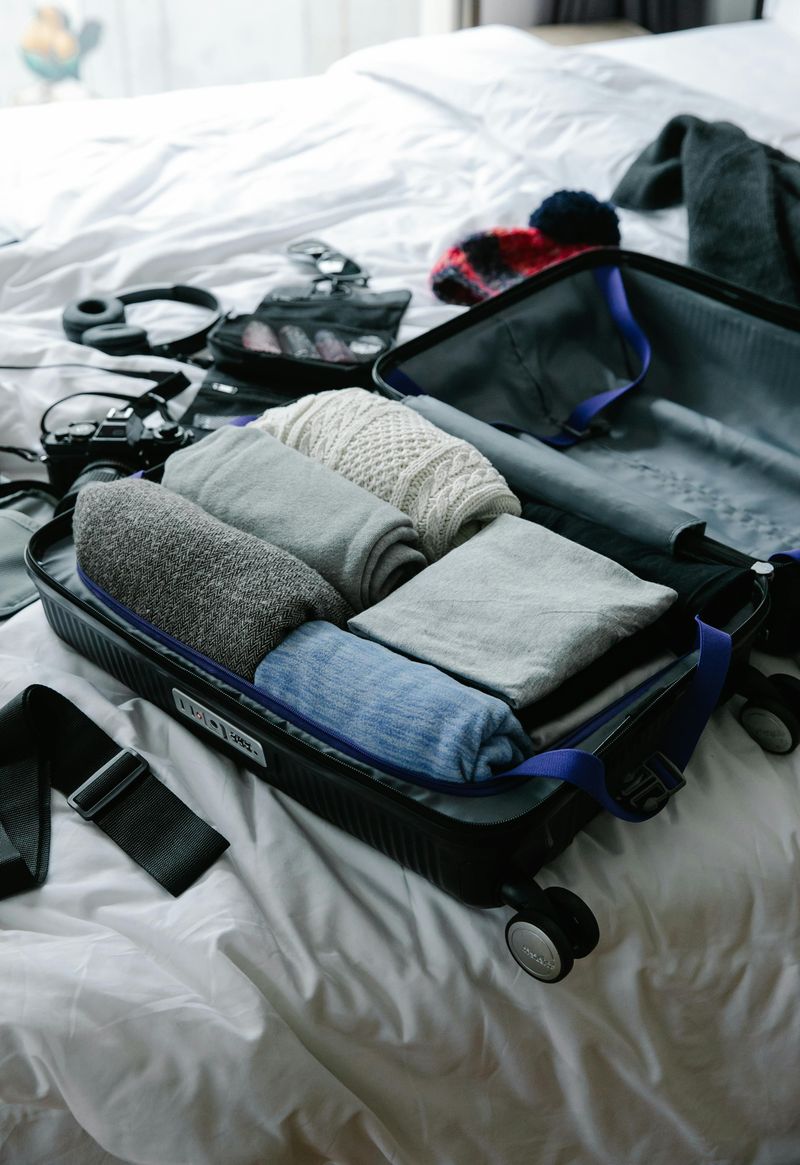
Travel has a funny way of throwing curveballs — delayed flights, unexpected weather, unfamiliar streets.
For people who crave control, that unpredictability can feel deeply uncomfortable.
So they do the one thing they can manage: they pack everything.
Overpacking becomes a personal power move.
If they cannot control the airline schedule or the hotel’s air conditioning, at least every outfit, gadget, and backup item is accounted for.
Psychologists call this a compensatory control behavior — managing one area of life when others feel out of reach.
It brings real comfort, even if the luggage fees sting a little.
3. Discomfort Relying on Others
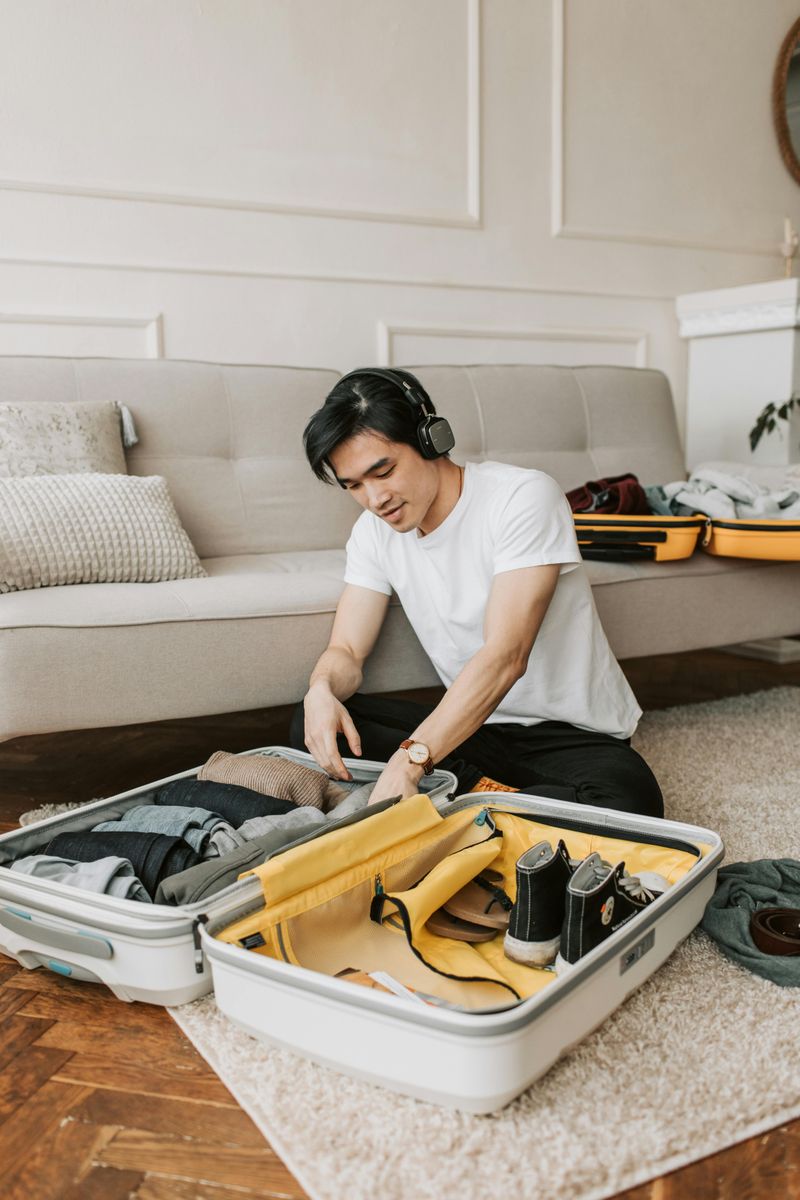
Some travelers would rather carry a 50-pound bag than ask a stranger where the nearest pharmacy is.
Strong self-sufficiency is admirable, but it can lead to packing as though civilization ends at the airport gate.
This trait often stems from past experiences where depending on others led to disappointment.
Bringing everything they could ever need feels empowering — a declaration of independence wrapped in bubble wrap.
Psychologists note that self-reliant personalities often struggle to delegate or seek help, even when it would make life easier.
Ironically, their overstuffed bag slows them down far more than a quick favor ever would.
4. Tendency to Catastrophize Small Problems
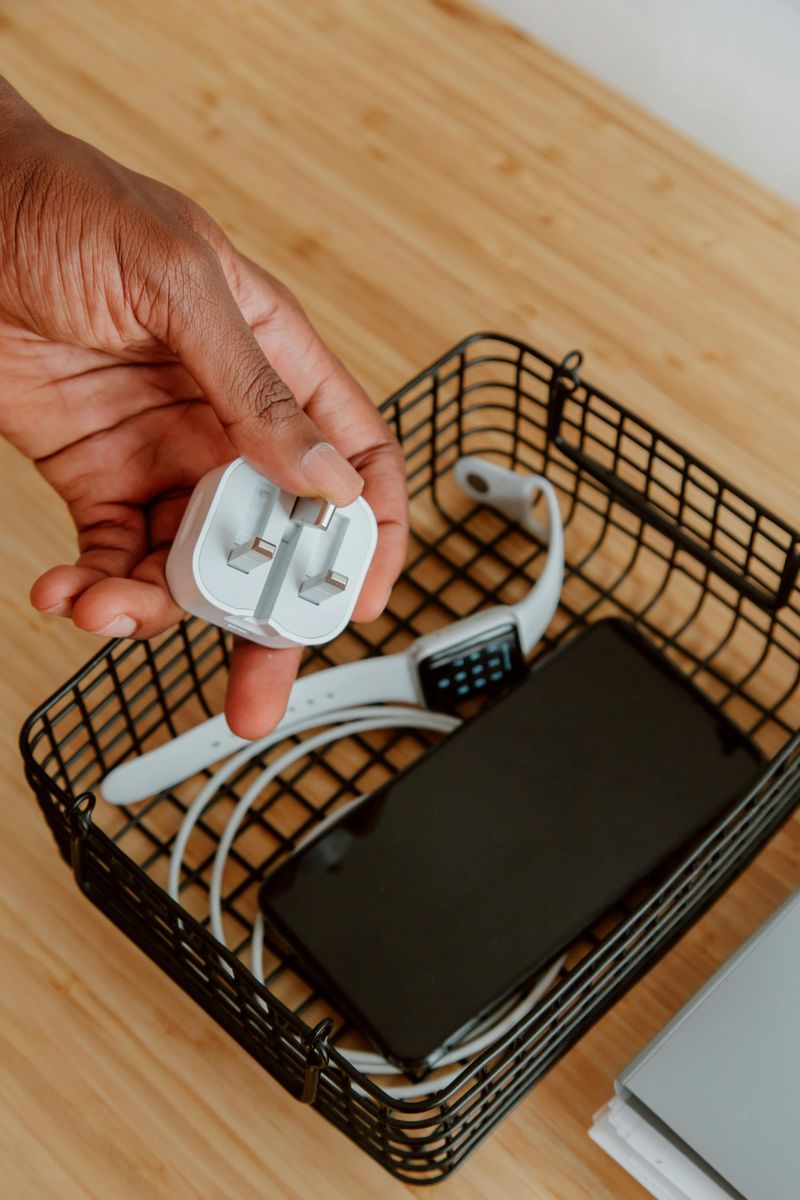
Forgot a charger once?
For a catastrophizer, that single memory becomes a lifelong lesson that justifies packing three chargers every single trip.
Their brains have a talent for turning small inconveniences into full-blown emergencies before the trip even begins.
This mental habit — known in psychology as catastrophizing — magnifies the likelihood and impact of minor problems.
Missing an item feels as serious as a medical crisis.
So they prepare for every scenario, no matter how unlikely.
While a little preparation is smart, packing for imaginary disasters adds unnecessary weight — both in the suitcase and on the mind.
5. Perfectionist Tendencies
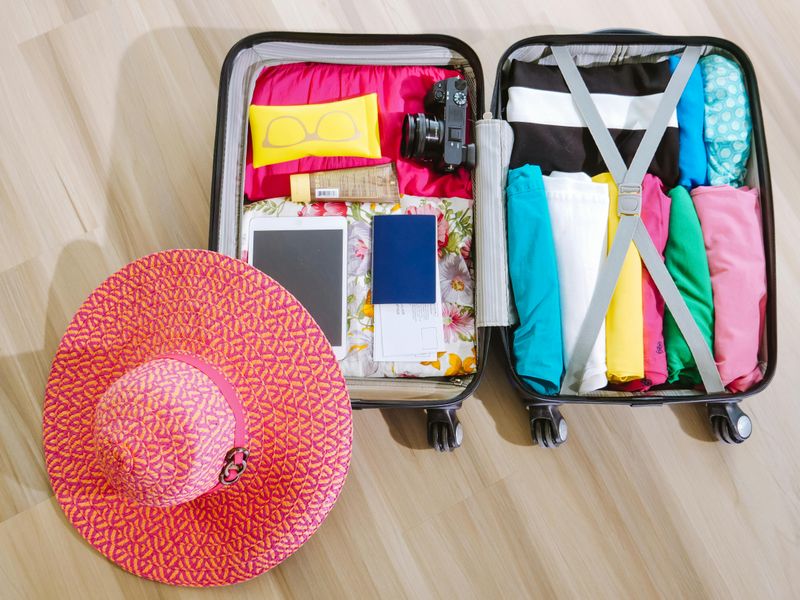
Perfectionists do not just pack — they curate.
Every item is chosen with purpose, every outfit planned for a specific day, every backup option considered.
The idea of being caught underprepared is almost physically uncomfortable for them.
This drive to have everything “just right” pushes them to overprepare in every area of life, and travel is no exception.
Psychologists link perfectionism to a deep fear of failure or judgment, which makes the idea of forgetting something feel like a personal shortcoming.
The good news?
Their bags are always immaculate.
The not-so-good news?
Their arms are always sore from carrying them.
6. Emotional Attachment to Belongings
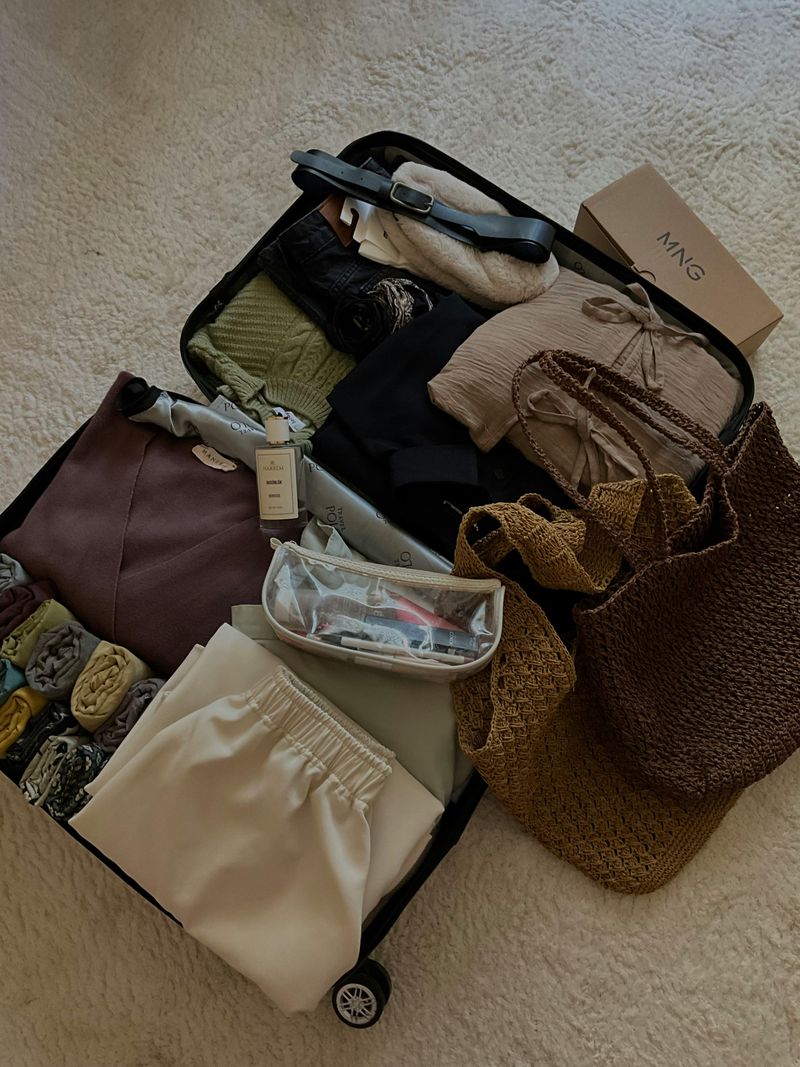
There is something deeply comforting about sleeping with your own pillow, wearing your favorite hoodie, or having a familiar mug nearby — even 2,000 miles from home.
For emotionally attached travelers, leaving beloved items behind genuinely feels like a small loss.
Objects carry emotional weight.
Psychologists who study attachment theory suggest that familiar belongings create a sense of psychological safety, especially in new or stressful environments.
Bringing them along is not just practical — it is soothing.
While it is perfectly healthy to love your stuff, the challenge comes when every sentimental item ends up in the suitcase, turning a weekend trip into a moving project.
7. Difficulty Handling Uncertainty and Adapting
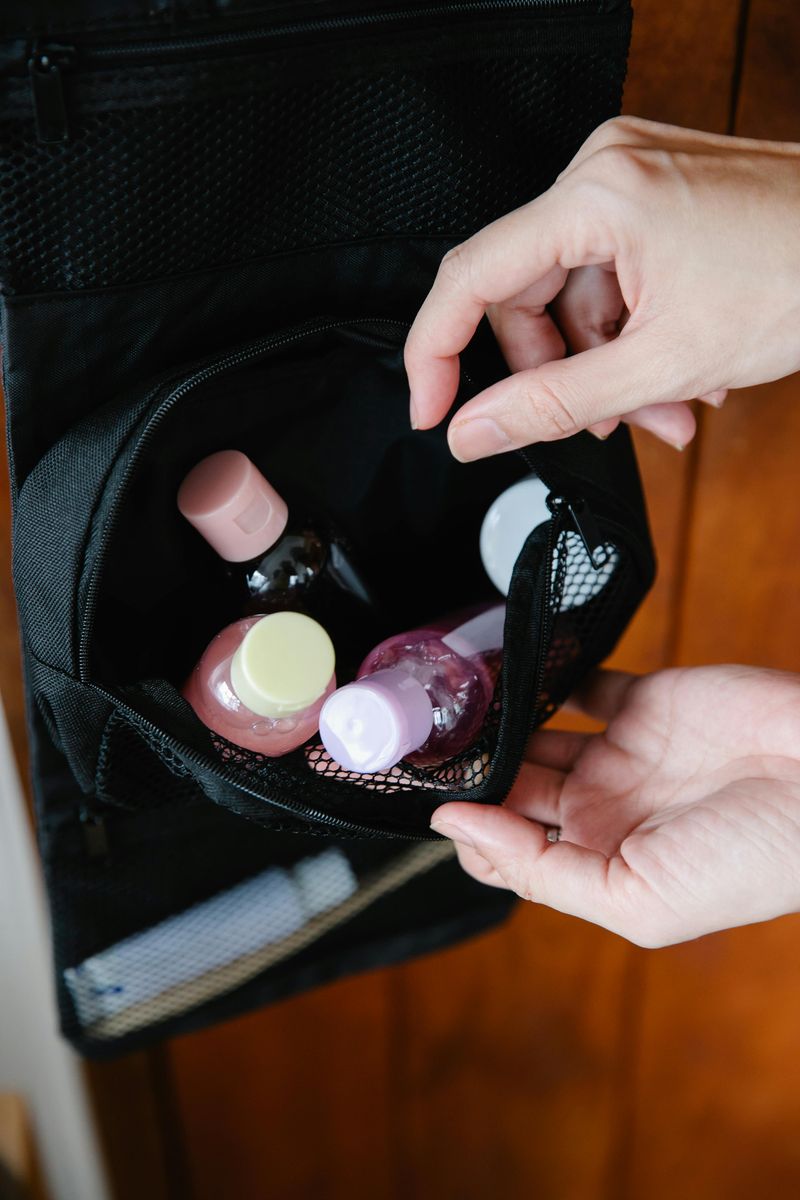
Winging it is a travel style that works beautifully for some people — but for others, the mere thought of improvising sends their stress levels through the roof.
When uncertainty feels threatening, overpacking serves as a built-in buffer against the unexpected.
Having extra clothes, medications, snacks, and gadgets means fewer moments of having to figure things out on the spot.
Psychology research on intolerance of uncertainty shows that people who struggle with ambiguity often over-prepare across all areas of life.
The suitcase becomes a portable comfort zone — a familiar world they carry into unfamiliar places to keep anxiety at bay.
8. Decision-Making Indecisiveness

For chronically indecisive packers, choosing between options feels like an impossible gamble.
“But what if I feel like wearing the blue dress AND the green one?”
The safest solution, in their mind, is simple: bring both.
And the backup.
And the other backup.
This “what if” mindset is driven by a fear of making the wrong choice.
Psychologists connect indecisiveness to deeper anxieties around regret and self-doubt.
Committing to fewer items requires confidence that things will work out — and that confidence can be hard to find.
The result is a suitcase stuffed with options, most of which never leave the hotel closet.
9. Low Tolerance for Discomfort

Running out of your favorite shampoo mid-trip?
Wearing an outfit that is slightly too warm?
For people with a low tolerance for discomfort, these are not minor annoyances — they are trip-ruining disasters that must be prevented at all costs.
This trait is closely tied to what psychologists call discomfort intolerance — the tendency to overestimate how bad small inconveniences will feel and to go to great lengths to avoid them.
Packing extra comfort items, backup snacks, and redundant toiletries is their armor against any possible unpleasantness.
The irony is that hauling all that extra weight creates a brand-new source of discomfort along the way.
10. Cognitive Rigidity and Difficulty Being Flexible
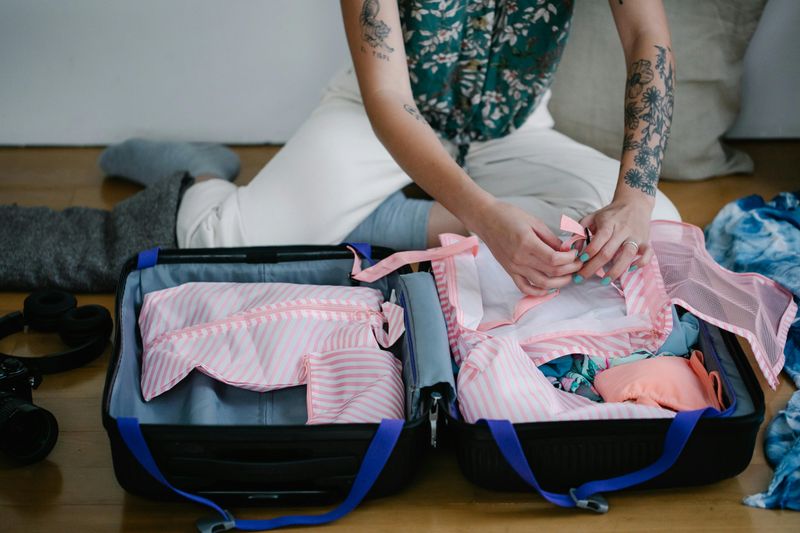
For rigid thinkers, a trip without a fully packed bag feels like showing up to a test without a pencil.
Structure and predictability are not just preferences — they are psychological necessities.
Improvising on the road is not charming; it is stressful.
Cognitive rigidity, as psychologists describe it, is a tendency to rely heavily on fixed patterns and routines rather than adapting to new situations.
Overpacking is a natural extension of this mindset — if you bring everything, you never have to think on your feet.
While this approach offers comfort, learning to embrace a little flexibility can actually make travel far more enjoyable and surprisingly freeing.
Comments
Loading…