
 Jade Reed
Some people light up when their phone rings, while others feel a wave of dread wash over them.
If you’re someone who would rather send a quick text than pick up the phone, you’re definitely not alone.
Understanding why texting feels more natural for certain people reveals interesting patterns about how we connect, process information, and protect our energy in an increasingly connected world.
1. They Like Time to Think Before Responding

Instant responses aren’t everyone’s strong suit.
When you text instead of call, you get precious moments to consider what you really want to say instead of blurting out the first thing that comes to mind.
This pause creates space for more intentional communication.
You can edit, rephrase, and make sure your message truly reflects your thoughts.
It’s like having a mental rough draft before hitting send.
Research on communication styles shows that reflective communicators tend to produce more thoughtful, nuanced responses.
That extra time helps you avoid misunderstandings and express yourself with greater clarity and confidence.
2. They Value Control Over Timing and Pace

Picture this: you’re deep in a project when suddenly your phone rings, demanding immediate attention.
For text-preferred people, this feels like an unwelcome interruption that disrupts their flow.
Asynchronous messaging flips the script entirely.
You decide when you have the mental bandwidth to engage in conversation.
This control reduces stress and helps you manage your energy throughout the day.
Being able to respond on your own schedule means you’re not constantly at the mercy of other people’s timing.
You can finish what you’re doing, gather your thoughts, and reply when it works for you—not when someone else decides to dial your number.
3. They Feel More Confident Expressing Themselves in Writing

Words flow differently through fingertips than through vocal cords.
Some people simply communicate better when they can see their thoughts spelled out in front of them before sending them into the world.
Written communication allows you to organize complex ideas without interruption.
You won’t lose your train of thought mid-sentence or struggle to find the right word while someone waits on the other end of the line.
This preference isn’t about lacking verbal skills—it’s about playing to your strengths.
When you write, you can craft your message with precision, add context where needed, and convey exactly the tone you intend without vocal inflection getting in the way.
4. They Experience Less Social Pressure Through Text

Ever felt your heart race when you see an incoming call?
That’s the weight of real-time social evaluation pressing down on you, and it’s completely exhausting for many people.
Texting removes that immediate performance anxiety.
There’s no awkward silence to fill, no pressure to laugh at the right moment, and no worry about how your voice might sound today.
You can just be yourself without the spotlight.
Studies confirm that written communication reduces the stress of live social judgment.
Without hearing someone’s tone or sensing their impatience, you can focus purely on the content of your message rather than managing social cues simultaneously.
5. They Prefer Low-Stimulation Interactions

Phone calls bring a lot to the table—voice tone, background noise, unexpected tangents, and the constant need to stay verbally engaged.
For some brains, that’s simply too much input at once.
Text-based communication offers a calmer alternative.
You process one message at a time without competing stimuli demanding your attention.
It’s communication stripped down to its essential elements without sensory overload.
People who are sensitive to stimulation often find texting feels less draining.
You can have meaningful conversations without the emotional and sensory intensity that comes with hearing someone’s voice and managing real-time interaction dynamics.
6. They Prioritize Personal Boundaries

Respecting boundaries doesn’t make you antisocial—it makes you self-aware.
Texting allows you to maintain connections without sacrificing your personal space or letting others dictate when you must be available.
A phone call demands immediate presence and undivided attention.
Texting, however, acknowledges that both people have lives, schedules, and moments when they simply can’t drop everything to chat.
This communication style honors the reality that everyone’s time and attention are limited resources.
You can stay connected with people you care about while still protecting the boundaries that help you function at your best throughout the day.
7. They Appreciate Having a Written Record
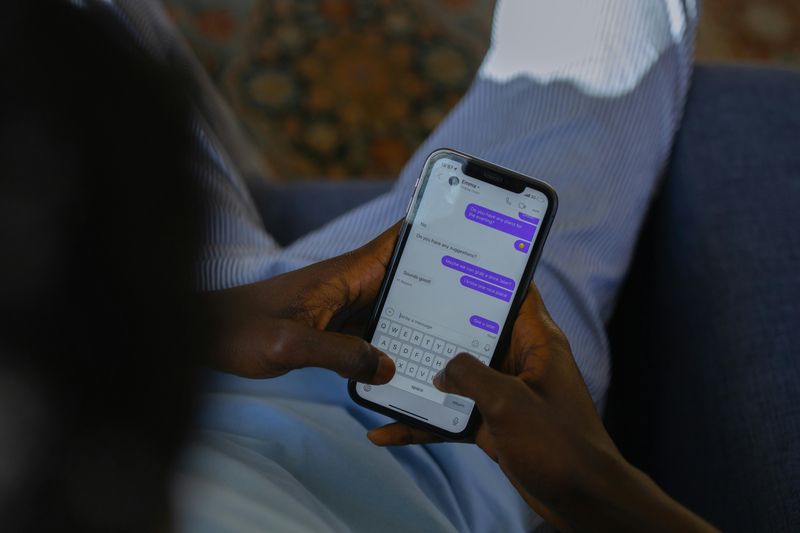
Did they say Tuesday or Thursday?
Was it 3 PM or 3:30 PM?
Phone calls leave you scrambling to remember details, while texts create an automatic record you can reference anytime.
Having conversations in writing means you’ll never again wonder if you misheard something important.
You can scroll back, confirm details, and hold yourself and others accountable to what was actually said.
This isn’t about being controlling—it’s about valuing clarity and precision.
People who prefer structure and accuracy naturally gravitate toward communication methods that preserve information.
Your message history becomes a reliable reference library instead of a fuzzy memory.
8. They Avoid High-Pressure or Confrontational Exchanges

Difficult conversations are hard enough without the added pressure of managing them in real time.
When emotions run high, having space to breathe and think becomes incredibly valuable.
Texting provides emotional distance that helps you navigate sensitive topics more thoughtfully.
You can pause when you feel defensive, reconsider your words before sending them, and respond from a calmer place rather than reacting impulsively.
This doesn’t mean avoiding tough conversations—it means approaching them strategically.
By removing the intensity of live confrontation, you create room for more productive dialogue where both people can express themselves without escalating unnecessarily or saying things they’ll later regret.
9. They Process Information Internally Before Engaging

Some people think out loud, bouncing ideas around as they speak.
Others need to process internally first, examining thoughts privately before sharing them with the world—and that’s where texting becomes essential.
This introspective communication style isn’t about being slow or indecisive.
It’s about honoring how your brain naturally works.
You gather information, consider different angles, and formulate complete thoughts before expressing them.
Phone calls force you to think and speak simultaneously, which feels unnatural if you’re wired to process internally.
Texting respects your need for internal reflection, letting you engage authentically without compromising your natural thinking style or feeling pressured to verbalize half-formed ideas.
Comments
Loading…