
 Isabel Parker
People Who Need Alone Time to Reset Often Share These 10 Strengths

Some people recharge best when they step away from the noise and spend time by themselves.
This need for alone time is not about being antisocial or unfriendly.
Instead, it reflects a deeper understanding of how their minds and emotions work best.
People who seek solitude to reset often possess unique strengths that help them navigate life with clarity, creativity, and resilience.
1. Self-Awareness

Understanding yourself deeply starts with taking moments to pause and reflect.
When you spend time alone, you create space to notice your feelings, recognize patterns in your thinking, and identify what truly matters to you.
This quiet reflection helps you set boundaries that protect your energy and values.
You learn what drains you and what fills you up again.
Over time, this awareness becomes a powerful tool for making better decisions.
People who regularly reset in solitude often know themselves better than those who never stop moving.
They can name their emotions accurately and respond thoughtfully rather than react impulsively to life’s challenges.
2. Emotional Regulation
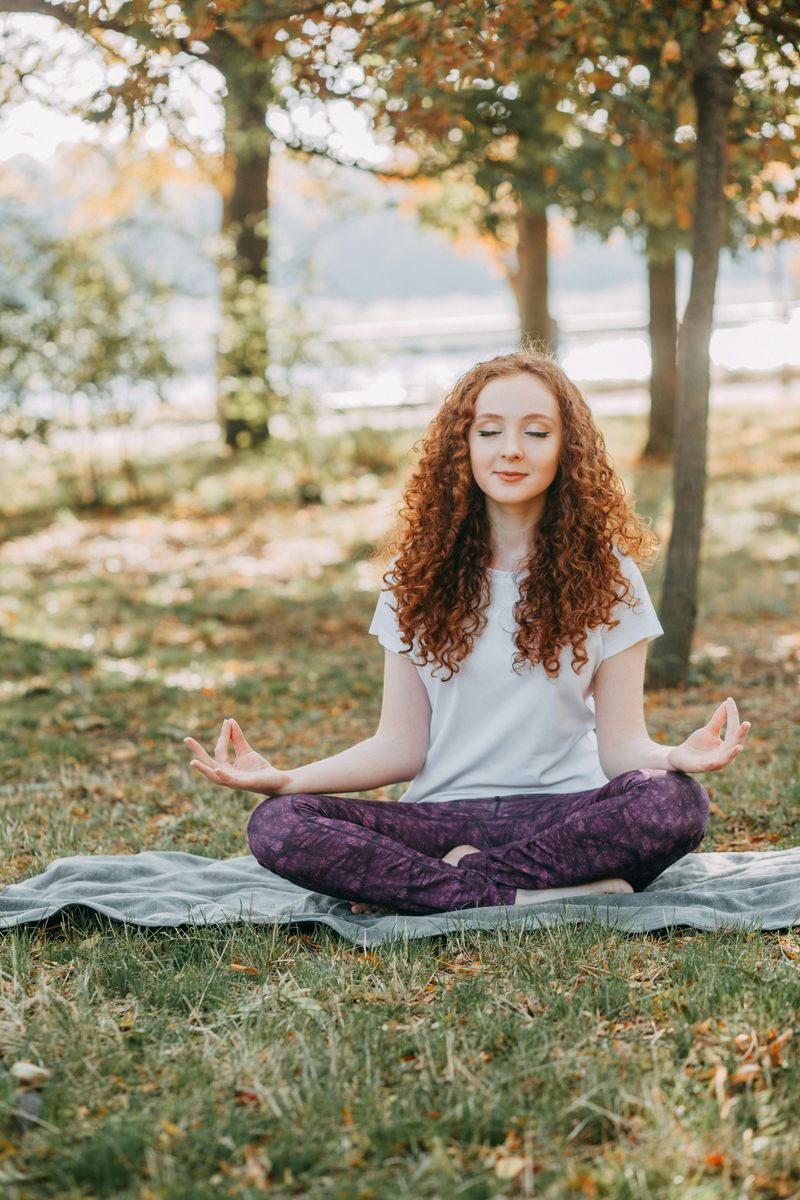
Your nervous system needs breaks from constant stimulation to function well.
Solitude offers that essential pause, allowing your body and mind to settle after stressful moments or overwhelming social interactions.
When you give yourself this space, managing difficult emotions becomes easier.
You can process feelings without external pressure or judgment.
Mood swings become less intense and more manageable.
This ability to calm yourself down independently is incredibly valuable.
Instead of relying on others to fix your emotional state, you develop internal tools that work anytime, anywhere.
This makes you more stable and confident in handling whatever life throws your way.
3. Lower Stress Levels

Scientists have discovered something fascinating about intentional solitude.
Taking purposeful time alone actually reduces the wear and tear that stress puts on your body and mind.
Social situations, even enjoyable ones, require mental energy.
Your brain works hard processing conversations, reading facial expressions, and managing interactions.
This constant processing creates fatigue that builds up over time.
By stepping away regularly, you give your system a chance to recover.
Mental exhaustion decreases, physical tension releases, and your overall stress levels drop significantly.
This protective habit keeps burnout at bay and helps maintain your long-term wellbeing and happiness.
4. Autonomy and Independence

Choosing to spend time alone reflects something important about your psychological makeup.
It shows you trust your own judgment and feel comfortable making decisions without constantly seeking approval from others.
This independence strengthens your sense of self.
You become less swayed by group pressure or outside opinions that do not align with your values.
Your choices come from internal conviction rather than external influence.
People who value alone time often display remarkable self-sufficiency.
They enjoy their own company and do not feel incomplete without constant companionship.
This confidence makes them more resilient and less dependent on validation from the world around them.
5. Improved Focus and Concentration

Ever notice how hard it becomes to think deeply when people keep interrupting?
External demands constantly pull your attention in different directions, making complex thinking nearly impossible.
Alone time removes these distractions completely.
Without conversations to navigate or social cues to monitor, your brain can finally dive into challenging tasks.
Your attention span lengthens naturally when nobody else needs anything from you.
This uninterrupted mental space allows for the kind of deep work that produces your best results.
Problems that seemed impossible suddenly become solvable.
Ideas that were fuzzy become clear and well-developed through sustained concentration.
6. Creativity and Idea Generation

Your most innovative ideas often arrive when your mind wanders freely without external input.
Research consistently shows that uninterrupted solitude sparks creativity in ways that group settings simply cannot match.
When you are alone, your brain makes unexpected connections between different concepts.
Without social conversation directing your thoughts, your imagination explores unusual pathways.
These mental wanderings frequently lead to breakthrough insights and novel solutions.
Artists, writers, and inventors throughout history have relied on solitude for their creative work.
They understood that originality requires space away from conventional thinking and outside opinions that might limit imagination or discourage unconventional approaches to problems.
7. Healthy Self-Soothing Skills
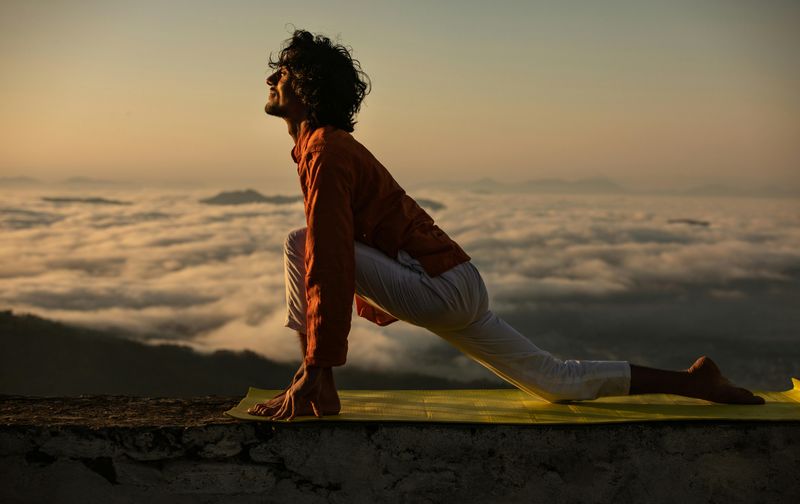
Learning to comfort yourself without always needing someone else is a powerful life skill.
People who regularly reset alone develop strong internal coping strategies that work independently of external circumstances.
These self-soothing abilities might include deep breathing, positive self-talk, or simply sitting with uncomfortable feelings until they pass.
You learn that difficult emotions are temporary and manageable without constant reassurance from others.
This independence from external validation creates remarkable emotional stability.
You become less vulnerable to others’ availability or moods.
Your ability to recover from setbacks depends on your own reliable internal resources rather than unpredictable external support.
8. Authenticity

Social situations often require some level of performance.
You adjust your behavior, watch your words, and present yourself in ways that meet expectations.
This social masking, while sometimes necessary, can be exhausting.
Alone time removes this pressure completely.
You can be exactly who you are without worrying about judgment or misunderstanding.
Your true preferences, quirky habits, and honest thoughts all have space to exist freely.
This regular practice of being fully yourself strengthens your sense of authenticity.
You stay better connected to your real values and beliefs rather than losing yourself in what others expect.
This alignment between your inner truth and outer behavior creates genuine confidence.
9. Emotional Resilience
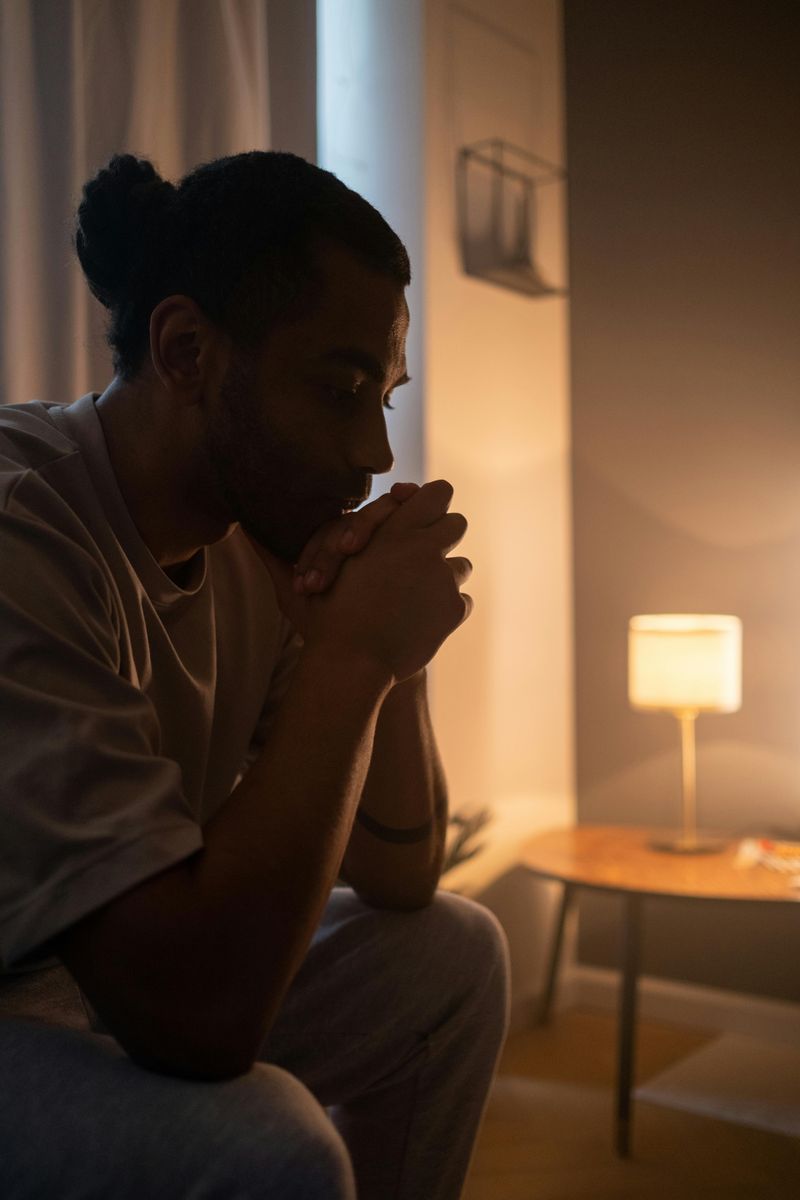
Bouncing back from difficult experiences requires time to process what happened.
Regular alone time provides essential space for this emotional digestion, helping you make sense of challenges and extract lessons from hardship.
During solitude, you can examine your reactions without explaining or defending them to anyone else.
This honest self-examination builds understanding of your emotional patterns.
You learn what helps you recover and what keeps you stuck.
Over time, this practice creates remarkable resilience.
Setbacks that might have crushed you before become manageable obstacles.
You develop trust in your ability to work through pain and emerge stronger, knowing you have faced difficulties before and survived them.
10. Psychological Restoration
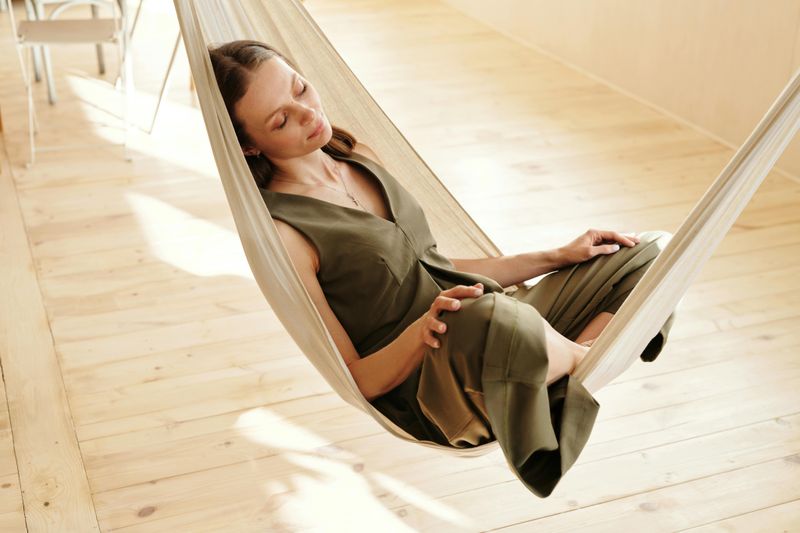
Think of alone time as charging your mental and emotional batteries.
Just as your phone needs regular recharging, your psychological energy depletes through daily demands and social interactions, even positive ones.
Solitude acts as this essential recharge period.
Your mind gets to rest from the constant work of social engagement.
Emotional energy that was spent managing relationships and responsibilities slowly refills during these quiet moments.
Without this regular restoration, burnout becomes inevitable.
People who protect their alone time maintain steadier energy levels and greater enthusiasm for life.
They return to social situations refreshed rather than depleted, ready to engage fully without resentment or exhaustion weighing them down.
Comments
Loading…