
 Hailey Watson
People Who Joke in Serious Situations Often Share These 10 Traits

Have you ever noticed someone cracking a joke right in the middle of a tense or serious moment?
While it might seem odd or even inappropriate at first, there is actually a lot going on beneath the surface.
People who use humor during difficult times often share specific psychological traits that help them cope, connect, and stay grounded.
Understanding these traits can change the way you see humor entirely.
1. They Use Humor as a Mature Psychological Defense

Psychologists rank humor among the healthiest defense mechanisms a person can use.
Unlike denial or avoidance, humor allows someone to face a difficult reality head-on while softening its emotional weight.
It is a sign of psychological maturity, not immaturity.
Instead of shutting down or pretending a problem does not exist, these individuals transform stress into something lighter and more manageable.
This approach lets them stay present in challenging situations without being crushed by them.
It takes real emotional strength to laugh when life gets hard.
2. They Create Emotional Distance From Stressful Situations

When emotions get overwhelming, the brain needs a way to breathe.
Turning a serious moment into a joke creates a small but powerful gap between the person and the intensity of what they are feeling.
That gap can make all the difference.
Anxiety, sadness, and fear can feel suffocating when experienced all at once.
Humor acts like a pressure valve, giving the mind a brief escape without completely ignoring the situation.
People who do this naturally have often learned, sometimes without realizing it, that stepping back emotionally helps them think more clearly and stay functional under pressure.
3. They Rely on Humor to Reduce Stress

Research on coping strategies consistently shows that humor can buffer the psychological toll of stress.
A well-timed joke does not erase the problem, but it does change how heavy the problem feels in the moment.
That shift matters more than people often realize.
People who joke under pressure are often doing something clever without even thinking about it.
By reframing tension through playful remarks, they lower their own emotional pressure and lighten the mood for everyone around them.
Studies suggest this habit can even lower cortisol levels, the hormone most closely linked to stress responses in the body.
4. They Reframe Negative Experiences Through Positive Reappraisal

Positive reappraisal is a fancy term for a simple idea: finding a way to see something bad in a less threatening light.
People who joke during serious moments do this almost automatically.
Humor becomes their mental toolkit for turning an intimidating situation into something survivable.
Rather than getting stuck in worst-case thinking, they flip the script.
A joke about a frightening medical diagnosis, a failed exam, or a tough breakup is not the same as ignoring the pain.
It is a way of saying, I see this clearly, and I choose not to let it own me.
That mindset is genuinely powerful.
5. They Instinctively Try to Diffuse Tension in Groups

Walk into any room where conflict is simmering, and you will almost always find one person who cracks a joke at just the right moment.
That person is not being careless.
They are reading the room and responding to what the group needs.
Humor in social settings functions like a release valve for collective pressure.
A clever remark can break an uncomfortable silence, ease a heated argument, or help people feel safe enough to breathe again.
People who do this naturally tend to be highly attuned to group dynamics.
They sense tension before others name it, and they know how to soften it without dismissing anyone’s feelings.
6. They Sometimes Avoid Direct Emotional Vulnerability

Not every joke told in a serious moment comes from a place of pure confidence.
For some people, humor is a shield that keeps deeper feelings safely tucked away from view.
Fear, sadness, and uncertainty can feel too exposed to share openly.
Redirecting an emotionally charged moment with a laugh is a way of staying in control of how much others can see.
It is a habit that often develops early in life, especially for people who grew up in environments where vulnerability felt unsafe.
Recognizing this pattern is the first step toward understanding that letting others in does not always have to feel so risky.
7. They Have Learned to Regulate Emotions Through Humor

Emotional regulation is the ability to manage how you feel without being overwhelmed by your feelings.
For some people, humor has quietly become one of their most reliable tools for doing exactly that.
It did not happen overnight.
Over time, joking through hard moments trains the brain to associate stress with something that can be lightened rather than endured passively.
Research shows that humor can increase positive emotions even after negative events, helping to stabilize mood fairly quickly.
People who have developed this skill often appear remarkably calm under pressure, not because they feel nothing, but because they have found a way to stay steady inside the storm.
8. They Use Laughter to Strengthen Social Bonds

Shared laughter is one of the fastest ways humans connect with each other.
When someone cracks a joke during a tense or painful moment, part of what they are doing is reaching out and saying, we are in this together.
That matters deeply to people around them.
Humor creates a sense of solidarity.
It signals that the situation, however hard, does not have to isolate everyone involved.
Research in social psychology has long linked laughter to increased feelings of trust and group cohesion.
People who joke during serious moments may not always realize it, but they are often doing the emotional work of holding a group together.
9. They May Be Coping With Difficult or Traumatic Experiences
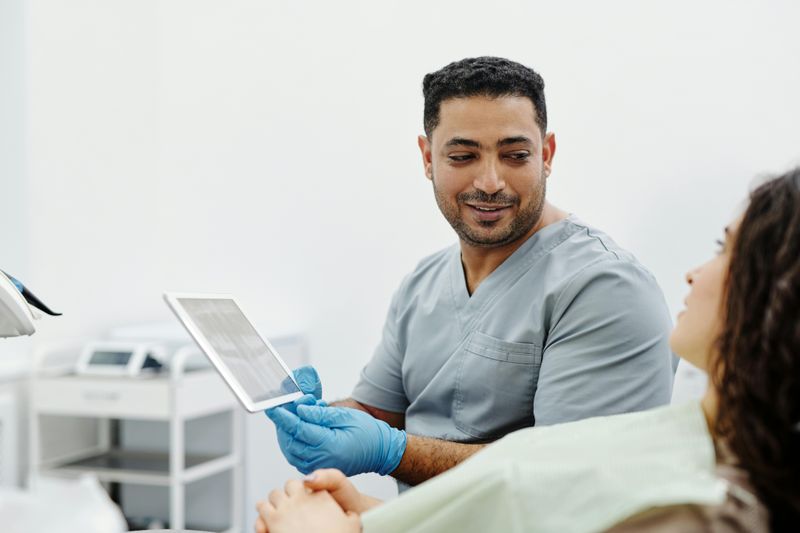
Doctors, nurses, soldiers, and emergency responders are famous for their dark or ironic sense of humor.
It might seem strange from the outside, but inside those worlds, it makes complete sense.
When tragedy is part of the daily routine, humor becomes a survival strategy.
Dark jokes are not a sign of cruelty or indifference.
They are often a sign that someone has experienced something intense and found a way to keep moving forward without shutting down entirely.
Processing trauma through humor allows people to acknowledge what happened without being permanently paralyzed by it.
It is one of the most human ways of saying, I went through something hard, and I am still here.
10. They Use Humor to Regain a Sense of Control
Few things feel worse than being completely powerless in a scary or uncertain situation.
Humor offers a quiet but effective way to push back against that feeling.
When someone turns a frightening moment into a joke, they are psychologically shifting the balance in their favor.
Making something funny takes creative control. It means the situation no longer fully owns you.
Even a small laugh can signal to the brain that there is still agency in the moment, and that shift in perception can reduce panic and restore a sense of calm.
People who joke under pressure are often, without fully realizing it, fighting to stay in the driver’s seat of their own experience.
Comments
Loading…