
 Hailey Watson
People who grew up in the 1960s experienced a childhood that looked very different from today’s carefully curated, screen-filled world.
With fewer distractions and less supervision, kids were often expected to figure things out on their own, learning responsibility, resilience, and independence at an early age.
Those early experiences shaped lifelong habits and values—many of which feel increasingly rare in modern childhood.
1. You Don’t Need Constant Entertainment
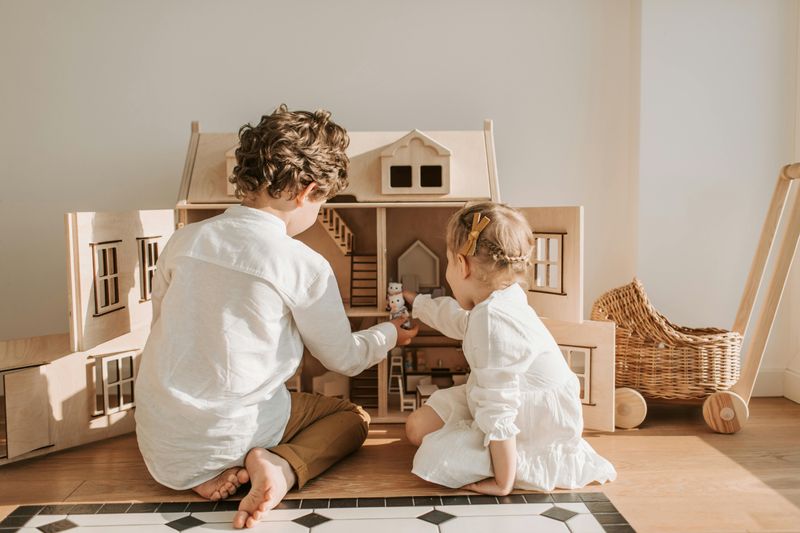
Before video games and tablets, kids in the 1960s created their own adventures using nothing but imagination.
Building forts from cardboard boxes, inventing elaborate outdoor games, and turning sticks into swords were everyday activities.
Boredom wasn’t something parents fixed; it was something you solved yourself.
This freedom sparked creativity that lasted a lifetime.
Kids learned to think inventively, tell stories, and find joy in simple things.
Without digital distractions pulling their attention every few seconds, they developed longer attention spans and deeper focus.
The lesson stuck: you don’t need expensive gadgets to have fun or feel fulfilled.
2. Independence Builds Confidence

Parents in the 1960s handed kids real responsibility long before modern standards would allow.
Walking to school alone at age seven, managing your own homework without reminders, and figuring out conflicts with friends without adult interference were normal expectations.
Nobody hovered or micromanaged every decision.
This trust built confidence that carried into adulthood.
Children learned they were capable of handling challenges, making choices, and living with outcomes.
Mistakes happened, but they weren’t treated as disasters requiring immediate parental rescue.
Self-reliance became second nature because kids practiced it daily from an incredibly young age.
3. Hard Work Isn’t Always Comfortable

Chores weren’t optional or rewarded with special praise in most 1960s households.
Kids washed dishes, mowed lawns, and helped with younger siblings because that’s what family members did.
The work was real, sometimes tedious, and nobody pretended it was supposed to be fun.
These expectations taught discipline and work ethic early on.
Children understood that contributing meant doing things you’d rather skip, and complaining wouldn’t make the tasks disappear.
Effort was simply part of life, not something requiring constant motivation or external rewards.
This mindset prepared them for adult responsibilities that demanded persistence regardless of mood or comfort level.
4. Nobody Rushes In to Save You

When you messed up in the 1960s, you dealt with the consequences yourself.
Forgot your lunch?
You went hungry until dinner.
Got in trouble at school?
Your parents likely sided with the teacher.
There were no emergency rescues, no excuse-making, and no one swooping in to fix everything immediately.
This approach built accountability from a young age.
Kids learned that their choices mattered and that they owned the outcomes, good or bad. It wasn’t harsh; it was reality.
The result was adults who understood personal responsibility and didn’t expect others to constantly bail them out of difficult situations.
5. Risk Must Be Judged, Not Avoided

Roaming the neighborhood until the streetlights came on was standard practice for 1960s kids.
They climbed trees, explored construction sites, and navigated their communities without GPS or parental tracking.
This freedom came with an important requirement: learning to assess danger and make smart decisions independently.
Children developed instincts about which situations felt safe and which didn’t.
They learned to trust their judgment, avoid genuinely risky scenarios, and handle unexpected problems.
These weren’t reckless kids; they were kids learning real-world awareness through experience.
That practical wisdom about evaluating risk served them throughout their entire lives.
6. Resilience Comes From Discomfort

Scraped knees, hurt feelings, and disappointments weren’t treated as emergencies in the 1960s.
Kids were expected to brush themselves off, handle discomfort, and keep going.
Parents offered comfort but didn’t shield children from every setback or negative emotion.
This approach built emotional toughness that lasted decades.
Children learned that feeling bad was temporary, that they could survive disappointment, and that bouncing back was within their control.
Struggles weren’t catastrophes; they were just part of growing up.
Adults who grew up this way developed the mental strength to handle life’s inevitable challenges without falling apart at the first sign of difficulty.
7. Failure Is A Teacher, Not A Threat

Striking out in Little League, failing a test, or botching a school project weren’t treated as tragedies.
Parents and teachers in the 1960s expected kids to fail sometimes, learn from it, and try again.
There was no excessive hand-wringing or grade inflation to protect fragile egos.
This attitude normalized failure as a teaching tool rather than something shameful.
Kids understood that getting things wrong was how you figured out how to get them right.
Persistence mattered more than immediate success.
Growing up with this mindset created adults comfortable taking risks, trying new things, and viewing mistakes as valuable information rather than personal disasters.
8. Patience Is Learned By Waiting

Everything took longer in the 1960s, and kids learned to wait without complaining.
Saving allowance for weeks to buy a toy, waiting your turn for the one family phone, and sitting through boring car rides without entertainment taught self-control from early childhood.
Instant gratification simply wasn’t an option.
This constant practice in delayed gratification built discipline that modern conveniences have largely eliminated.
Children understood that wanting something didn’t mean getting it immediately, and that waiting made the reward more meaningful.
Adults raised this way developed patience and self-control that helped them manage money, relationships, and long-term goals throughout life.
9. Resourcefulness Beats Convenience
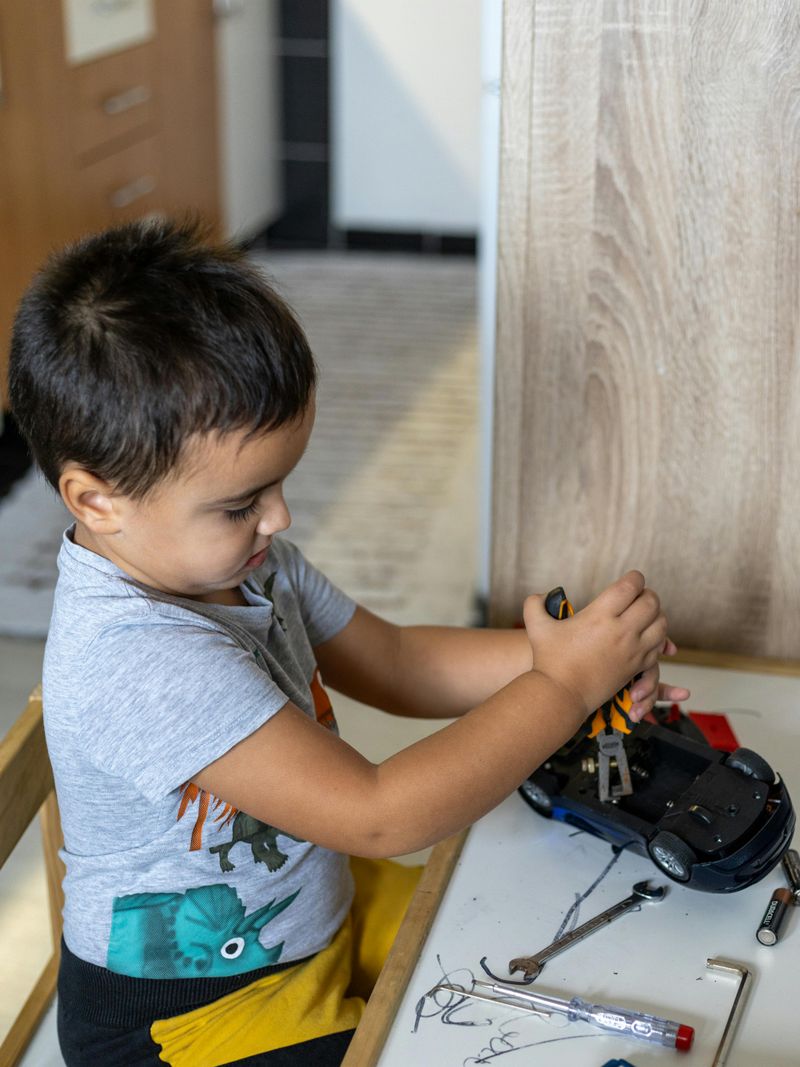
With fewer options and limited conveniences, 1960s kids learned to make do with what they had.
Fixing broken toys instead of replacing them, repurposing household items for play, and solving problems creatively were everyday necessities.
Running to the store for every need wasn’t practical or encouraged.
This scarcity mindset fostered incredible ingenuity.
Children became skilled at improvising, repairing, and finding alternative solutions when the obvious answer wasn’t available.
They learned that limitations sparked creativity rather than stopped progress.
That resourcefulness became a lifelong strength, helping them navigate challenges and find solutions others might overlook completely.
Comments
Loading…