
 Isabel Parker
History shapes people in profound ways.
Those who grew up during wars, economic crashes, pandemics, or social upheavals often carry invisible marks that influence how they see the world.
Psychologists have discovered that these shared experiences create patterns—specific traits that emerge across different generations who faced similar challenges.
1. Adaptive Flexibility

Growing up when everything feels unstable teaches you to expect the unexpected.
Kids who lived through major disruptions learned early that plans can crumble overnight, so they developed mental muscles for quick adjustments.
Instead of panicking when circumstances shift, they naturally scan for alternatives and stay surprisingly calm.
This skill becomes second nature over time.
Someone raised during wartime rationing might effortlessly pivot career paths when industries collapse decades later.
Their brains got wired for change when stability was a luxury they couldn’t count on.
The ability to bend without breaking becomes their superpower in adult life, helping them navigate everything from relationship challenges to workplace upheavals with remarkable grace.
2. Resource Creativity

When you grow up with less, you learn to make more from nothing. Children during the Great Depression turned cardboard into toys and flour sacks into clothing.
That kind of scarcity breeds innovation that lasts a lifetime.
These individuals see possibilities where others see dead ends.
A broken appliance becomes a parts collection. Leftovers transform into gourmet meals.
They approach problems sideways, asking “what can I use instead?” rather than “what do I lack?”
This mindset extends beyond physical resources.
They repurpose ideas, combine unrelated concepts, and find workarounds that never occurred to people raised with abundance.
Necessity truly became their greatest teacher, and they never forgot those lessons.
3. Pragmatic Optimism
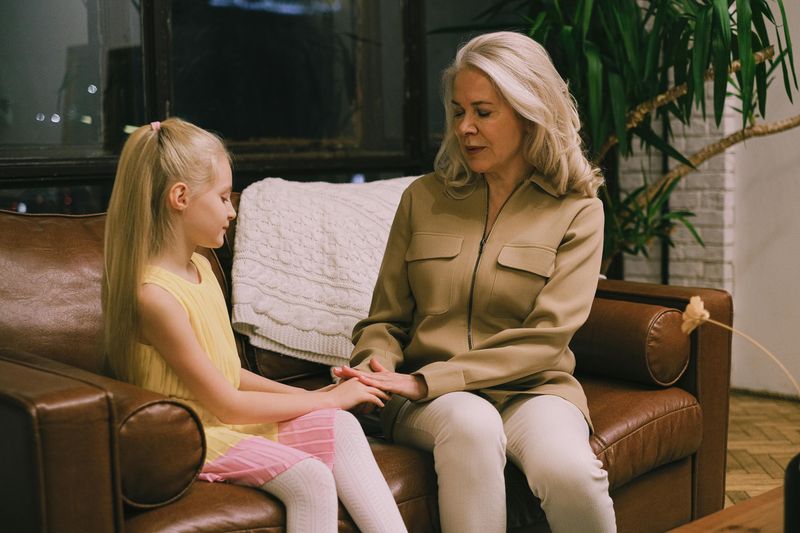
Blind positivity crumbles when bombs fall or economies collapse.
What emerges instead is something tougher—hope tempered by reality.
People who survived actual catastrophes know the difference between wishful thinking and earned confidence.
They acknowledge hardship without drowning in it.
A pandemic survivor might say, “This is terrible, and we’ll figure it out,” holding both truths simultaneously.
Their optimism comes from lived proof that humans endure, not from denying pain exists.
This balanced outlook prevents both despair and recklessness.
They prepare for worst-case scenarios while believing in better outcomes, creating safety nets while taking calculated risks.
Their hope feels solid because it survived real testing.
4. Meaning-Making Ability

Trauma without context can crush you.
But weaving hardship into a larger story gives it purpose, transforming suffering into something bearable. Psychologists call this narrative processing, and historical survivors become experts at it.
A child who lived through civil rights struggles might frame their experience as contributing to justice, not just enduring hatred.
That reframing doesn’t erase pain but places it within meaningful progress.
The event becomes a chapter, not the whole book.
This skill protects mental health across decades.
When new challenges arise, they instinctively ask, “What can I learn from this?” or “How does this fit my journey?”
Adversity becomes data rather than destiny, processed and integrated instead of suppressed.
5. Temporal Perspective

When you’ve watched history unfold firsthand, you understand that crises have beginnings, middles, and ends.
Current disasters feel less apocalyptic because you’ve seen humanity recover before.
This long view provides emotional insulation that others lack.
Someone who lived through the Cold War remembers when nuclear war seemed inevitable—yet here we stand.
They recognize patterns: panic, adaptation, eventual normalcy.
Today’s emergency becomes tomorrow’s history lesson, painful but survivable.
This perspective prevents catastrophizing.
While others doomscroll, they remember previous “ends of the world” that weren’t.
They take threats seriously without losing faith in eventual recovery, understanding that time itself is a healing force.
6. Collective Consciousness
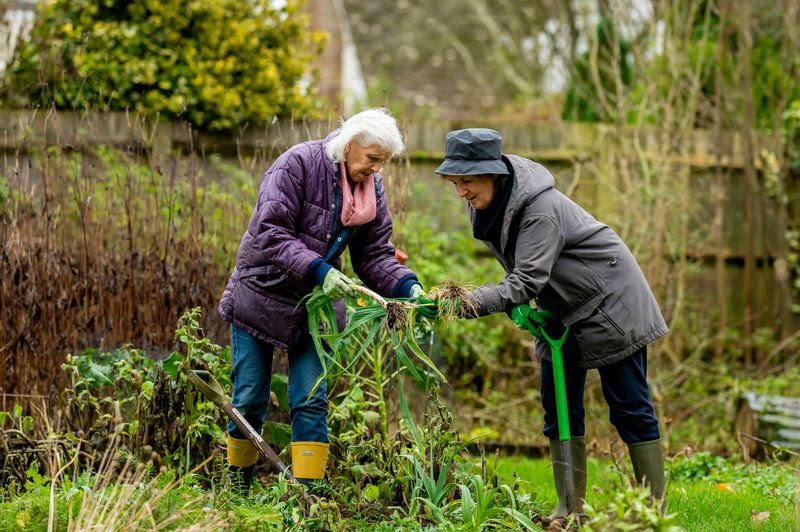
Shared suffering creates invisible bonds.
People who endured rationing, blackouts, or lockdowns together developed a deep sense of communal experience.
They remember neighbors helping neighbors, strangers becoming allies, and the power of collective action.
This awareness shapes how they approach problems.
Instead of rugged individualism, they instinctively think “we” rather than “me.”
They organize, collaborate, and seek group solutions because they’ve witnessed community resilience in action.
The trait manifests as heightened empathy and social responsibility.
They volunteer more, check on neighbors, and contribute to causes because they remember when someone did the same for them.
Isolation feels unnatural; connection feels essential.
7. Systemic Thinking
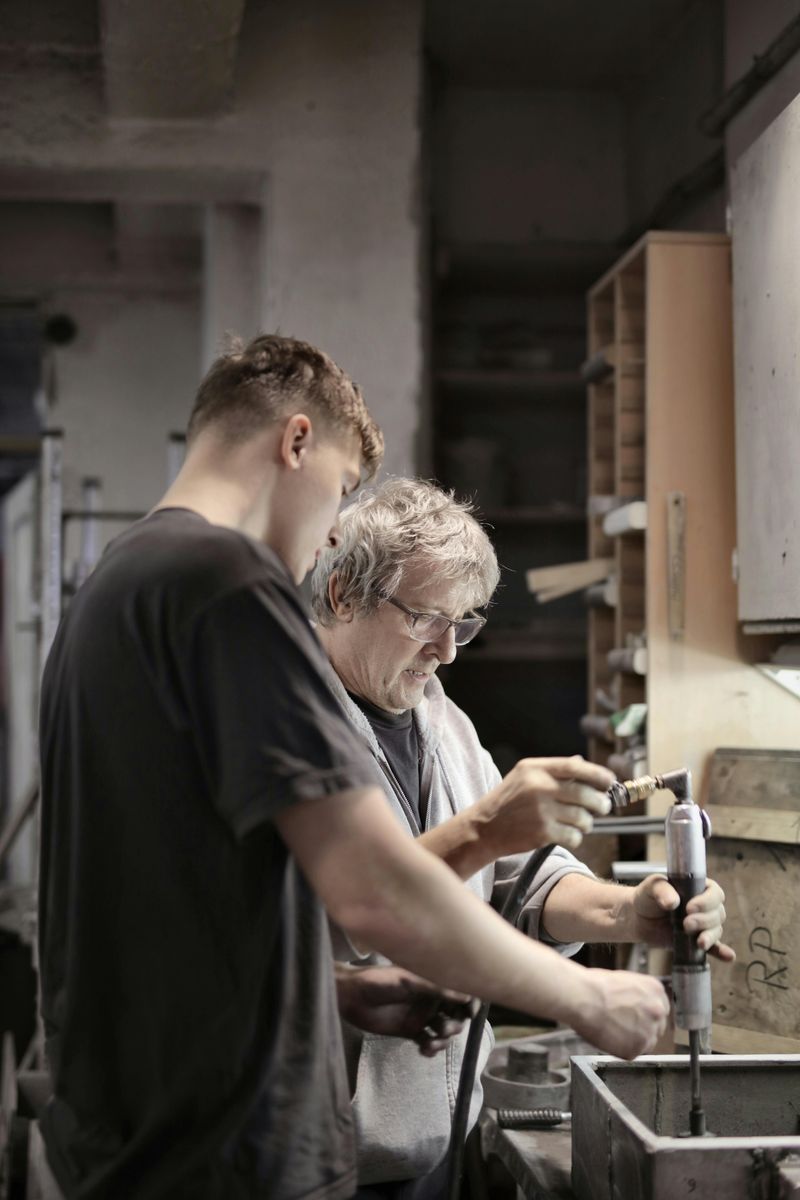
Living through major events reveals how everything connects.
A child during the 2008 financial crisis learned that housing markets, employment, and family stress aren’t separate issues—they’re interwoven.
This early education in cause-and-effect creates lifelong pattern recognition.
These individuals see beyond surface explanations.
They ask why systems failed, not just who to blame.
A pandemic teaches them about supply chains, healthcare infrastructure, and policy consequences.
Personal experience becomes a masterclass in interconnected systems.
This thinking prevents simplistic solutions.
They understand that fixing one part without addressing root causes just shifts problems elsewhere.
Their decisions consider ripple effects, making them valuable strategists in business, politics, and community planning.
Comments
Loading…