
 Jade Reed
Most kids test limits, say things they don’t mean, and go through phases that look rough from the outside, especially when they’re tired, overwhelmed, or trying to figure out where they fit.
Still, people who’ve lived through certain patterns—parents, teachers, former classmates, even grown siblings—often say there are a few behaviors that feel different from ordinary childhood mischief.
The difference is usually consistency: the same troubling habit shows up again and again, across settings, and doesn’t improve with clear expectations or real consequences.
None of these signs guarantee a child will grow up to be a terrible adult, and plenty of children turn things around with structure, support, and the right guidance.
But if several of these red flags cluster together and persist over time, many people say it’s worth paying closer attention sooner rather than later.
1. No real remorse after hurting someone

Picture a kid who steps on someone’s feelings and barely blinks.
You ask for an apology, and what comes out feels hollow, like a script read to dodge trouble.
The tone is flat, the eyes wander, and the hurt person’s experience is minimized.
Patterns matter more than one bad day.
When harm is dismissed with I do not care or They deserved it, you see a belief forming that pain is negotiable.
That belief grows roots if adults reward compliance over compassion.
You can coach empathy, but it takes repetition and modeling.
Encourage a pause, a name for the feeling, and a repair that costs something meaningful.
Real remorse shows up in changed behavior, not perfect words.
2. Cruelty for entertainment
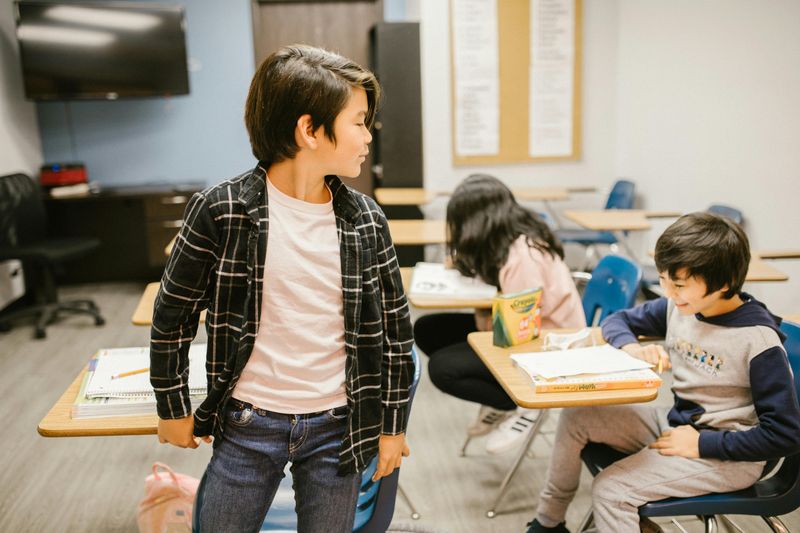
Some kids laugh hardest when someone else breaks.
They poke, prod, and set emotional traps because the meltdown is the show.
The thrill is not winning a game, it is witnessing pain.
This is not a one time slip.
It repeats, sometimes escalating when attention fades, because the reaction is the reward.
If humiliation becomes a hobby, empathy shrinks and cruelty feels normal.
Intervene by removing the audience and reinforcing pro social thrills.
Celebrate kindness that lands, not just rule following.
Teach better ways to seek stimulation and power, and make repair non negotiable.
3. Frequent lying with confidence (and no guilt)

Watch for lies that roll out smooth as velvet.
The story shifts on demand, eye contact holds steady, and there is no flinch when confronted with facts.
Sometimes the truth would have been easier, but the lie offers control.
Blame lands on anyone nearby.
Details rearrange, and consequences slide off because the performance is convincing.
Over time, trust erodes, and relationships turn into negotiations.
Respond with calm certainty, not debates about minutiae.
Tie privileges to credibility, praise honesty even when it stings, and show that repair rebuilds trust.
Consistency teaches that integrity pays better than performance.
4. Manipulative charm: “sweet” in public, nasty in private

There is public sweetness that dazzles.
Teachers gush, neighbors adore, and the child delivers perfect manners on cue.
At home, though, the mask slips and control takes the wheel.
What looks like maturity is often performance.
Goodness turns on when it pays, off when no one is scoring points.
The gap between public praise and private fear is the giveaway.
Close the gap by aligning incentives with integrity.
Use consistent boundaries across settings, invite teachers to notice patterns, and document specifics.
The goal is not exposure, it is helping the child value kindness when nobody is watching.
5. Enjoys having power over people

Some kids relax only when they run the room.
They boss, threaten, and orchestrate games so they always sit on top.
Calm arrives when everyone else falls in line.
Targets are often younger or shy peers.
When adults look away, dominance ramps up and rules bend.
Control becomes the currency, and relationships feel like ladders to climb.
Channel that leadership without crushing others.
Give structured roles, cooperative goals, and feedback that links power to protection.
Teach that real authority earns trust and keeps people safe, not scared.
6. Constant boundary-testing with zero respect for “stop”

Boundaries land like suggestions instead of rules.
You say stop, and the poking, grabbing, or teasing resumes as if the word is a puzzle to beat.
Personal space becomes a battleground.
The pattern is the point.
When stop is treated like a dare, empathy and impulse control are sidelined.
That mindset scales into dating, work, and friendships if left unchecked.
Practice consent like a daily language lesson.
Model asking, waiting, and accepting no without debate.
Reinforce with quick, predictable consequences and praise that sticks when respect shows up.
7. Habitual bullying + scapegoating
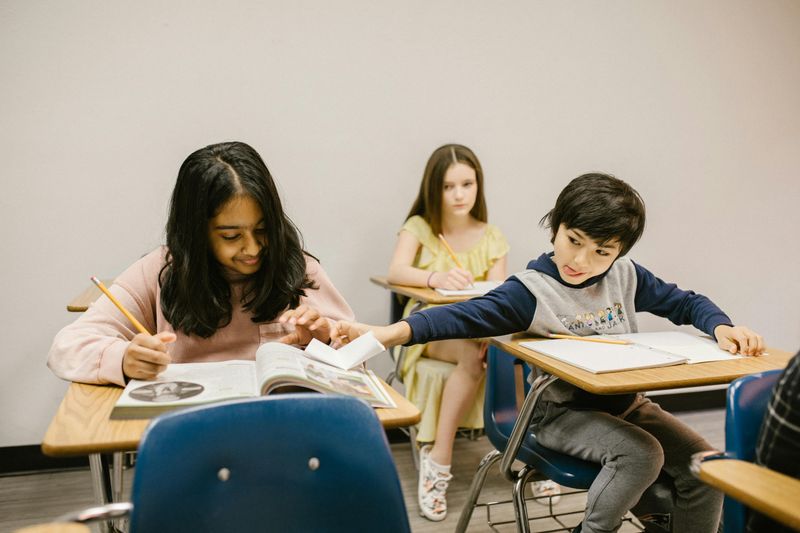
Bullying turns into a strategy, not a slip.
One kid becomes the project, and alliances form to isolate them.
It is us versus them, with whispers, rumors, and social traps.
When called out, the script flips.
Suddenly the bully is the brave victim, and the target is the problem.
Adults get spun, and accountability evaporates.
Break the triangle with clarity and documentation.
Separate kids, talk in specifics, and protect the target first.
Then rebuild norms that reward honesty, repair, and community courage.
Comments
Loading…