
 Hailey Watson
Most parents are not trying to be perfect, but many are trying to be decent.
Decency shows up in the small, repeatable choices you make when nobody is clapping for you.
It is the way you respond after a hard day, the tone you use when you are frustrated, and the repair you attempt when you get it wrong.
Kids do not need a flawless adult who never slips, because that is not real life and it is not a realistic model to follow.
They need someone who is steady enough to guide them, humble enough to learn, and kind enough to protect their dignity while teaching them how to live with others.
The good news is that decent parenting is built from simple habits you can practice starting today.
These seven are not trendy hacks or impossible standards, but reliable behaviors that help kids feel safe, seen, and supported.
1. Apologize When You Mess Up

Repair matters more than pride when you are raising a child who is watching everything you do.
A thoughtful apology teaches your kid that love does not disappear when someone makes a mistake.
When you say you were wrong, you show them that accountability is a strength instead of a humiliation.
You do not have to write a dramatic speech, but you do need to name what happened and why it was not okay.
Try language like, “I snapped because I was stressed, but that tone was unfair to you,” and then pause long enough for it to land.
If you can, add what you will do differently next time so it feels like real change, not just guilt.
Over time, this habit builds trust, because your child learns that conflict can end in honesty and care.
2. Keep Boundaries Calm and Consistent

Kids relax when the rules are predictable, even when they complain about them in the moment.
Consistency is not about being strict, but about creating a home where expectations do not change based on your mood.
When boundaries are calm, your child can focus on learning the lesson instead of managing your emotional reaction.
Clear limits work best when they are simple, stated ahead of time, and connected to a consequence you can actually follow through on.
Instead of threatening ten different punishments, choose one reasonable outcome and stick with it, because empty threats teach kids to ignore you.
It also helps to explain the “why” briefly, so your child hears that the rule is about safety, respect, or health.
Steady boundaries become a form of security, because they show your kid you are paying attention and willing to lead.
3. Listen to Understand, Not to Win

Real listening is a parenting superpower because it turns a power struggle into a conversation.
When your child feels heard, they are more likely to tell you what is actually going on instead of what they think will avoid punishment.
This does not mean you agree with everything they say, but it does mean you are curious before you are corrective.
Ask questions that invite detail, like, “What part upset you most,” or, “What do you wish I understood about today.”
Try not to interrupt with solutions too early, because most kids want connection first and advice second.
If you feel yourself getting defensive, take a breath and repeat back what you heard, so your child knows you are tracking.
Over time, this habit builds a relationship where your kid sees you as a safe person, not a judge waiting to deliver a verdict.
4. Notice and Name the Good Out Loud

The fastest way to grow good behavior is to give it attention while it is happening.
Many parents notice what is wrong because they are tired and trying to keep the day from falling apart, which is understandable.
Still, kids also need you to notice effort, kindness, and self-control, especially when those things are quiet and easy to miss.
Specific praise works better than generic compliments, because it tells your child exactly what to repeat next time.
Say, “You kept trying even when that homework was frustrating,” or, “I saw you include your sister even though you wanted space.”
This is not about constant cheering or pretending everything is amazing, but about balancing correction with recognition.
When kids feel seen for the good, they are less likely to act out just to get noticed.
5. Regulate Your Own Emotions First

Your child learns what feelings mean by watching how you handle yours under pressure.
If you explode, they learn that big emotions are scary and unpredictable, and they may copy that pattern later.
If you pause, breathe, and speak with control, they learn that feelings can be managed without shame or chaos.
Self-regulation can look like taking a moment before responding, lowering your voice on purpose, or saying, “I need a minute to calm down.”
This is not the same as ignoring behavior, because you can still hold a boundary after you reset.
It also helps to name your state in simple terms, so your kid understands you are human and responsible for yourself.
When you model calm recovery, you give your child a blueprint for handling stress that will serve them for life.
6. Make Small Deposits of Connection Every Day

The strongest parent-child relationships are built in ordinary moments, not only during big talks.
When connection is frequent, discipline feels less like rejection and more like guidance from someone who cares.
Daily “deposits” can be small, like a ten-minute check-in, a silly ritual, a shared snack, or a quick game before bed.
What matters is that the moment is attentive, because kids can tell when you are half-present and scrolling.
Even teenagers who roll their eyes often crave low-pressure togetherness that does not turn into a lecture.
If your household is busy, look for natural pockets, like the car ride, the walk to school, or cooking dinner side by side.
These small touches build emotional safety, so when something serious happens, your child already trusts you enough to come close.
7. Correct Behavior Without Shaming the Child
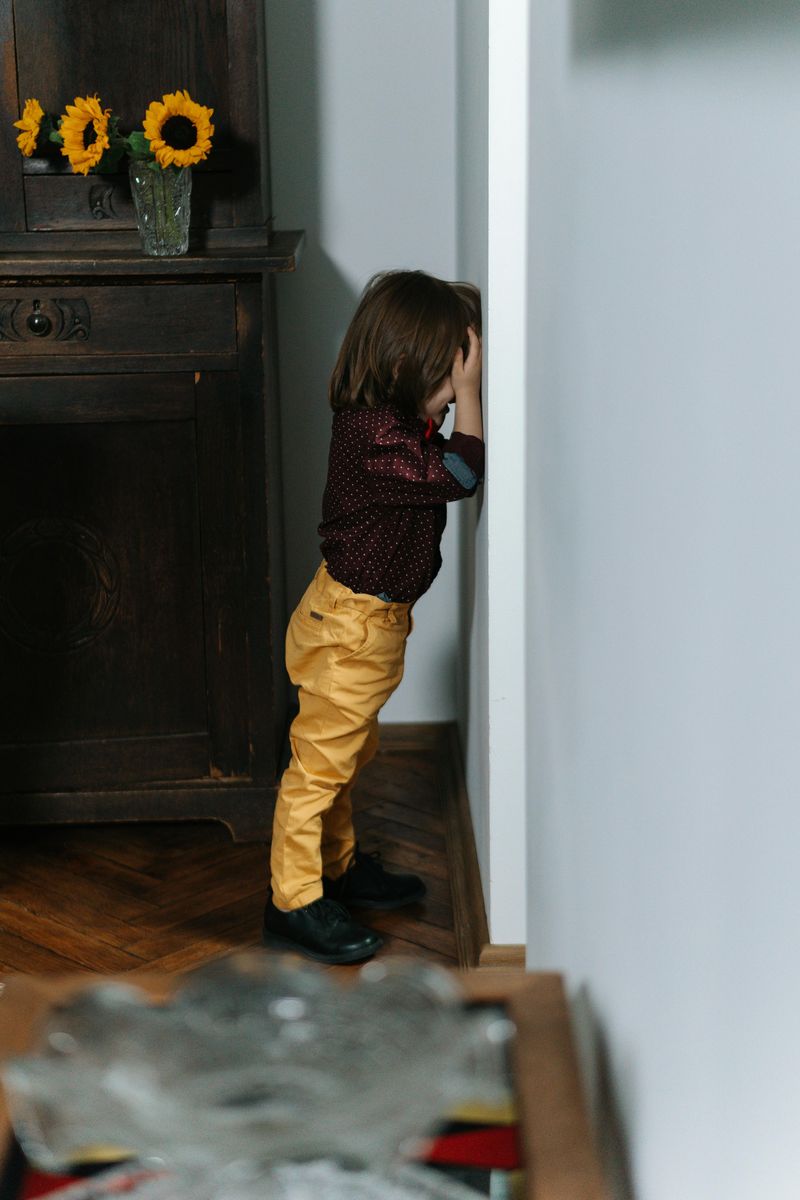
Discipline works best when it protects a child’s dignity while still holding them accountable.
Shame-based talk may silence a kid in the moment, but it often leaves a lasting sting that becomes resentment or secrecy.
A decent approach separates the action from the person, so your child understands they made a wrong choice, not that they are a bad kid.
Use language like, “That was not okay,” or, “We do not speak to people like that,” and then focus on what to do instead.
It helps to stay concrete about the behavior and the impact, because vague insults create confusion and defensiveness.
After the consequence, look for a repair step, such as apologizing, replacing what was damaged, or trying again with better words.
When correction is firm but respectful, your child learns responsibility without losing their sense of being loved.
Comments
Loading…