
 Hailey Watson
13 Early Signs a Child May Develop Harmful Personality Traits

Parents often wonder if certain behaviors in childhood are just phases or signs of something more serious. Recognizing early warning signs can help caregivers guide children toward healthier emotional development.
Understanding these patterns empowers families to seek support when needed and foster positive growth in their little ones.
1. Lack of Empathy Toward Others
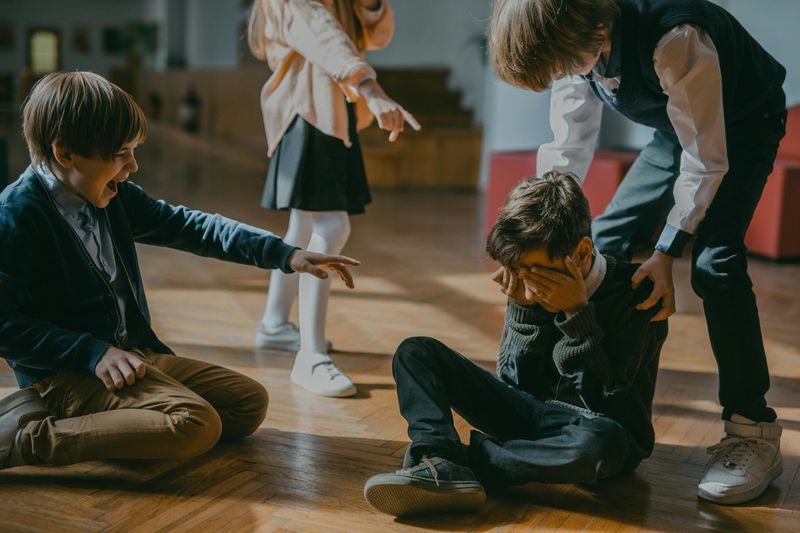
When children consistently ignore the feelings of those around them, it raises concerns.
A youngster who laughs when someone gets hurt or shows no remorse after causing harm might struggle with emotional connection.
Empathy develops gradually, but by age four or five, most kids begin understanding others’ emotions.
If your child seems indifferent to tears, pain, or distress in siblings, friends, or pets, professional guidance might help.
Teaching perspective-taking through stories and conversations can build this crucial skill.
Early intervention makes a significant difference in helping children learn to care about how their actions affect others.
2. Persistent Lying Without Remorse

All kids tell fibs occasionally, testing boundaries and avoiding consequences.
However, chronic dishonesty accompanied by zero guilt signals a deeper problem.
Children who lie effortlessly, even when caught red-handed, and show no shame afterward may be developing troubling patterns.
They might fabricate elaborate stories, blame others constantly, or manipulate situations to their advantage.
Notice whether your child seems bothered when their lies are exposed.
Genuine remorse and willingness to make amends indicate healthy conscience development.
Without these responses, parents should consider consulting a child psychologist to address the behavior before it becomes ingrained.
3. Cruelty to Animals

Harming animals deliberately is among the most serious red flags in childhood behavior.
Toddlers might accidentally be rough, but older children understand that animals feel pain.
A youngster who purposefully hurts pets, torments insects beyond normal curiosity, or enjoys watching creatures suffer needs immediate attention.
This behavior often escalates and can indicate emerging antisocial tendencies.
Research links childhood animal cruelty to later violence toward people.
Parents witnessing this pattern should seek professional evaluation promptly.
Therapy can help children develop compassion and understand the value of all living beings before harmful patterns solidify.
4. Inability to Accept Responsibility

Blaming everyone else becomes a lifestyle for some children.
They never admit mistakes, always pointing fingers at siblings, classmates, or circumstances beyond their control.
This deflection prevents them from learning from errors and growing emotionally.
Kids who constantly play the victim or make excuses struggle to develop accountability, a cornerstone of healthy relationships.
Around age six, children should begin acknowledging their role in problems.
If your youngster insists everything bad happens to them unfairly, work on building ownership through small, manageable situations.
Celebrating honest admissions of mistakes reinforces that taking responsibility is safe and respected.
5. Manipulative Behavior Patterns

Some children become masters at getting their way through deception and emotional manipulation.
They pit parents against each other, fake emotions to gain sympathy, or use charm strategically.
While negotiation skills are healthy, calculated manipulation crosses a line.
These youngsters might cry on cue, tell different stories to different adults, or exploit others’ weaknesses without genuine feeling.
Parents often feel confused or guilty when dealing with highly manipulative children.
Trust your instincts if interactions feel like emotional chess games.
Setting firm boundaries and maintaining consistent communication between caregivers helps reduce opportunities for manipulation while teaching more honest interaction styles.
6. Extreme Control Issues
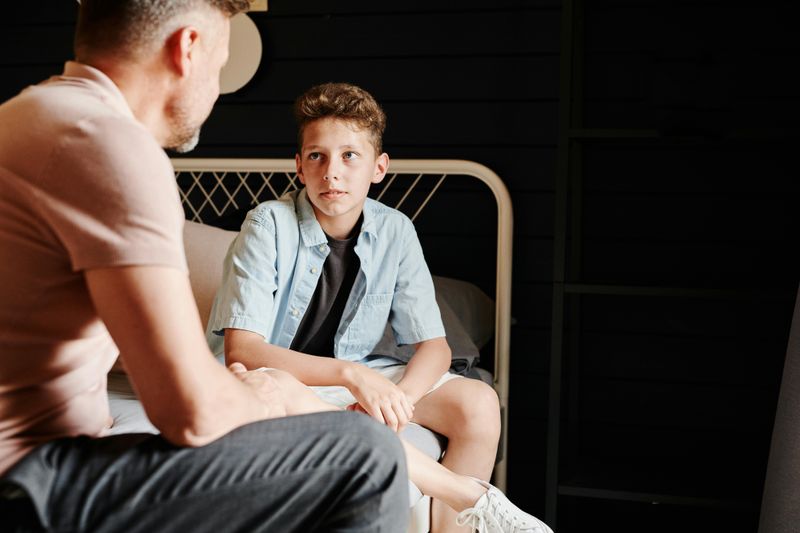
Wanting things a certain way is normal, but some children take control to unhealthy extremes.
They melt down when minor details change, demand complete authority over playmates, or become aggressive when challenged.
These kids struggle in group settings because they cannot tolerate others having input.
Their need for dominance damages friendships and creates constant family tension.
Control often masks anxiety or insecurity, so understanding the root cause matters.
Therapy can help children learn flexibility and cooperation.
Teaching them that sharing control strengthens relationships rather than weakens their position provides an important life lesson for future interactions.
7. Callousness Toward Punishment

Consequences mean nothing to certain children.
Time-outs, lost privileges, or stern discussions roll off them like water off a duck’s back.
They seem unbothered by disappointing parents or facing discipline.
This emotional detachment makes traditional parenting strategies ineffective and leaves caregivers feeling helpless.
Kids who show no response to reasonable consequences may have neurological differences affecting how they process rewards and punishments.
Professional assessment can identify underlying issues and suggest alternative approaches.
Early identification and specialized strategies can help these children develop better self-regulation despite their neurological wiring, preventing escalation into more serious behavioral problems.
8. Bullying Younger or Weaker Children
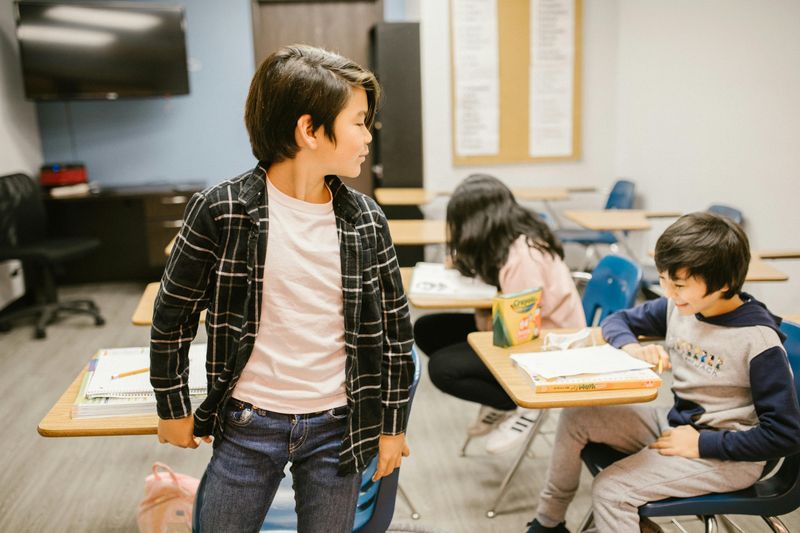
Targeting those who cannot fight back reveals concerning character development.
Children who consistently pick on younger siblings, smaller classmates, or vulnerable peers demonstrate troubling power dynamics.
This behavior differs from normal sibling rivalry or playground conflicts.
Systematic intimidation, physical aggression, or emotional torment directed at those with less power requires immediate intervention.
Bullies often have their own pain or insecurity driving the behavior, but that does not excuse the harm caused.
Parents must address this firmly while exploring what makes their child seek dominance over others.
Teaching kindness, building genuine confidence, and ensuring accountability helps redirect these destructive patterns.
9. Excessive Charm and Superficiality

Children who seem too smooth, overly polished, or artificially charming may be masking emotional shallowness.
They know exactly what adults want to hear and deliver perfect performances.
Behind the dazzling smile and polite words, genuine connection feels absent.
These youngsters form shallow relationships, discarding friends easily and showing little authentic emotion.
While good manners deserve praise, watch for sincerity behind the behavior.
Does your child show real feelings at home, or is everything a performance?
Encouraging authentic expression and valuing honesty over perfection helps children develop genuine emotional depth rather than just social polish that hides emptiness underneath.
10. Destruction of Property

Breaking things happens accidentally in childhood, but deliberate destruction tells a different story.
Children who purposefully damage belongings, vandalize property, or wreck others’ possessions display alarming disregard.
This behavior often escalates from their own toys to family items to others’ property.
The intentional nature and lack of care about consequences separate this from normal childhood clumsiness.
Anger management issues, impulse control problems, or deeper psychological concerns might fuel destructive behavior.
Professional evaluation helps identify causes and develop appropriate interventions.
Teaching children to channel frustration constructively and respect property rights prevents this pattern from continuing into adolescence and adulthood.
11. Grandiose Sense of Self-Importance

Confidence is wonderful, but some children develop inflated self-perception that damages relationships.
They believe rules do not apply to them, demand special treatment constantly, and dismiss others as inferior.
These youngsters interrupt conversations, dominate activities, and throw tantrums when not centered.
Their exaggerated sense of entitlement creates social problems and prevents genuine friendships.
Healthy self-esteem differs dramatically from narcissistic grandiosity.
Children need balanced perspectives recognizing their worth while respecting others equally.
Parents can model humility, enforce equal treatment, and gently challenge unrealistic self-assessments.
Building genuine accomplishments rather than empty praise develops authentic confidence without the toxic superiority complex.
12. Fire Setting or Dangerous Risk-Taking
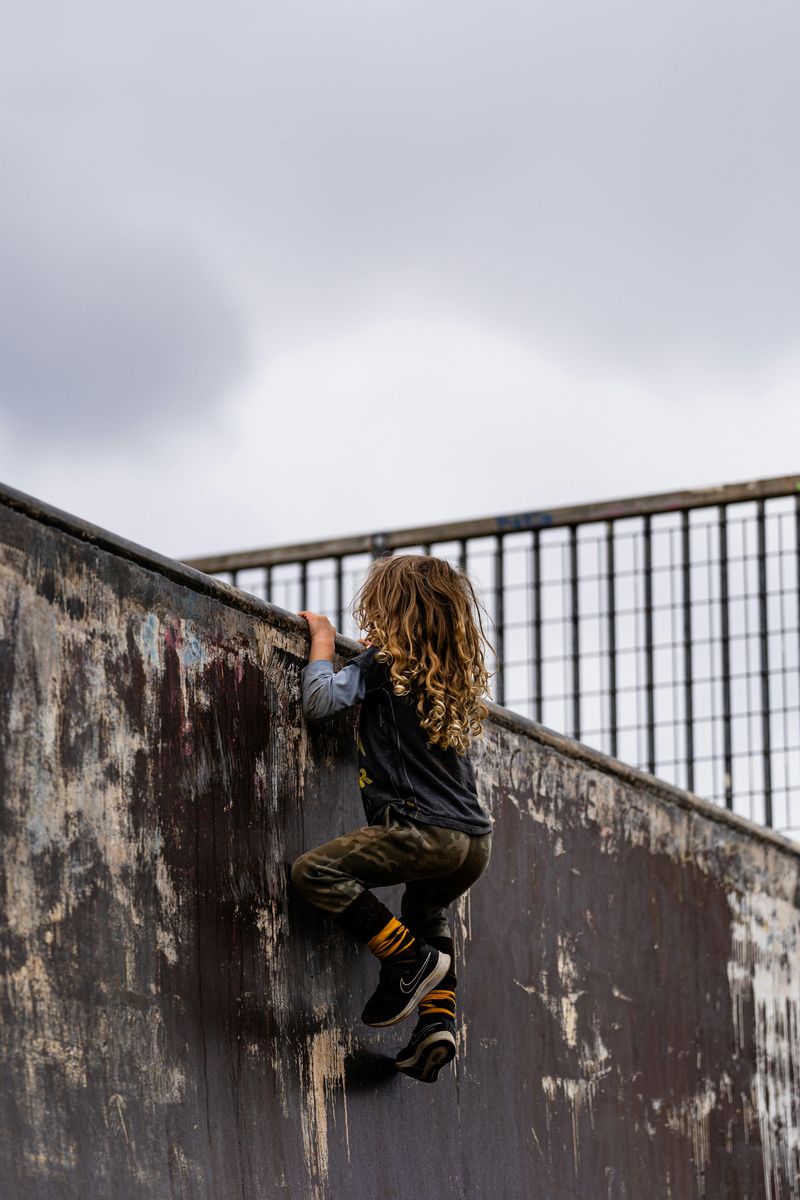
Fascination with fire extends beyond normal curiosity for some children.
Those who repeatedly start fires, play with matches despite warnings, or create dangerous situations show serious behavioral concerns.
Similarly, kids who take extreme risks without considering consequences may lack normal fear responses or impulse control.
Jumping from heights, running into traffic, or engaging in reckless activities repeatedly signals problems.
These behaviors require immediate professional attention due to safety risks and what they indicate about brain development or psychological issues.
Neurological assessments and therapy can address underlying causes while keeping everyone safe during treatment and recovery.
13. Persistent Defiance and Hostility

Opposition defines some children’s entire interaction style.
They argue about everything, refuse reasonable requests automatically, and show constant anger toward authority figures.
While testing limits is developmentally normal, persistent hostility that disrupts daily functioning crosses into concerning territory.
These youngsters seem to enjoy conflict and resist cooperation reflexively.
Oppositional defiant disorder or other conditions might explain this pattern.
Without intervention, hostile defiance often worsens through adolescence.
Therapeutic approaches teaching emotion regulation, communication skills, and conflict resolution can redirect these children toward healthier interaction patterns.
Patience and professional support help families navigate this challenging behavior while maintaining necessary boundaries and structure.
Comments
Loading…