
 Hailey Watson
12 Things to Practice If You Want to Be a Better Parent
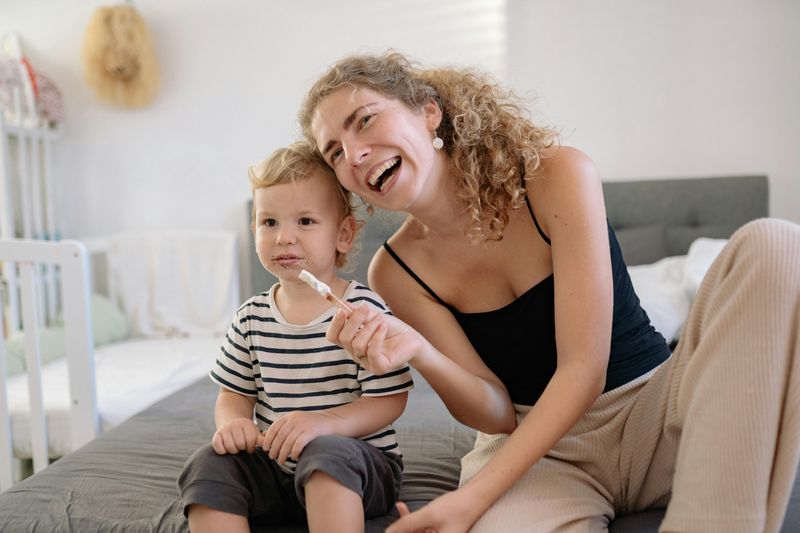
Parenting is one of the most rewarding—and challenging—roles you’ll ever take on. Each day brings new opportunities to connect with your children, support their growth, and create a loving, secure home environment.
While there’s no perfect formula or one-size-fits-all approach, the choices you make consistently can have a powerful impact. By practicing certain habits with intention and care, you can strengthen your relationship with your kids, foster trust and confidence, and help them thrive emotionally and mentally as they grow.
1. Active Listening Without Interrupting
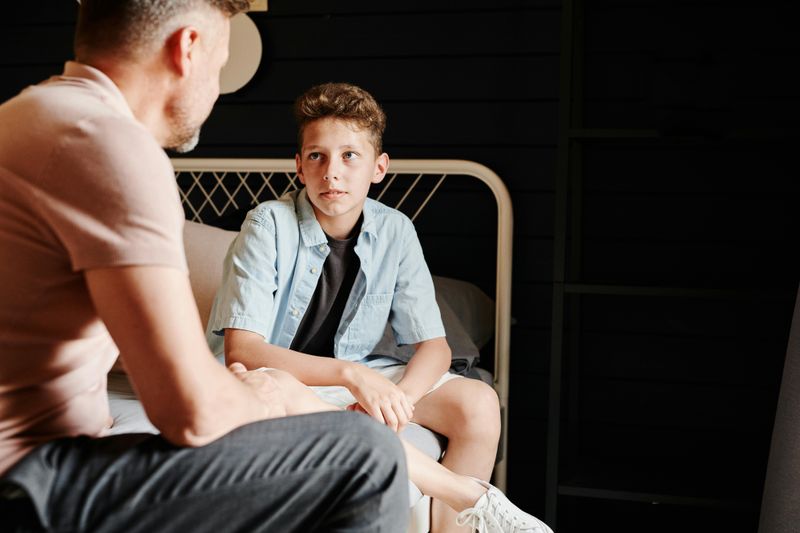
Your child comes home bursting with stories from school, eager to share every detail.
Instead of half-listening while checking your phone, try giving them your full attention.
Put down whatever you’re doing, make eye contact, and really hear what they’re saying.
Kids notice when you’re truly present versus just going through the motions.
Active listening builds trust and shows your children that their thoughts and feelings matter.
When they feel heard, they’re more likely to open up about bigger issues later.
Practice nodding, asking follow-up questions, and resisting the urge to jump in with solutions right away.
2. Setting Clear and Consistent Boundaries

Boundaries aren’t about being strict or mean—they’re about creating a safe framework where kids understand what’s expected.
Children actually feel more secure when they know the rules and can predict consequences.
Consistency is key here.
If bedtime is 8:30 on weekdays, stick to it even when you’re tired or tempted to let things slide.
Mixed messages confuse kids and make them test limits more often.
Write down family rules together and post them where everyone can see.
When boundaries are clear and enforced fairly, kids learn self-discipline and respect for structure that will serve them throughout life.
3. Practicing Patience During Tantrums
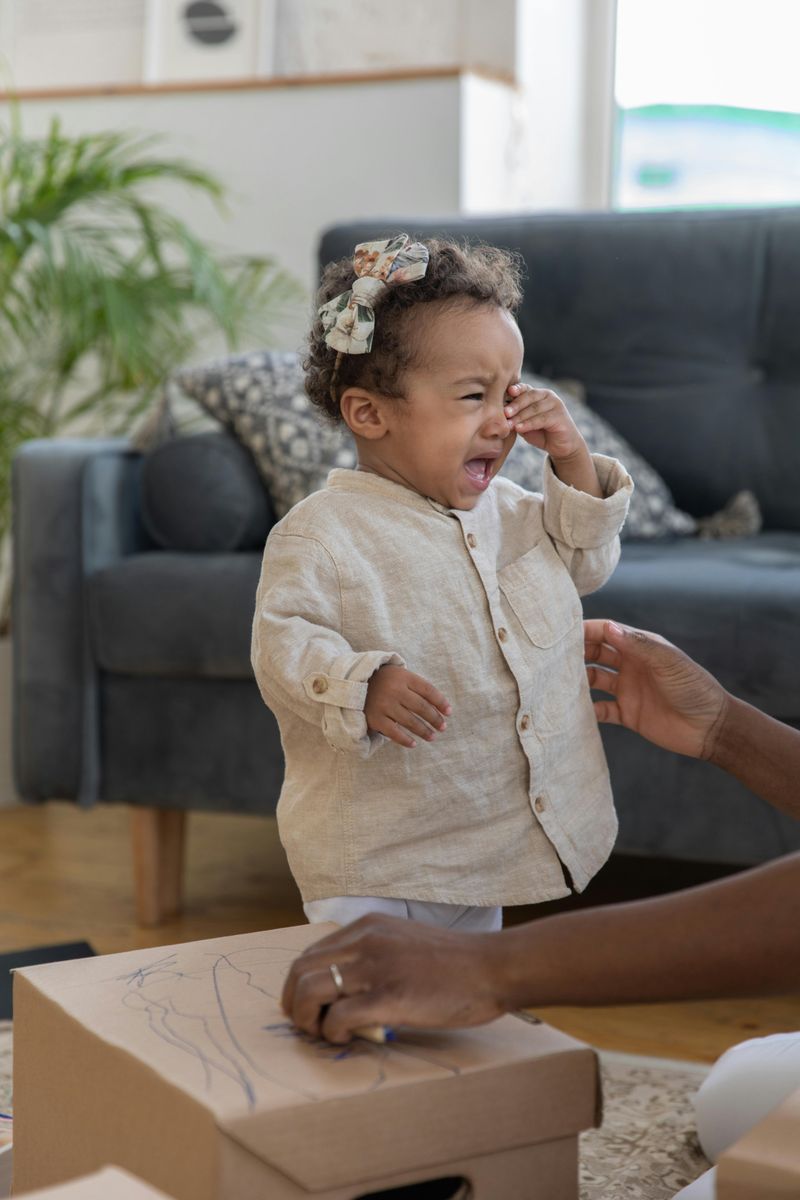
Meltdowns happen, whether your child is three or thirteen.
That moment when your kid is screaming in the grocery store or slamming doors in frustration can test every ounce of your patience.
Taking a deep breath before reacting can completely change the outcome.
Remember that tantrums are often a child’s way of expressing feelings they don’t yet have words for.
Responding with calmness rather than matching their intensity teaches emotional regulation.
Try counting to ten, stepping back if you need a moment, or using a calm voice to acknowledge their feelings.
Your patient response becomes their model for handling big emotions in the future.
4. Making Time for One-on-One Connection
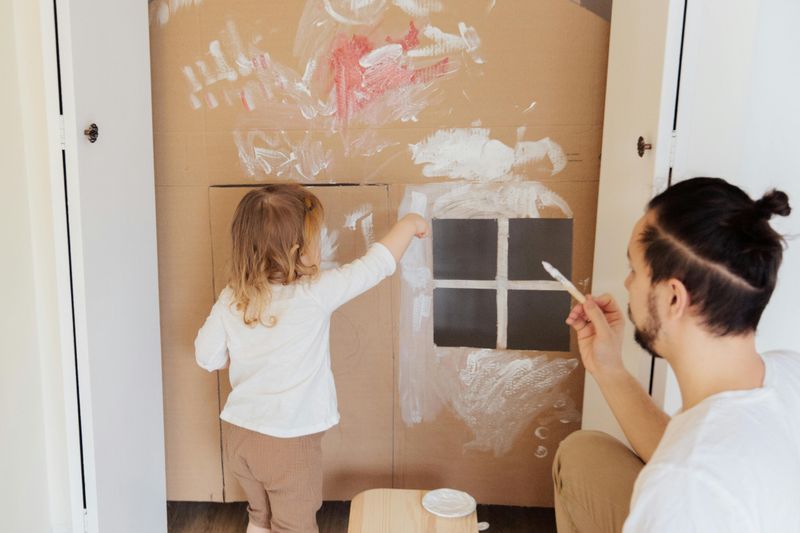
Between work, household chores, and shuttling kids to activities, quality time often gets squeezed out.
Yet those moments of undivided attention are what kids remember most.
Set aside even fifteen minutes daily for each child individually.
This could be reading together before bed, shooting hoops in the driveway, or simply chatting during a walk around the block.
No phones, no distractions—just you and them.
These connections strengthen your bond and give kids a safe space to share what’s really going on in their lives.
Regular one-on-one time shows each child they’re valued as an individual, not just part of the family unit.
5. Modeling the Behavior You Want to See

Ever notice how kids pick up your habits, both good and bad?
If you’re constantly on your phone, they’ll prioritize screens too.
If you handle frustration by yelling, guess how they’ll react when upset?
Children learn more from watching what you do than from hearing what you say.
Want them to be kind?
Show kindness to others, including them.
Want them to read more?
Let them catch you reading for pleasure.
Be mindful of your own behavior, especially during stressful moments.
Apologize when you mess up, demonstrate good manners, and show respect in your relationships.
You’re their first and most influential teacher.
6. Encouraging Independence Appropriate to Their Age
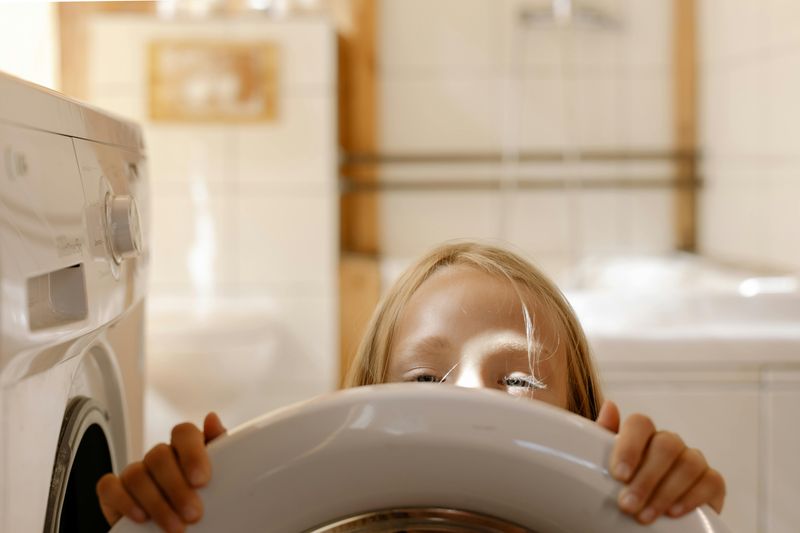
Helicopter parenting might feel protective, but it can prevent kids from developing crucial life skills.
Allowing age-appropriate independence builds confidence and competence.
Let your preschooler dress themselves, even if the outfit doesn’t match.
Allow your tween to pack their own lunch or do their own homework without hovering.
Yes, they’ll make mistakes, but that’s exactly how they learn.
Start small and gradually increase responsibilities as they show readiness.
When kids accomplish tasks on their own, they develop a sense of pride and capability.
This independence prepares them for the real world where you won’t always be there to solve every problem.
7. Offering Praise for Effort, Not Just Results
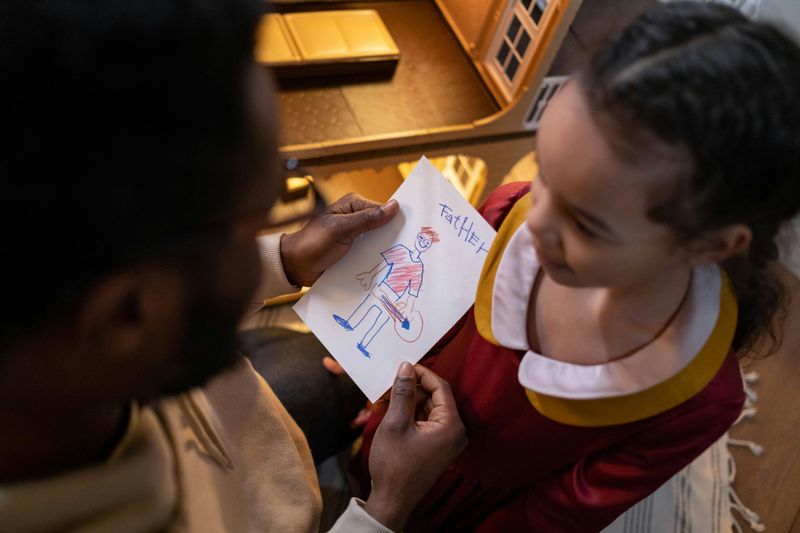
Celebrating only A’s and winning goals teaches kids that outcomes matter more than the journey.
Instead, focus on praising the hard work they put in, regardless of the final result.
Say things like, “I’m proud of how much you practiced” or “I noticed you didn’t give up even when it got tough.”
This type of encouragement builds a growth mindset where children see challenges as opportunities rather than threats.
When kids know their effort is valued, they’re more willing to try new things and persist through difficulties.
They learn that failure isn’t shameful—it’s just part of learning and getting better at something.
8. Maintaining Your Own Self-Care Routine

You can’t pour from an empty cup.
Parents who neglect their own needs often end up exhausted, resentful, and less patient with their children.
Self-care isn’t selfish—it’s essential.
Whether it’s exercising, meeting friends, pursuing a hobby, or simply taking a quiet bath, these moments recharge your batteries.
When you’re rested and fulfilled, you show up as a better, more present parent.
Schedule self-care like you would any important appointment.
Your kids benefit from seeing you value your own wellbeing, and they learn that taking care of yourself is a normal, healthy practice they should adopt too.
9. Apologizing When You Make Mistakes
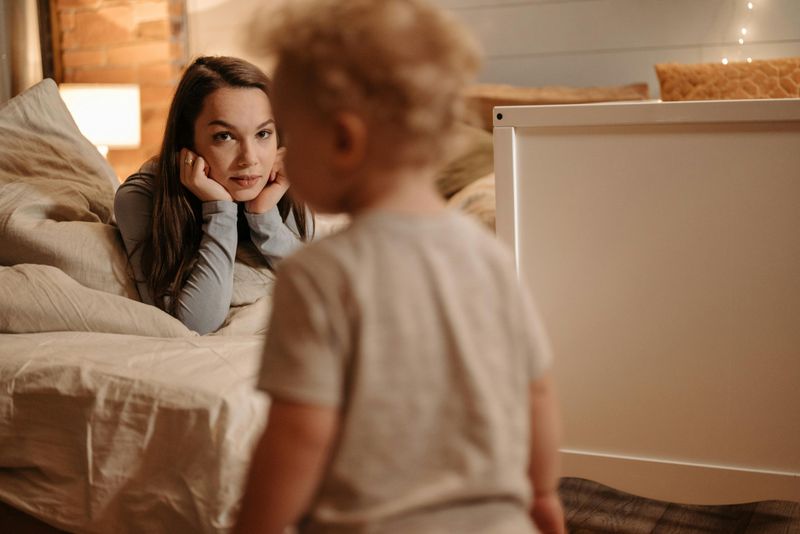
Nobody’s perfect, and pretending you are sets an impossible standard.
When you lose your temper, forget a promise, or handle something poorly, own it.
A simple, sincere apology teaches kids that everyone makes mistakes and that taking responsibility is a sign of strength, not weakness.
Say something like, “I’m sorry I yelled earlier.
I was frustrated, but that wasn’t fair to you.”
This models emotional intelligence and accountability.
Kids who see their parents apologize learn that relationships can be repaired after conflict.
They also become more willing to admit their own mistakes and make amends when they hurt others.
10. Creating Family Traditions and Rituals
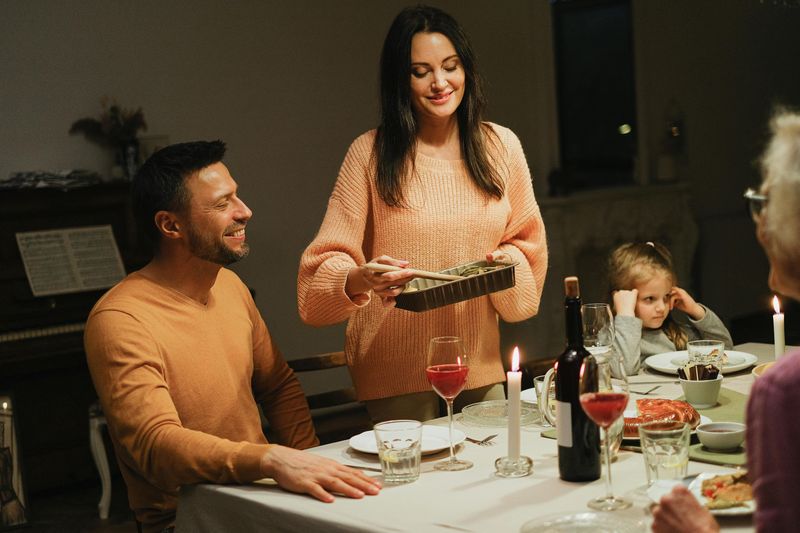
Family traditions create a sense of belonging and give kids something special to look forward to.
These don’t have to be elaborate—even simple rituals become cherished memories.
Maybe it’s pancakes every Saturday morning, a monthly game night, or a special handshake before school.
Perhaps you take an annual camping trip or have a unique way of celebrating birthdays.
These repeated experiences create family identity and strengthen bonds.
Traditions provide stability and continuity, especially during times of change or stress.
Years later, your grown children will smile remembering these special moments that made your family uniquely yours.
11. Teaching Problem-Solving Instead of Fixing Everything
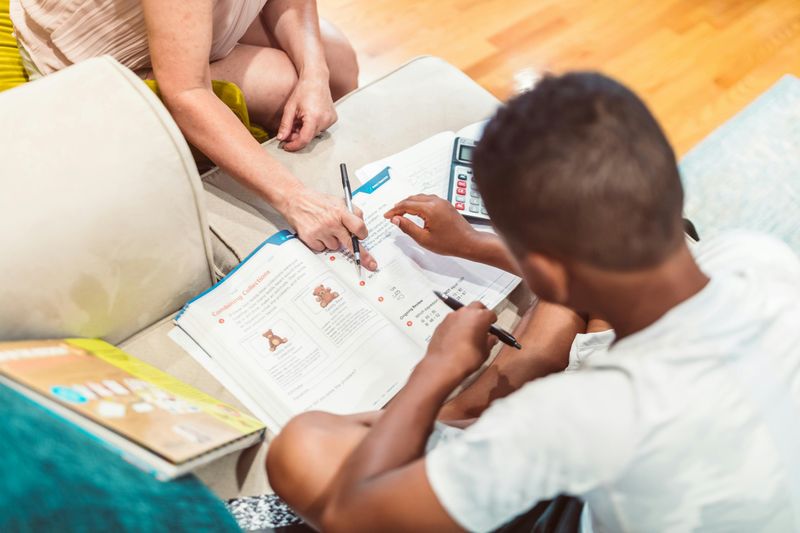
When your child faces a problem, your instinct might be to swoop in and fix it immediately.
Resist that urge.
Instead, guide them through finding their own solution.
Ask questions like, “What do you think you could try?” or “What are some options here?” Help them brainstorm possibilities and think through consequences.
This approach builds critical thinking skills and confidence.
Sure, it takes longer than just solving the problem yourself, but you’re investing in their future capability.
Kids who learn to work through challenges independently become resilient adults who can handle whatever life throws at them.
12. Expressing Love in Words and Actions Daily
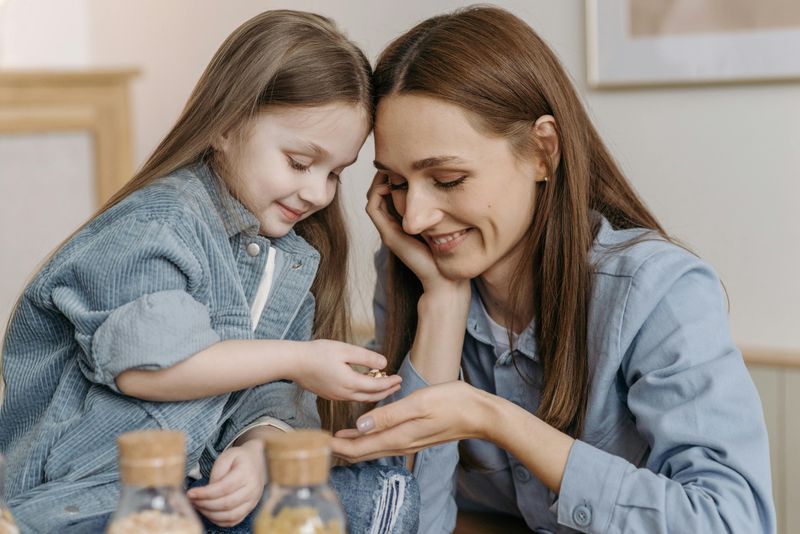
Don’t assume your kids know you love them—tell them and show them every single day.
A simple “I love you” or “I’m glad you’re my kid” goes further than you might think.
Combine words with actions: hugs, notes in their lunchbox, attending their events, or making their favorite meal.
Different kids receive love differently, so pay attention to what makes each child feel most valued.
In the chaos of daily life, these expressions can get overlooked.
Make them a priority.
Children who consistently feel loved and valued develop stronger self-esteem and healthier relationships throughout their lives.
Comments
Loading…