
 Isabel Parker
12 Life Skills Our Parents Forgot to Teach Us (But We Need Now)

Growing up, we learned to read, write, and maybe even cook a basic meal, but there are some seriously important life skills that slipped through the cracks. Nobody handed us a manual on managing money, handling stress, or setting boundaries with people we care about.
The truth is, these are the skills that shape how we live every single day. Whether you are 20, 35, or somewhere in between, it is never too late to pick them up.
1. Managing Personal Finances

Nobody handed you a roadmap for your bank account, yet here you are, adulting at full speed.
Managing personal finances means knowing where your money goes, not just where it comes from.
Budgeting, saving, and avoiding unnecessary debt are skills that can change your life dramatically.
Start simple: track every dollar for one month.
You might be shocked at how much goes toward things you barely notice.
Apps like Mint or YNAB make this surprisingly painless.
Building even a small emergency fund gives you breathing room when life throws curveballs.
Financial confidence starts with one small, intentional step at a time.
2. Setting Healthy Boundaries

Here is something nobody warned us about: saying no is actually a complete sentence.
Boundaries are invisible lines that protect your energy, your mental health, and your relationships.
Without them, resentment builds quietly until something eventually breaks.
Learning to set limits with family, friends, and coworkers is not selfish.
Think of it as drawing a map of what you need to feel respected and safe.
It takes practice, and yes, it feels awkward at first.
Start small by declining one thing this week that drains you.
Over time, you will notice your relationships becoming healthier and your stress levels dropping noticeably.
3. Basic Home Repairs
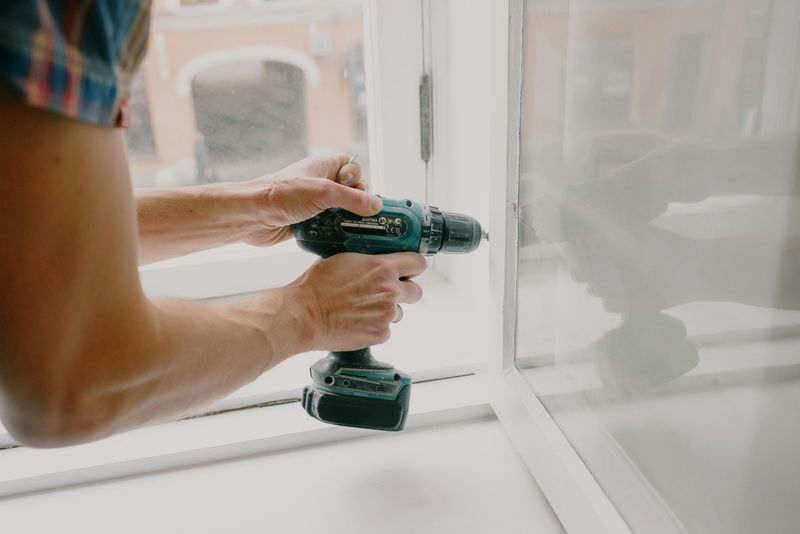
Leaky faucets do not fix themselves, and calling a plumber for every small issue adds up fast.
Knowing how to handle basic home repairs saves both money and panic.
Changing a lightbulb, unclogging a drain, or patching a small hole in drywall are skills any adult can learn.
YouTube tutorials have honestly made this easier than ever.
Spend 20 minutes watching a video before picking up a tool, and you will be surprised how capable you feel afterward.
Owning a basic toolkit is a great starting point.
A hammer, screwdrivers, pliers, and a wrench will handle most everyday household emergencies without breaking the bank.
4. Cooking Nutritious Meals

Fast food is convenient, but it cannot carry you through a healthy, energized life forever.
Knowing how to cook even five solid meals gives you power over your health, your wallet, and honestly, your mood.
Food affects everything from focus to sleep quality.
Start with simple recipes that use whole ingredients, like stir-fries, grain bowls, or homemade soups.
Meal prepping on Sundays can save you from poor choices on exhausted weekday evenings.
Cooking is also surprisingly meditative once you stop fearing it.
Treat it like a creative experiment rather than a chore, and you might actually start enjoying your time in the kitchen.
5. Emotional Regulation

Feelings are not the problem.
What we do with them can be.
Emotional regulation is the ability to recognize what you are feeling, process it without exploding, and respond rather than react.
It sounds simple, but most of us were never taught how.
Anger, anxiety, and sadness all carry information.
Instead of stuffing emotions down or lashing out, try naming what you feel.
Studies show that simply labeling an emotion reduces its intensity almost immediately.
Journaling, deep breathing, and pausing before responding are all effective tools.
Building this skill leads to calmer relationships, better decisions, and a far more peaceful inner life overall.
6. Understanding Credit Scores

A three-digit number has enormous power over your ability to rent an apartment, buy a car, or even land certain jobs.
Yet most of us graduated without ever hearing the words credit utilization or payment history explained properly.
That gap costs people real money.
Your credit score is built over time through consistent, responsible borrowing habits.
Paying bills on time and keeping your credit card balances low are two of the most impactful things you can do.
Check your score for free through sites like Credit Karma or your bank app.
Understanding where you stand is always the smartest first move toward improving it.
7. Effective Communication

Talking and communicating are two very different things.
Real communication means listening as much as speaking, choosing words thoughtfully, and making sure the other person actually feels heard.
Most conflicts in life stem from communication that went sideways somewhere.
Practice active listening by putting your phone down and making eye contact.
Reflect back what someone said before jumping to your response.
This tiny habit transforms conversations in ways most people do not expect.
Whether at work, at home, or in friendships, clear and kind communication opens doors.
It is a skill worth sharpening constantly, because every relationship in your life depends on it.
8. Time Management

Ever wonder where the entire day went?
Time management is not about squeezing more tasks into every hour.
It is about spending your hours on what actually matters to you, rather than just reacting to whatever comes up first.
Prioritizing tasks using a simple system, like writing down your top three goals for the day, can completely shift your productivity.
The Pomodoro Technique, working in 25-minute focused blocks, is another crowd favorite that really delivers results.
Protecting your time also means learning to say no to distractions and low-priority demands.
Your schedule is a reflection of your values, so make sure it actually shows them.
9. Navigating Mental Health

For a long time, struggling mentally was something people whispered about or pushed aside entirely.
That silence did a lot of damage.
Understanding your mental health, knowing when you need support, and actually seeking it out is one of the most courageous life skills you can develop.
Therapy is not just for crisis moments.
Regular check-ins with a counselor can help you process everyday stress before it piles into something overwhelming.
Many affordable options now exist online.
Learning your personal warning signs, like disrupted sleep, irritability, or withdrawal, helps you catch burnout early.
Mental wellness is not a destination; it is an ongoing, worthwhile practice that deserves your attention.
10. Critical Thinking

We live in an era of information overload, which means the ability to think critically has never mattered more.
Every day you are bombarded with headlines, opinions, and social media posts designed to trigger a reaction before your brain has a chance to catch up.
Critical thinking means pausing to ask: Who made this claim?
What evidence supports it?
Could there be another explanation?
These questions are not cynical; they are protective.
Practice by fact-checking one news story per week using reliable sources.
Over time, you will notice yourself becoming harder to mislead and much more confident in forming your own well-reasoned, informed opinions.
11. Building and Maintaining Relationships

Friendships in adulthood do not maintain themselves the way they seemed to in school.
Without shared hallways and lunch breaks, staying connected takes intentional effort.
Many people hit their 30s feeling quietly isolated and are not sure how that happened.
Reaching out first, even with a simple text, matters more than you think.
Scheduling regular catch-ups, showing up during hard times, and being genuinely curious about the people you care about all strengthen bonds over time.
Quality beats quantity every single time.
A few deeply trusted relationships offer far more support and joy than a crowded contact list of people you barely know anymore.
12. Knowing When to Ask for Help
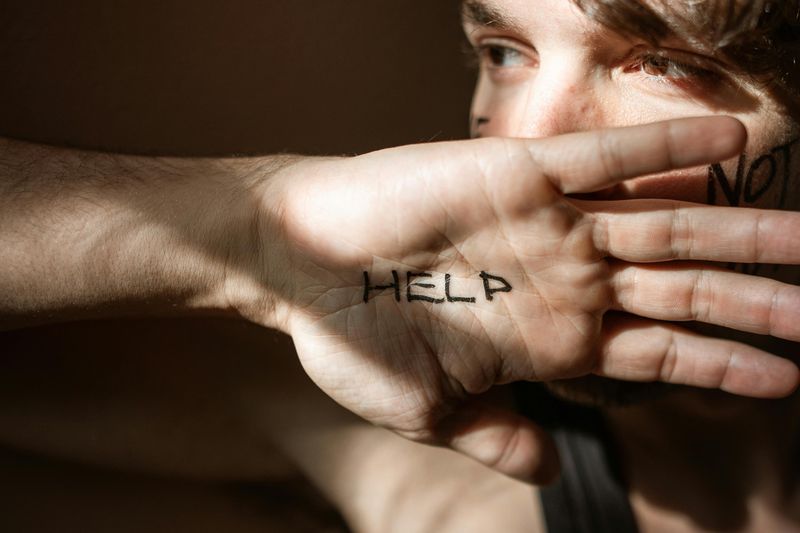
Somewhere along the way, many of us got the message that needing help was a sign of weakness.
That belief quietly leads to burnout, isolation, and problems that spiral far longer than they needed to.
Unlearning it might be the most freeing thing you ever do.
Asking for help is actually a sign of self-awareness and strength.
It means you understand your limits and respect your own wellbeing enough to act on them.
Nobody succeeds entirely alone, and that is not a flaw.
Whether it is asking a colleague for guidance, leaning on a friend, or hiring a professional, reaching out shortens the hard road considerably.
You do not have to figure everything out by yourself.
Comments
Loading…