
 Hailey Watson
10 Ways Fathers Quietly Prepare Their Kids for the World
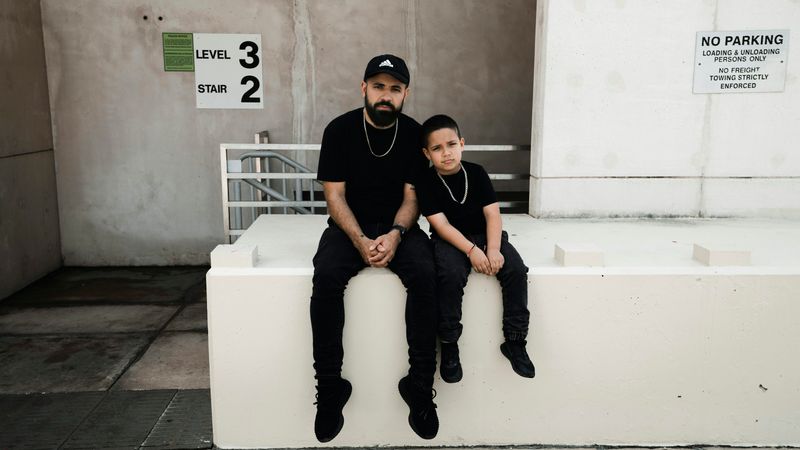
Fathers shape their children’s futures in ways that often go unnoticed.
Through small, everyday actions, they build character, teach resilience, and pass down wisdom that lasts a lifetime.
These quiet moments of guidance prepare kids to face challenges, make good decisions, and grow into confident adults ready to take on the world.
1. Modeling Respect and Integrity
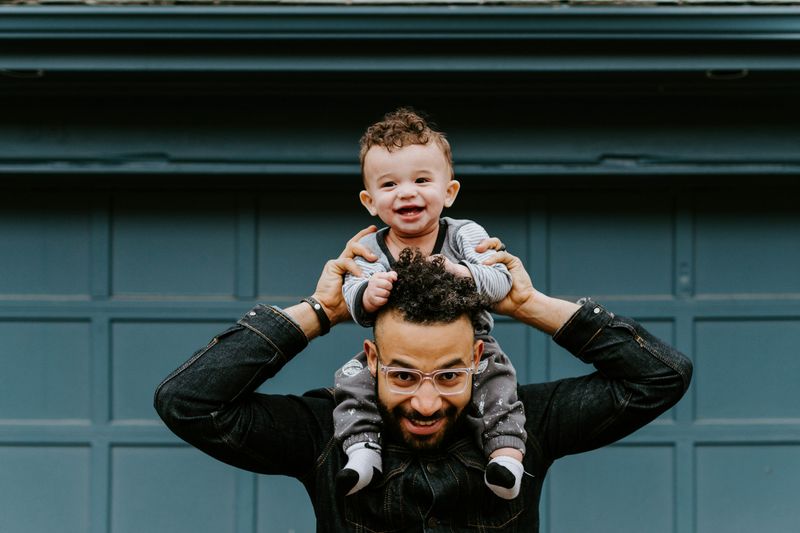
Actions speak louder than words, especially when dads treat everyone around them with kindness and honesty.
Children watch how their fathers interact with waiters, neighbors, and even strangers on the street.
When dads show respect consistently, kids learn that treating people well isn’t optional—it’s essential.
They absorb these lessons without lectures or long talks.
A father who admits mistakes and apologizes when wrong teaches powerful lessons about integrity.
Kids learn that being truthful matters more than being perfect, and that real strength includes admitting when you’re wrong.
2. Teaching Emotional Regulation

Big feelings can overwhelm anyone, but dads who stay calm during stressful moments teach their kids invaluable coping skills.
Whether it’s a flat tire or a disappointing game, how fathers handle frustration becomes a blueprint for their children.
Talking about emotions openly removes the stigma around feelings.
When dads say they’re feeling frustrated or sad, kids learn that emotions are normal and manageable.
Breathing exercises, taking walks, or counting to ten might seem simple, but these strategies stick with children for decades.
Emotional intelligence built in childhood creates adults who navigate life’s ups and downs with grace.
3. Encouraging Independence and Responsibility

Handing over age-appropriate tasks shows kids that their contributions matter.
A six-year-old setting the table or a teenager managing their own laundry schedule learns that families function through shared effort.
Fathers who resist the urge to fix every problem create space for growth.
Letting children struggle a bit with homework or friendship issues builds problem-solving muscles they’ll use forever.
Trust grows when dads allow kids to make choices, even small ones like picking their clothes or planning a weekend activity.
These decisions teach children to think independently and accept the consequences of their choices.
4. Instilling a Strong Work Ethic

Did you know that children who observe their parents working hard are more likely to develop perseverance?
Fathers who take pride in their work, whether it’s a career or household projects, demonstrate that effort matters.
Finishing what you start sends a powerful message.
When dads complete home repairs, work through challenges, or pursue goals despite setbacks, kids absorb the value of persistence.
Celebrating effort over results shifts focus to the journey rather than just the destination.
A father praising his child’s dedication to practice, not just the winning goal, teaches that consistent work builds success over time.
5. Promoting Financial Literacy
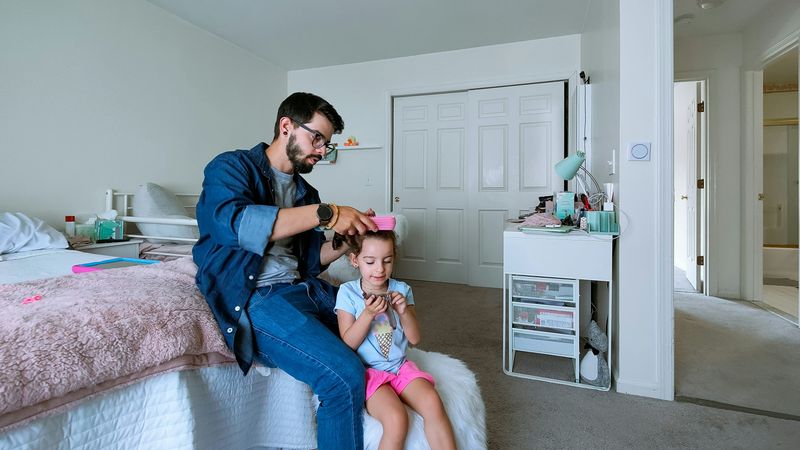
Money conversations shouldn’t be mysterious or scary.
Fathers who include kids in discussions about budgeting, saving for goals, or comparing prices at the store demystify financial decisions.
Opening a savings account together or explaining how credit cards work prepares children for real-world money management.
These practical lessons prevent costly mistakes later in life.
Modeling wise spending habits—choosing quality over impulse purchases or discussing needs versus wants—shapes how children view money.
Kids who understand that financial security comes from smart choices grow into adults who make thoughtful financial decisions and avoid unnecessary debt.
6. Sharing Practical Life Skills

Knowing how to cook a simple meal, change a tire, or fix a leaky faucet builds confidence for adulthood.
Fathers who involve their kids in everyday tasks pass down knowledge that textbooks can’t teach.
These hands-on lessons create bonding moments while building competence.
A child who helps dad with basic car maintenance or learns to use tools properly gains skills that last forever.
Even simple things like showing kids how to do laundry properly or organize their space teaches self-sufficiency.
When children leave home knowing these basics, they navigate independence with less stress and more success.
7. Encouraging Curiosity and Lifelong Learning

A father who reads books, explores new hobbies, or asks questions about how things work plants seeds of curiosity in his children.
Learning becomes exciting rather than a chore when modeled with enthusiasm.
Visiting museums, watching documentaries together, or simply wondering aloud about the world shows kids that education extends far beyond school.
These experiences create curious minds that never stop growing.
Admitting when you don’t know something, then finding the answer together, teaches powerful research skills.
Children learn that not knowing is simply an opportunity to discover, and that asking questions shows intelligence, not ignorance.
8. Demonstrating Emotional Openness

With a willingness to share feelings honestly, fathers break down walls that tell boys especially that emotions are weakness.
Dads who cry at movies or talk about feeling nervous before big events normalize the full range of human experience.
Discussing challenges openly—whether it’s stress at work or worry about family—teaches children that everyone struggles sometimes.
This honesty creates safe spaces for kids to share their own difficulties.
Vulnerability strengthens relationships rather than weakening them.
When fathers show their authentic selves, children learn that real connection comes from honesty, and that expressing feelings builds stronger bonds with the people who matter most.
9. Setting Boundaries and Enforcing Discipline

Clear rules provide security, not restriction.
Children actually thrive when they understand expectations and consequences, knowing their father cares enough to guide their behavior with consistency.
Discipline delivered with love and explanation teaches accountability rather than fear.
When dads enforce rules fairly and explain the reasons behind them, kids learn that boundaries exist to help, not punish.
Following through on consequences, even when it’s inconvenient, shows children that actions have real results.
This preparation for the real world, where choices carry weight, helps kids develop self-control and understand that responsibility matters in every aspect of life.
10. Being Present and Engaged

Phones down, eyes up—nothing replaces undivided attention.
Fathers who truly listen when their kids talk, who attend games and recitals, who make time for one-on-one moments create memories that anchor children through difficult times.
Quality matters more than quantity, but consistency matters most.
Regular traditions like weekend pancakes or evening walks build connection through reliable presence.
Being physically present but mentally elsewhere doesn’t count.
When dads engage fully in play, conversations, and daily routines, children feel valued and important.
This foundation of security gives kids the confidence to explore the world, knowing they have a safe home base.
Comments
Loading…