
 Isabel Parker
10 Things That Reveal You Were Neglected Growing Up
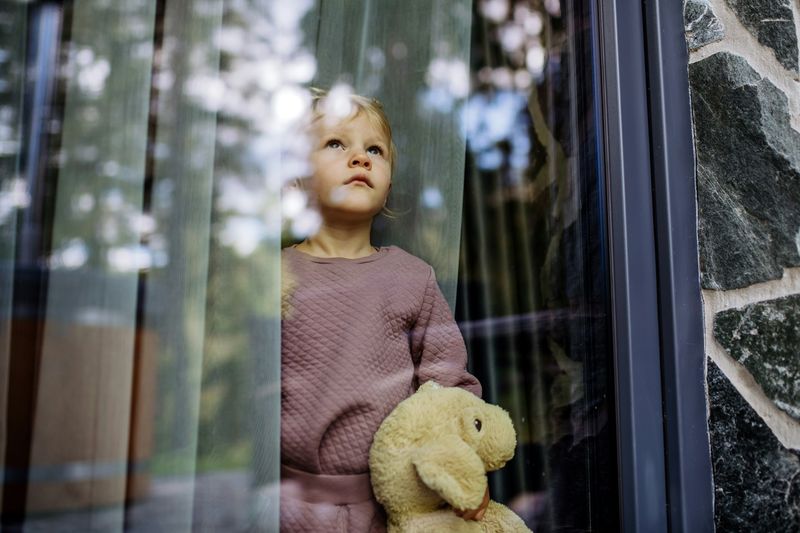
Growing up, most kids expect to feel safe, loved, and heard by the people around them. But for many children, that simply was not the reality. Emotional and physical neglect can leave deep marks that follow a person well into adulthood, often without them even realizing where those feelings come from.
If any of the following signs feel familiar, know that you are not alone and that understanding your past is the first step toward healing.
1. You Struggle to Ask for Help

Somewhere along the way, you learned that asking for help was pointless.
Maybe nobody came when you called, or your needs were brushed aside so many times that you stopped trying altogether.
That kind of early experience teaches a painful lesson: rely only on yourself.
As an adult, this can look like refusing help even when you are clearly drowning.
Friends offer support and you say “I’m fine” even when you are not.
Therapists call this self-reliance armor, and while it kept you safe as a child, it can quietly isolate you as a grown-up.
2. Emotional Numbness Feels Normal to You

Not everyone who was neglected grew up crying.
Some people grew up feeling almost nothing at all.
When a child’s emotions are repeatedly ignored or dismissed, the brain learns to shut those feelings down as a protective measure.
You might notice that you rarely feel excited, sad, or even angry about things that clearly affect other people.
It can feel like watching your own life through a foggy window.
Emotional numbness is not a personality trait you were born with.
More often, it is a coping skill your younger self developed just to get through the day.
3. You Have a Hard Time Trusting People

Trust does not come easy when the people who were supposed to protect you let you down.
Neglect teaches children early that caregivers are unreliable, and that lesson tends to stick around long after childhood ends.
As a result, you might find yourself waiting for people to disappoint you, even the good ones.
Relationships can feel like a constant balancing act between wanting connection and fearing betrayal.
Recognizing this pattern is genuinely powerful.
It does not mean you are broken; it means your brain is still running an old safety program that no longer serves you the way it once did.
4. Low Self-Worth Follows You Everywhere

Here is something most people do not talk about enough: neglect does not just hurt in the moment.
It quietly shapes how a child sees their own value.
When no one celebrates your wins or comforts your losses, you start to wonder if you matter at all.
That inner voice that says “I am not good enough” or “Why would anyone choose me?” often traces back to years of feeling invisible.
Low self-worth is one of the most common long-term effects of childhood neglect.
The good news is that self-worth can absolutely be rebuilt with time, support, and self-compassion.
5. You Overly People-Please Without Thinking

People-pleasing sounds harmless on the surface, but it often has painful roots.
Children who were neglected sometimes learned that the only way to get attention or avoid conflict was to make everyone else happy first, even at their own expense.
Fast forward to adulthood, and saying “no” can feel almost physically impossible.
You say yes to things you hate, apologize when you have done nothing wrong, and constantly mold yourself to fit what others want.
Sound familiar?
Many people do not realize this behavior is a trauma response.
Understanding where it comes from is the first real step toward setting healthier boundaries.
6. Chronic Loneliness Even in a Crowd

Loneliness is not always about being physically alone.
Some of the loneliest people in the world are surrounded by others every single day.
For those who grew up feeling unseen at home, that hollow feeling can become the background noise of life.
You might have plenty of acquaintances but feel like no one truly knows you.
Social events can leave you feeling more empty than fulfilled.
This kind of deep loneliness often develops when a child’s emotional needs go unmet for years.
The brain essentially forgets what genuine connection feels like, making it harder to recognize and hold onto it later in life.
7. You Feel Responsible for Everyone Else’s Emotions

Did you grow up feeling like it was your job to keep the peace at home?
Many children raised in neglectful environments become hyper-aware of the moods of the adults around them.
Survival often depended on reading the room correctly.
That habit does not just disappear when you grow up.
Adults who experienced this often feel guilty when someone around them is upset, even when they had absolutely nothing to do with it.
Carrying other people’s emotions like a backpack is exhausting.
Learning that you are not responsible for how others feel is one of the most freeing realizations you can ever have.
8. Difficulty Remembering Much of Your Childhood
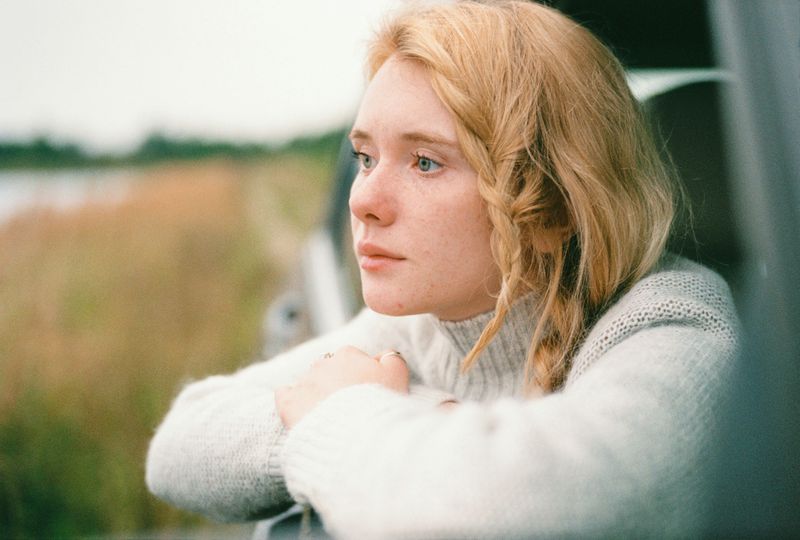
“I just don’t remember much from when I was little” is something neglected adults say surprisingly often.
While some childhood memory gaps are normal, large blank spots can sometimes point to something deeper.
The brain protects itself from painful experiences by burying them.
If your childhood feels like a fuzzy blur with only scattered moments you can actually recall, that is worth paying attention to.
It does not necessarily mean something dramatic happened.
Sometimes the absence of warmth, attention, and connection is painful enough for the mind to quietly file it away.
Therapy can be a helpful and safe way to gently explore those gaps.
9. You Default to Self-Sabotage When Things Go Well

Good things happening can actually feel terrifying when you grew up waiting for the other shoe to drop.
Neglect creates a nervous system that is wired for chaos, not calm.
So when life gets stable or happy, something inside quietly panics.
Self-sabotage shows up in sneaky ways: pushing away people who genuinely care, quitting jobs right before a big success, or creating drama when everything is going smoothly.
It is not weakness or stupidity.
It is a nervous system that never learned how to feel safe when things are okay.
Recognizing this pattern is honestly one of the most courageous things you can do for yourself.
10. An Intense Fear of Abandonment

Few fears run deeper than the terror of being left behind.
For children who were neglected, abandonment was not just a fear.
In many ways, it was already happening every single day, even if their caregiver was physically present.
That unresolved fear can follow someone into every relationship they ever have.
You might cling too tightly, panic when a friend does not text back quickly, or end relationships yourself before the other person gets the chance to leave first.
Recognizing abandonment fear as a wound rather than a character flaw opens the door to real healing.
You deserve relationships where staying feels safe and natural.
Comments
Loading…